Blog

All Ford Dealership
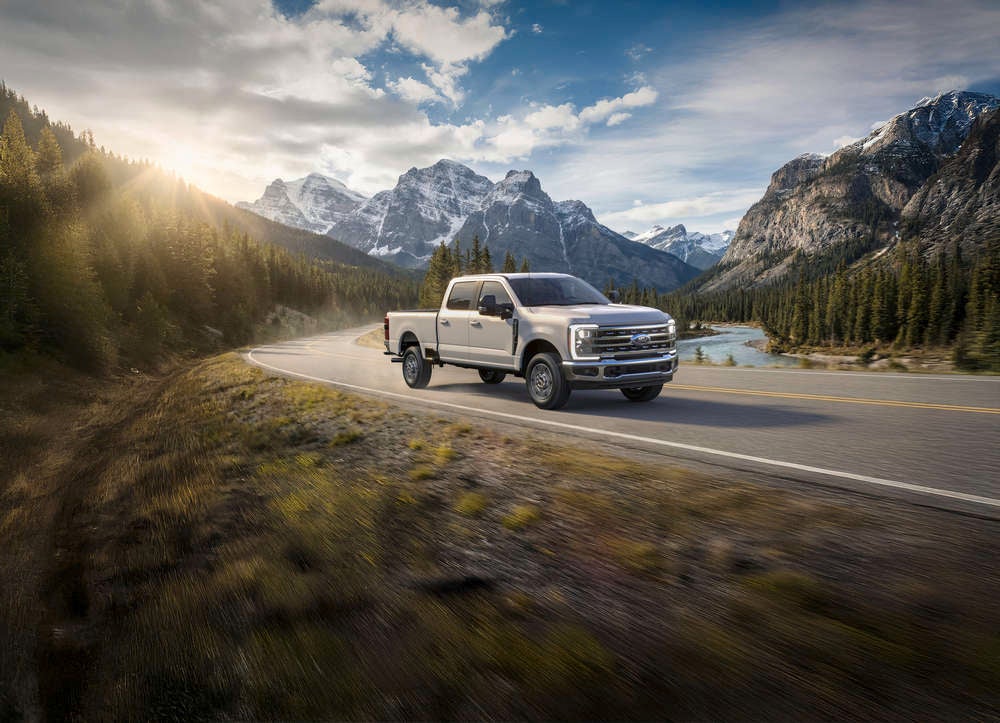
F-350 Chassis Cab
in Ford Dealership

Commercial Ford Trucks: Selecting a Chassis Cab for Your Business

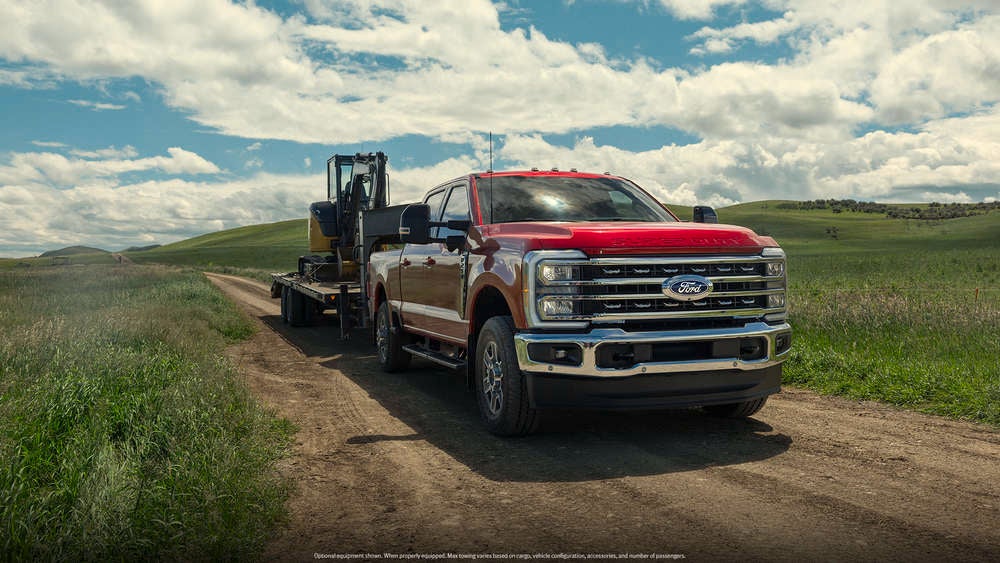
How to Choose a Ford Chassis Cab for Your Business The right Ford chassis cab starts with the work the finished truck needs to do. Before choosing a model, think about the body being installed, expected payload, towing needs, crew size, jobsite conditions, wheelbase requirements, and the GVWR range that fits the completed vehicle. For businesses in Sealy and along the I-10 corridor west of Houston, that can lead to very different answers. A service company, contractor, ranch operation, delivery business, and towing-related operation may all need very different chassis, cab, and upfit combinations. That is why the best place to start is the completed work truck, not just the badge on the front fender. If you want to compare current options, start with Ryan Ford’s new commercial inventory, then review the broader market through the used inventory. If you are replacing an existing work truck, Ryan Ford also offers a trade appraisal, and businesses planning their next purchase can begin with the online finance application. Specifications, pricing, availability, equipment, body compatibility, and final ratings can vary by model year, trim, engine, drivetrain, wheelbase, upfit, axle ratio, and configuration, so confirm details for the specific vehicle with Ryan Ford and Ford before making a decision. Which Ford Chassis Cab Models Should You Compare? Ford’s current chassis cab lineup gives commercial buyers several classes to compare. In the 2026 model year, Ford offers Super Duty Chassis Cab models in F-350, F-450, F-550, and F-600 form. Ford inventory and model resources also show XL and XLT trims across the lineup, depending on the model. A practical starting point looks like this: Model Applications & Considerations F-350 Chassis Cab • Good place to start for lighter commercial upfits • Often worth comparing for service-body, utility-body, flatbed, and contractor applications • Final suitability still depends on cab style, engine, drivetrain, wheelbase, and GVWR configuration F-450 Chassis Cab • Worth comparing for heavier-duty service and towing-focused commercial use • Can make sense when the body, trailer, or work equipment demands more than a lighter chassis F-550 Chassis Cab • Often researched for dump, utility, towing, and larger vocational-body needs • Should be matched carefully to upfit weight and axle needs F-600 Chassis Cab • Designed for heavier commercial applications • Worth comparing when body weight, equipment, and duty cycle move beyond lighter setups If you want to review Ford’s current chassis-cab lineup before narrowing your search, it helps to compare the 2026 Super Duty model information, the 2026 Super Duty Chassis Cab towing guide, and the 2026 Ford RV and Trailer Towing Guide. Why Does the Completed Truck Matter More Than the Chassis Alone? A chassis cab is only the starting point. Once a body, tools, mounted equipment, passengers, fuel, accessories, and trailer-related loads are added, the truck’s real-world needs can change quickly. That is why commercial buyers should focus on: The intended body type Installed body weight Tool and cargo weight Passenger count Trailer type and loaded trailer weight Route conditions and worksite access A service body filled with tools can change available payload. So can liftgates, compressors, ladder racks, tanks, winches, drawers, and other equipment. Trailer tongue weight also matters if the truck will tow. How Should You Think About GVWR, Payload, and Towing? GVWR means Gross Vehicle Weight Rating. It is the maximum allowed weight of the truck itself plus the body, fuel, passengers, tools, cargo, and installed equipment. Payload is what remains after the vehicle’s weight is accounted for. GCWR refers to the combined weight of the loaded truck and loaded trailer. For chassis-cab buyers, these terms are not abstract. They shape whether the completed truck actually fits the work. A few reminders matter here: A higher chassis class does not remove the need to calculate finished weight Axle ratings still matter after the body and equipment are installed Towing ratings must match the exact truck and its equipment Upfit weight can reduce available payload quickly Ford’s towing information should be read as configuration-specific guidance, not a blanket promise for every truck in the lineup. Cab style, engine, axle ratio, drivetrain, wheelbase, hitch equipment, and body weight all affect the final answer. How Do Cab, Wheelbase, and Upfit Planning Work Together? Cab choice affects more than seating. A Regular Cab may leave more room for body length. A SuperCab or Crew Cab may better suit a team that travels together. The right answer depends on how the truck will be used during a normal workweek. Wheelbase and cab-to-axle measurements are just as important. A flatbed, service body, dump body, enclosed body, or tow body has to fit the chassis correctly. The upfit provider’s requirements matter as much as Ford’s base chassis information. Before narrowing your search, it helps to bring a simple work-truck outline: Intended body type Estimated installed body weight Tools, equipment, and cargo weight Passenger count Expected trailer weight Space needs for turning, parking, and jobsite access Future equipment plans if the business may grow into a heavier setup That preparation usually leads to a better commercial-truck decision than starting with a model name alone. What Powertrain and Worksite Features Should You Compare? Powertrain choice should support the work, not just the highest output figure. A truck that tows regularly, idles often, or carries heavy equipment all day may need a different setup than one used for lighter service calls or shorter local routes. Commercial buyers should compare: Engine availability for the specific chassis Drivetrain configuration PTO-related needs, if applicable Transmission and equipment compatibility Towing-related technology that may support daily work Available driver-assistance and towing-related systems are designed to assist the driver, but they do not replace attentive driving, proper loading, maintenance, or safe worksite practices. Can Service Planning Affect the Right Chassis-Cab Choice? Yes. Choosing the right work truck is also about how it will be maintained over time. A truck that fits your workload more closely can be easier to keep on schedule for routine service, inspections, and tire or brake wear management. If service convenience matters to your business, Ryan Ford also offers online service scheduling, Ford Mobile Service, and Ford Pickup & Delivery for participating service visits. Find a Chassis Cab That Fits Your Work Browse commercial Ford trucks in Sealy, Texas to compare Ford models and begin narrowing down the right starting point for your operation. At Ryan Ford, our team can help you consider the vehicle details that matter for your planned upfit and daily demands. For help with your next steps, contact us to discuss your needs. Please confirm specifications, equipment, pricing, and availability for the specific vehicle before making a decision. Frequently Asked Questions What Is the Difference Between a Chassis Cab and a Pickup Truck? A pickup usually includes a factory cargo bed. A chassis cab is designed to receive a vocational body or specialized commercial equipment. How Do I Know Which GVWR My Business Needs? Start with the completed vehicle weight, not the empty chassis. Include the body, tools, cargo, fuel, passengers, accessories, and expected trailer-related loads. Can a Chassis Cab Be Used for Towing and Carrying Equipment? Many chassis-cab configurations can be equipped for both, but ratings vary significantly by engine, cab, drivetrain, axle ratio, wheelbase, body weight, and installed equipment. Should I Choose the Upfit Before Choosing the Truck? Yes. The intended body and equipment should be identified early because cab-to-axle length, wheelbase, GVWR, axle ratings, and equipment needs can all affect which chassis is appropriate.

Read More
Ford SUV

Bridgestone Tire Fitment for Ford Trucks and SUVs

How to Choose Bridgestone Tires for Ford Vehicles If you are shopping for replacement Bridgestone tires for your Ford in Sealy, the right starting point is your specific vehicle, not just the model name. The correct tire should match the recommended size, load-carrying requirements, speed rating, and other fitment details listed for your exact Ford. A tire that fits the wheel physically is not automatically the right tire for the vehicle. For Ford trucks and SUVs, that matters because tire requirements can change by model year, trim, drivetrain, wheel size, cab, bed, package, and factory equipment. An F-150 XLT, Bronco Big Bend®, Explorer Active, Ranger XLT, or Super Duty XL may all require different tire specifications depending on how each vehicle was built. Before purchasing or installing replacement tires, confirm details for your specific Ford with Ryan Ford and applicable Ford owner documentation. Where Should You Start When Choosing Replacement Tires? Start with the information already on your vehicle. Ford owners should check the driver-side Tire and Loading Information label and the applicable owner documentation for the vehicle they actually drive. That is usually more useful than relying on a generic online size listing. Before comparing replacement tires, gather: Your Ford model year, model, and trim The tire size shown on the vehicle label Your current wheel diameter Whether you tow, haul, commute, or drive off pavement Any concerns such as uneven wear, vibration, or pressure loss If you want to begin your search locally, Ryan Ford offers a tire finder along with online service scheduling for tire-related appointments. What Tire Specifications Matter Most? Choosing the right replacement tire is about more than diameter. Tire size markings identify important details such as width, aspect ratio, construction type, wheel diameter, load index, and speed rating. These specifications work together. That is why Ford owners should not assume that a larger or different tire is automatically appropriate just because it can be mounted. A replacement tire should support the vehicle’s intended operation and match the needs of the specific configuration. A size or fitment change may affect: Speedometer readings Clearance around suspension or body components Ride quality and steering feel Braking and handling behavior Tire wear and compatibility with vehicle systems For Ford owners who want to review official owner materials, the Ford owner manuals and guides can help you look up model-specific information before you choose a replacement tire. How Does Driving Use Affect the Right Tire Choice? The right Bridgestone tire for a daily-driven Explorer may not be the right one for an F-150 that tows regularly or a Bronco that sees occasional unpaved roads. Tire choice should reflect how the vehicle is actually used. A Ford Escape or Explorer used mainly for commuting and family travel may place more emphasis on ride comfort, road manners, and predictable wet-road behavior. A Ranger or F-150 that sees more work use may require closer attention to load-carrying needs and tire condition under heavier use. A Super Duty used for jobsite duty or towing should be evaluated even more carefully because tire specifications play a role in supporting the truck’s intended workload. When comparing tire options, think about: Daily highway or city driving Frequent towing or hauling Passenger and cargo loads Light off-pavement use Noise, ride comfort, and tread preferences No single replacement tire is right for every Ford owner. The goal is to match the tire to the vehicle’s published requirements and your normal driving routine. Can Replacement Tires Change Towing or Payload Ratings? No. Replacement tires do not increase a Ford truck’s published towing, payload, GVWR, or GCWR ratings. Those ratings remain tied to the exact vehicle configuration and equipment. That is important for trucks like the F-150, Ranger, and Super Duty. Capability can vary by cab, bed, drivetrain, engine, axle ratio, trim, and package. Tires play an important supporting role, but they do not replace correct loading, proper trailer setup, or the vehicle’s published limits. Before towing or hauling, tire-related checks should include: Cold inflation pressure Tread condition across all tires Cuts, bulges, or sidewall damage Correct tire specifications and load requirements Uneven wear that may point to alignment or balancing concerns If your Ford is used for towing or heavier-duty work, Ryan Ford also offers Ford Mobile Service for certain maintenance needs and Ford Pickup & Delivery for participating service visits. When Should You Schedule Tire Service? A professional inspection makes sense when a tire issue shows up before you buy replacements. Uneven tread wear, vibration, pulling, repeated pressure loss, sidewall damage, or a tire-pressure warning may point to something beyond normal wear. These concerns can involve: Tire pressure Wheel condition Balancing Alignment Suspension wear Road-impact damage Routine tire care matters, too. Ryan Ford’s service team can help with tire selection and installation, and owners should follow the maintenance schedule in the owner’s manual for vehicle-specific service intervals. Ryan Ford also offers tire-related service support through current service and parts specials and its tire-care service options. Why Does a Vehicle Inspection Help Before Replacing Tires? An inspection can help separate a tire problem from a suspension or alignment problem. Replacing one worn or damaged tire may not solve the full issue if the vehicle has an underlying condition affecting tire wear. That is especially helpful for Ford owners who have: Frequent highway miles Recent towing or hauling use A vibration at speed Uneven wear across the tread Concerns after a pothole or road impact If you bring your model year, trim, current tire size, and a clear description of how you use the vehicle, the final recommendation can stay focused on fitment, condition, and everyday needs rather than guesswork. Find Tires That Match Your Ford Use our tool to narrow down Bridgestone tires in Sealy, TX for your truck or SUV. Ryan Ford can help you compare tire choices based on your vehicle’s recommended sizing and everyday driving needs. For questions about fitment or next steps, contact us and our team will be glad to help. Frequently Asked Questions Can I Choose Tires Based Only on the Size Printed on the Sidewall? Not always. The current tire size is useful, but the right replacement should still match the vehicle’s recommended specifications and intended use. Do Bigger Tires Automatically Improve Capability? No. A larger tire may change clearance, handling, wear, or system behavior, and it does not increase the vehicle’s published towing or payload ratings. Should I Have My Ford Inspected Before Buying New Tires? If you have uneven wear, vibration, pulling, or repeated pressure loss, an inspection is a smart step before replacing tires. Can Ryan Ford Help With Tire Service Beyond Installation? Yes. Ryan Ford offers tire-related service support, online scheduling, and certain mobile and pickup-and-delivery service options depending on the visit.
Warning Lights

How Ford Repair Shops Diagnose Intermittent Warning Lights

What Causes Intermittent Ford Warning Lights? An intermittent warning light can be harder to diagnose because the condition may not be active when your Ford arrives for service. A warning light that turns off does not always mean the concern is gone. Depending on the model year, system, and fault involved, related information may still remain stored, pending, or available through vehicle data. For drivers in Sealy and along the I-10 corridor west of Houston, the best next step is usually to document what happened and have the vehicle inspected before the pattern becomes harder to trace. Ryan Ford offers online service scheduling, and Ford owners can also review model-specific indicator guidance through the Ford owner manuals and guides. Repair needs, recommended procedures, and warning-light behavior can vary by model year, trim, package, powertrain, and configuration, so confirm details for your specific Ford during the diagnostic process. Why Is a Code Scan Only the Starting Point? A diagnostic trouble code can point a technician toward the system or circuit that noticed a concern, but it does not automatically identify the final repair. In some cases, the code may lead to a sensor issue. In others, it may point toward wiring, battery voltage, charging-system behavior, fluid level, communication faults, or another related component. That is why a proper diagnosis usually includes more than plugging in a scan tool. It helps to compare the stored information with what the vehicle is doing now and with the symptoms the driver noticed when the warning appeared. Information that may help includes: Stored or pending codes Dashboard messages or symbols Vehicle operating conditions when the alert appeared Recent repairs or maintenance Changes in starting, driving, charging, or braking behavior What Helps Recreate an Intermittent Warning-Light Problem? Intermittent issues are often diagnosed more effectively when the conditions around the fault are documented clearly. Temperature, speed, engine load, time since startup, road conditions, and accessory use can all help reveal a pattern. If it is safe to do so, a photo of the warning light or message can be useful. The exact wording or symbol may matter, especially if the alert is no longer active when the vehicle reaches the service drive. Context can also help, including whether the issue appeared after: A battery replacement A hard start or no-start event Recent maintenance or repair work Aftermarket accessory installation Long vehicle storage A new sound, smell, vibration, or performance change These details are clues, not automatic causes. They simply make it easier to narrow the diagnostic path. What Might Be Inspected During Diagnosis? The answer depends on the exact warning and how the vehicle is behaving. An engine-related alert may call for scan-tool data review and component testing. A brake or ABS message may lead to inspection of the related system and wiring. A battery or charging alert may require testing of battery condition and charging-system operation. Depending on the concern, diagnosis may include: Visual inspection of wiring, connectors, and related components Battery and charging-system evaluation Fluid-level checks where applicable Scan-tool data review Vehicle-specific testing based on Ford service information Resetting a light only to hide the symptom does not fix the reason it appeared. The next step depends on the stored information, inspection results, and the exact Ford involved. When Should You Schedule Service for an Intermittent Warning Light? You should not assume the issue is permanently resolved just because the light went away. Ryan Ford’s service resources note that warning lights, service messages, starting issues, noises, vibrations, and other changes in how the vehicle operates are reasons to have the vehicle checked. If you need service support in Sealy, Ryan Ford offers service and parts specials, Ford Mobile Service for certain maintenance needs, and Ford Pickup & Delivery for participating service visits. A prompt inspection is especially important if: The warning returns The vehicle drives differently Starting becomes inconsistent Braking, steering, or charging behavior changes Multiple warning lights appear together What Details Should You Bring to a Service Visit? A clear description can make intermittent electrical or warning-light concerns easier to diagnose. If it is safe, bring a photo of the dashboard alert. It also helps to note when the light first appeared, how often it returns, and whether the vehicle felt different at the time. Useful details include: The exact warning symbol or message Whether the engine was cold or warm Whether the issue happened while idling, accelerating, braking, or cruising Any recent service or battery replacement New noises, smells, or changes in performance The more specific the information, the easier it may be to identify a repeatable pattern. Get Clear Answers for Your Ford When an alert needs attention, our team can help you take the next practical step. Connect with the Ryan Ford service team in Sealy, TX to discuss the warning light and the information you have noticed. At Ryan Ford, we can also help you identify the appropriate parts for your Ford. If you have questions before moving forward, contact us today. Questions Sealy Drivers Often Ask Can I Keep Driving If an Intermittent Warning Light Turns Off? That depends on the specific light, message, and how the vehicle is operating. If the warning returns or the vehicle behaves differently, prompt inspection is a good idea. Why Did My Check Engine Light Disappear on Its Own? The vehicle may no longer detect the condition at that moment. Diagnostic information may still be stored, so the issue should not automatically be treated as resolved. Will a Diagnostic Test Tell Me Exactly What Needs To Be Replaced? Not always from the first scan alone. Codes and data guide the diagnosis, but inspection and testing are still used to confirm the underlying cause. Should I Clear the Warning Light Before Service? When possible, it is better to preserve the available information. Clearing codes before diagnosis can make an intermittent pattern harder to trace. How Long Does Intermittent Warning-Light Diagnosis Take? Timing varies based on the warning, whether the issue can be duplicated, and what testing the vehicle requires. A careful diagnosis is focused on finding the reason for the alert, not simply turning the light off.

F-150

F-150 Vs. Silverado: Matching a Truck to Your Workday

Ford F-150 Vs. Chevrolet Silverado for Daily Work For drivers in Sealy and along the I-10 corridor west of Houston, the better truck is the one that fits the work you actually do, not just the one with the biggest number in a brochure. This comparison focuses on the 2026 Ford F-150 and the 2026 Chevrolet Silverado 1500, not the Silverado HD lineup. Your trailer, cargo, passenger count, routes, and preferred cab and bed setup all matter. Ford lists a maximum available gas tow rating of 13,500 pounds for a properly equipped 2026 F-150 with the 3.5L EcoBoost® V6. Chevrolet lists a maximum available towing rating of 13,300 pounds for a properly equipped 2026 Silverado 1500. Those are model maximums, not ratings that apply to every truck in either lineup. If you want to start with local options, Ryan Ford’s new Ford F-150 inventory, used truck inventory, Ford Blue Advantage vehicles, and trade appraisal tool can help you compare the ownership paths that fit your workday best. Specifications, pricing, availability, equipment, towing ratings, and payload ratings can vary by model year, trim, cab, bed, engine, drivetrain, axle ratio, package, and installed accessories, so confirm the exact details for the specific truck with Ryan Ford and Ford before making a decision. Can the F-150 or Silverado Tow Your Real Load? Towing capacity and payload are related, but they are not the same thing. Towing capacity refers to the weight a truck can pull behind it. Payload is the weight carried in the truck itself, including passengers, tools, cargo, bed accessories, and trailer tongue weight. That distinction matters because a truck may have enough towing capacity for a trailer and still run short on payload once the cab and bed are loaded. It also matters because the highest tow rating in a lineup may come from a truck configured very differently from the one you want to drive every day. Before comparing two trucks for towing, gather: The trailer’s loaded weight, not just its empty weight The estimated trailer tongue weight The weight of passengers, tools, and bed cargo How often you tow and the types of roads you use Whether the truck needs a specific trailer package or hitch setup Ford’s 2026 F-150 towing guide shows that the maximum 13,500-pound rating depends on the exact configuration and required equipment. Chevrolet’s 2026 Silverado 1500 trailering chart does the same for the Silverado 1500. In both cases, the real answer comes from the specific truck. Which Cab, Bed, and Powertrain Setup Fits Daily Work Best? Cab and bed choices change how a truck works every day. More rear-seat space can help if coworkers, family members, or secure in-cab storage are part of your routine. A longer bed may better fit materials, jobsite equipment, or recreational gear. A shorter setup may be easier to maneuver in parking lots, tighter job sites, or daily traffic. The F-150 lineup gives shoppers several directions to compare, including trims such as XL, XLT, and Lariat, plus multiple engine choices depending on configuration. That matters because a truck used for weekday commuting and weekend towing may need a different setup than one that carries tools every day. Think through these priorities before narrowing the field: Rear-seat room for passengers or work gear Bed length for tools, materials, or cargo Drivetrain needs for your usual routes Towing equipment for the trailer you plan to pull Long-term service needs for the powertrain you choose A new truck is not the only path worth comparing. A later-model used truck or a Ford Blue Advantage truck may also fit your daily work needs well if the configuration is right. What Technology Helps Most on a Workday? Useful truck technology should make regular tasks easier, especially if towing, backing into tight spaces, or working before sunrise and after sunset are part of your routine. Ford offers available towing-focused features on the F-150, including Pro Trailer Backup Assist™ and related trailering technology depending on trim and equipment. Chevrolet offers its own available trailering tools, including Hitch Guidance and Hitch View on certain Silverado 1500 configurations. If you want to compare the manufacturer details directly, Ford outlines current F-150 trailering tools on its F-150 payload and trailering page, while Chevrolet explains available hitch-alignment features through its Hitch Guidance support page. For many drivers, the practical question is simple: will the truck’s available equipment actually help with the work you do most often? A hitch-alignment view may matter if you tow frequently. Bed lighting may matter if you load tools after dark. In-vehicle power features may matter if work equipment needs charging away from a building or job trailer. Ford driver-assist and towing-assist features are designed to assist the driver. They do not replace attentive driving, proper loading, safe following distance, or the driver’s responsibility to control the vehicle. What Should You Check Before Choosing a Specific Truck? A general comparison is only the first step. Once you narrow your options, focus on the exact truck in front of you. Two trucks with the same model name can have very different towing, payload, and equipment details. Before making a decision, review: The truck’s exact engine, cab, bed, and drivetrain The axle ratio and installed towing equipment The payload label and trailering information Bed access and loading height Seat comfort, storage, and everyday visibility Accessory weight if a toolbox, bed cover, or running boards are part of the plan If long-term support matters to your ownership decision, Ryan Ford also offers online service scheduling, Ford Mobile Service, and Ford Pickup & Delivery for participating service visits. Compare Configurations With Confidence Review our Ford F-150 vs. Chevrolet Silverado options to focus on the cab, bed, powertrain, and equipment that fit your daily demands. Our team at Ryan Ford can help you compare vehicle-specific details and available F-150 configurations. When you are ready to discuss your truck needs, contact us for assistance. Confirm specifications, equipment, pricing, and availability for the specific vehicle before making your decision. FAQs How Do I Find the Towing Rating for a Specific Ford F-150? Start with the truck’s exact configuration and installed equipment. The final rating depends on the engine, drivetrain, cab, bed, axle ratio, and trailering equipment on that specific truck. Can I Use a Truck’s Maximum Tow Rating and Maximum Payload Rating at the Same Time? Not necessarily. Trailer tongue weight counts against payload, along with passengers, cargo, and accessories. A maximum tow rating and a maximum payload rating may apply to different configurations. What Information Should I Bring When Comparing Trucks for Trailer Towing? Bring the trailer’s loaded weight, tongue-weight estimate, hitch type, cargo details, and the number of people who usually ride in the truck. That gives a much more useful starting point than comparing model names alone. Should I Choose 4x2 or 4x4 for My Work and Driving Routes? That depends on the surfaces and conditions you expect to handle most often. Jobsite access, unpaved property, trailer use, and daily commuting should all be part of the decision. Do Accessories Such as Bed Covers, Toolboxes, and Running Boards Affect Payload? Yes. Accessories add weight to the truck, which can reduce the remaining payload available for passengers, cargo, and trailer tongue weight.

in-shop Ford service

In-Shop, Mobile, or Pickup & Delivery: Choosing Ford Service

Find the Ford Service Visit That Fits Your Day The right Ford service visit depends on the work your vehicle needs, its condition, your location, and current appointment availability. In-shop service is generally the better fit when a concern needs dealership diagnostic equipment, a detailed inspection, or repair work in a service-bay setting. Ryan Ford also offers Ford Mobile Service and free service pickup and delivery for eligible appointments. For drivers comparing Ford service options, Ryan Ford is located in Sealy, near Katy. When an in-Shop Appointment Makes Sense An in-shop appointment is often the practical choice when your vehicle needs a full diagnosis, a closer inspection, parts installation, or work that cannot be completed safely and effectively away from the dealership. Our service department has a dedicated service-bay environment where we can inspect the vehicle and determine the appropriate next steps. Bringing your Ford to us can be especially helpful when a warning message appears, the vehicle makes an unfamiliar sound, a fluid leak is present, or handling feels different than usual. These concerns may require more than a quick look, and the service process can depend on what we find during inspection. Before your visit, share as much detail as possible about what you have noticed, including: Warning lights or messages Unusual sounds, smells, or vibrations Fluid leaks or changes in handling When the concern began Recent repairs or maintenance Appointment timing, service scope, needed parts, applicable charges, and completion estimates should be confirmed for your specific vehicle before work begins. When Mobile Service or Pickup and Delivery May Help Ford Mobile Service and Pickup and Delivery work in different ways. Mobile Service means an eligible service is performed at a qualifying location, such as your home or workplace. Pickup and Delivery means an eligible vehicle is collected, brought to the dealership for service, and returned after the work is completed when the appointment qualifies. Mobile Service may be a convenient option when your vehicle is suitable for an eligible maintenance or repair visit without traveling to the dealership. Availability can depend on the requested service, technician scheduling, your address, distance, local conditions, and vehicle needs. Some concerns still need to come to the dealership. Diagnostic equipment, a vehicle lift, additional parts, or further inspection may be needed before the right repair path can be recommended. When asking about Mobile Service, it helps to provide your vehicle identification number, a clear description of the concern, your preferred address, and your available times. Pickup and Delivery is different because the work itself happens at the dealership, not in your driveway or workplace parking area. Eligibility is not automatic and may depend on: The vehicle’s condition and requested service Your location and distance from the dealership Transportation and scheduling capacity Appointment logistics and current program terms Pickup and Delivery is complimentary transportation for qualifying service appointments. The cost of maintenance, repairs and parts is separate from the pickup and delivery itself. Choose the Service Path That Fits Your Schedule Each option has a purpose, and the best fit starts with an honest description of what your Ford needs. Choose an in-shop visit when the vehicle needs comprehensive diagnostics or a repair that requires dealership equipment. Ask about Mobile Service when an eligible need can be handled at your home or workplace. Pickup and Delivery may be worth discussing when the vehicle needs dealership service but getting it to Sealy is difficult. Our team at Ryan Ford can help you determine the right next step for your vehicle and appointment needs. Schedule with our Ford service center in Sealy, near Katy to discuss available service options and arrange a time that works for you. Questions before booking? Call (979) 885-7700 or stop by Ryan Ford, in Sealy, Texas, USA. Questions Drivers Ask Before Booking Service Can Ford Mobile Service Diagnose Every Warning Light Or Repair Concern? Not always. Some warning lights and repair concerns may require dealership diagnostic equipment, additional inspection, or access to a service bay. Share the warning message, symptoms, and timing of the concern before booking so Ryan Ford can help determine whether Mobile Service is available and appropriate. Do I Need To Be Present For Mobile Service Or Pickup And Delivery? Customer participation, vehicle access, key exchange procedures, and location requirements can vary by appointment. Confirm these details in advance so there are no surprises on the day of service. Is Pickup And Delivery The Same As Free Service? No. Pickup and Delivery is complimentary transportation for qualifying appointments, but maintenance, repairs, parts and taxes are separate. Confirm eligibility and appointment details with Ryan Ford for your specific vehicle.

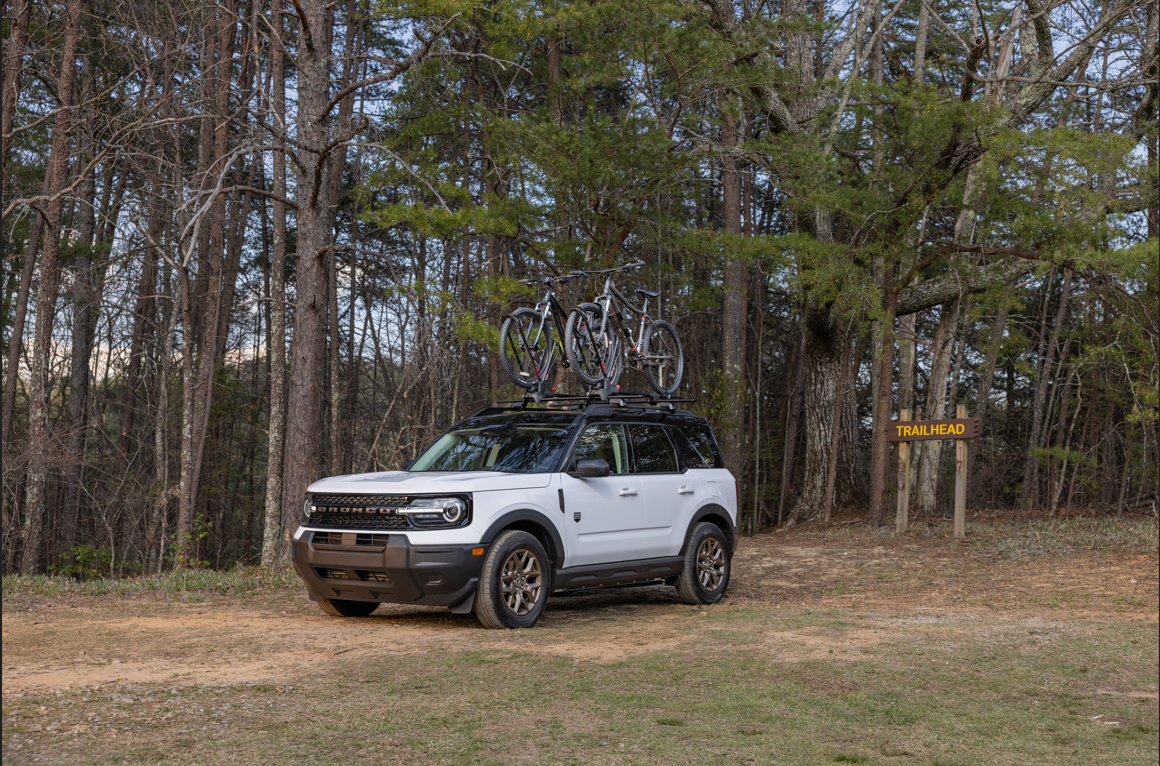
Ford Bronco

Should You Choose a Ford Bronco or Jeep Wrangler for Texas Trails

Ford Bronco Vs. Jeep Wrangler for Texas Off-Roading For drivers in Sealy and along the I-10 corridor west of Houston, the better off-road SUV depends on where you actually plan to drive and how often the vehicle will also be used on pavement. In a current-model comparison, the 2026 four-door Ford Bronco Big Bend® with the 2.3L EcoBoost® engine is rated at 300 horsepower and 325 lb.-ft. of torque. Ford also lists the available 2.7L EcoBoost® V6 at 315 horsepower and 410 lb.-ft. of torque on regular fuel, or 330 horsepower and 415 lb.-ft. of torque on premium fuel. Jeep lists the 2026 Wrangler 3.6L V6 at 285 horsepower and 260 lb.-ft. of torque, and the available 2.0L turbo I4 at 270 horsepower and 295 lb.-ft. of torque. The Wrangler Moab 392 offers a 6.4L V8 rated at 470 horsepower and 470 lb.-ft. of torque. That does not make one SUV automatically better for every driver. It does show why engine choice, body style, roof style, tires, and trail equipment all need to be compared before you decide between the Bronco and Wrangler. If you want to start with local options, Ryan Ford’s new Ford inventory, used inventory, and Ford Blue Advantage vehicles can help you compare different ownership paths. Specifications, pricing, availability, and equipment can vary by model year, trim, package, and configuration, so confirm the exact details for the specific vehicle with Ryan Ford and Ford before making a final decision. What Makes the Bronco and Wrangler Different? The biggest difference is not just the badge. It is how each SUV is configured for your real use. The Bronco lineup gives Sealy shoppers several distinct trims to compare, including Base, Big Bend®, Outer Banks®, and Badlands®. Jeep’s Wrangler lineup also changes substantially by trim, engine, body style, and equipment. That matters because a daily-driven four-door SUV with cargo and passenger needs may point you in a different direction than a more specialized off-road build. A quick current snapshot: If cargo flexibility matters for camping gear, coolers, recovery equipment, or family travel, the Bronco has an advantage in published cargo volume in comparable four-door configurations. How Should You Compare Trail Equipment? Trail capability needs to be judged by the exact SUV, not by broad model reputation. Ground clearance, tire size, wheelbase, breakover angle, roof style, and underbody protection can all change by trim and body style. That is why it helps to review the exact Bronco configuration you want before focusing on one headline claim. A Bronco Big Bend® and a Bronco Badlands® are not the same vehicle in practice, just as one Wrangler configuration can be very different from another. When narrowing the comparison, focus on: Tire type and tire size Four-wheel-drive hardware for the specific trim Ground clearance and off-road angles where published Roof and door configuration Cargo space for the gear you actually carry Passenger room if the SUV will be used beyond weekend trail trips If you want to review official model details before test-driving, it helps to compare the 2026 Bronco Big Bend® model details, the 2026 Bronco technical specifications, and the 2026 Jeep Wrangler specifications. What Matters Most for Daily Driving in Sealy? Even an off-road SUV spends most of its life on regular roads. That means daily comfort, visibility, rear-seat access, cargo organization, and ease of parking deserve just as much attention as trail hardware. For many Sealy drivers, the right SUV is the one that feels manageable on local roads during the week and still fits weekend recreation plans. If most of your miles will happen on pavement, pay close attention to: Rear-seat access Cargo loading height Roof and door storage needs Wind and road noise How easy the vehicle is to park and load Open-air driving can be part of the appeal for both lineups, but removable roof panels and doors also bring practical questions. You may need storage space at home, time to remove or reinstall components, and a realistic plan for how often you will actually use those features. How Should You Think About Ownership After the Trail? Trail use can change what you inspect and maintain. After off-road driving, it is smart to check tires, wheels, underbody areas, lights, cameras, and any parts exposed to mud, rocks, or debris. The owner’s manual remains the best guide for model-specific operating and maintenance information. Accessories deserve the same level of planning. Tires, roof gear, towing equipment, and added weight can affect handling, visibility, payload, and other limits. The exact impact depends on the vehicle and equipment. If service support is part of your ownership plan, Ryan Ford also offers ways to help maintain your vehicle over time, including online service scheduling, Ford Mobile Service, and Ford Pickup & Delivery for participating service visits. Compare Your Trail-Ready Options Use our Ford Bronco vs. Jeep Wrangler research to revisit the features and ownership considerations that matter most to your plans. At Ryan Ford, we can help you narrow your choices around the equipment and configuration you prefer. When you are ready for more vehicle-specific guidance, contact us to discuss your next steps. Frequently Asked Questions Is the Bronco More Powerful Than the Wrangler? It depends on the engines being compared. Ford lists the 2026 Bronco Big Bend® 2.3L EcoBoost® at 300 horsepower and 325 lb.-ft. of torque, compared with 285 horsepower and 260 lb.-ft. for the Wrangler 3.6L V6. The Wrangler Moab 392's 6.4L V8 is rated higher, at 470 horsepower and 470 lb.-ft. Compare the exact versions you are considering. Does the Bronco Offer More Cargo Space Than the Wrangler? In the published four-door figures referenced here, yes. Ford lists up to 38.3 cubic feet behind the rear seats and up to 83.0 cubic feet maximum in a four-door soft-top Bronco, while Jeep lists 31.7 cubic feet behind the rear seats and 72.4 cubic feet with the rear seats folded in the four-door Wrangler. Should I Compare a Bronco Big Bend® or a Bronco Badlands® to a Wrangler? That depends on how serious your off-road plans are and how often the SUV will also be used for commuting, travel, or cargo. Big Bend® and Badlands® serve different priorities, so it helps to compare the specific trim that matches your routine. Can Accessories Change Capability? Yes. Tires, roof equipment, towing gear, and other accessories can affect handling, weight, visibility, and vehicle-specific limits. Confirm specifications, pricing, availability, and equipment for the exact Bronco or Wrangler you are considering, because details can vary by model year, trim, package, and configuration.

Ford Mustang

Understanding Ford Mustang Shelby Models for Used-Car Shoppers

Used Shelby Mustang Buyer’s Guide for Sealy A used Shelby Mustang is not one single type of car. Factory-built GT350, GT350R, and GT500 models were designed for different kinds of performance, so the right choice depends on the exact model year, powertrain, transmission, equipment, condition, and maintenance history of the vehicle in front of you. For shoppers in Sealy and along the I-10 corridor west of Houston, the first question is how you want to use the car. Some drivers want a manual-transmission weekend car. Others care more about straight-line acceleration, track-focused hardware, or a high-performance Mustang that can still feel manageable on regular roads. This guide focuses on the 2015 to 2022 factory Ford Shelby models (GT350, GT350R and GT500) rather than Mustangs with aftermarket Shelby-style parts. Ford also built the Shelby GT500 for the 2007 to 2014 model years, with different engines and output, so confirm the exact model year of any GT500 you are considering. Before making a decision, confirm the VIN, original equipment when available, maintenance records, and overall condition of the specific vehicle. Pricing, availability, equipment, and condition can vary by vehicle, so confirm the details with Ryan Ford and applicable Ford documentation. Which Shelby Models Should You Compare First? The best place to start is with the factory lineup and the type of driving experience each model was built to deliver. Shelby Mustang Snapshot If you want to compare available pre-owned options locally, start with Ryan Ford’s used vehicle inventory and the available Ford Blue Advantage vehicles. The best comparison is always between specific vehicles, not just model names. How Should You Choose Between a GT350, GT350R, and GT500? The answer usually comes down to transmission preference, driving goals, and condition. A GT350 or GT350R may fit a shopper who wants a more hands-on driving experience, since both use a factory 6-speed manual transmission. If driver involvement is high on your list, clutch engagement, shift quality, and service history deserve close attention. The 2020 to 2022 GT500 takes a different approach. Ford paired it with a supercharged 5.2L V8 and a 7-speed dual-clutch transmission, so the ownership questions change. Instead of focusing on clutch pedal feel, buyers should pay close attention to service documentation, operating condition, and whether the car has been modified or tuned. A practical breakdown can help. Before narrowing the field, it can help to review Ford’s Shelby GT350 and GT350R technical specifications, the 2020 Mustang technical specifications, and the 2022 Mustang technical specifications so you can compare the official Ford figures that apply to these generations. Why Do Condition and Originality Matter So Much? With a used performance car, the badge alone does not tell the full story. A lower odometer reading can look appealing, but service history, original components, proper repairs, and careful ownership often tell you more. That is especially important for a used Shelby. Performance cars can look excellent on the outside while still needing attention in areas that are harder to spot during a quick walkaround. Before buying, we recommend checking: VIN and model-year confirmation Available window sticker or build documentation Maintenance invoices and repair records Open recalls and service campaign status Tire age, tread wear, and uneven wear patterns Brake-pad, rotor, and fluid condition Cooling-system condition and signs of leaks Clutch or transmission operation, depending on model Suspension wear, battery health, and stored diagnostic issues Modifications do not automatically rule out a car, but they should be documented and evaluated carefully. Ask whether original parts are included and whether any tuning, emissions-related changes, suspension work, wheel changes, or exhaust changes were made. What Should You Think About Before Ownership Begins? A performance Mustang can carry different maintenance and wear-item needs than a standard Mustang. Tires, brake components, fluids, and cooling-related service should be evaluated with the exact model year and configuration in mind. That is why ownership planning matters just as much as the test drive. If you are comparing vehicles seriously, it may help to prepare with a trade appraisal for your current vehicle and review service support options such as online service scheduling, Ford Mobile Service, and Ford Pickup & Delivery for participating service visits. It is also worth reviewing: Remaining warranty coverage, if any Whether the vehicle is part of a Ford Blue Advantage program tier, if applicable Insurance expectations for the specific vehicle Parts and maintenance history for that model year Financing details for the individual vehicle How Can You Shop More Confidently in Sealy? The right used Shelby Mustang depends on much more than whether the badge says GT350, GT350R, or GT500. It depends on the exact vehicle’s originality, service history, configuration, and how well it matches the driving experience you want. If your goal is a manual performance car, the GT350 and GT350R may deserve more attention. If your goal is later-model factory output and a different transmission experience, the GT500 may be the better fit to research. In every case, the smartest move is to compare the exact vehicle rather than assume every example of the same model has been maintained or equipped the same way. Compare Shelby Options With Confidence Browse the Ford Mustang Shelby in Sealy, TX resources to continue narrowing down the features and model characteristics that matter most to you. At Ryan Ford, we can help you discuss questions about a specific vehicle’s equipment, history, and suitability for your plans. When you are ready for personalized assistance, contact us to speak with our team. Please confirm pricing, availability, equipment, and vehicle-specific details before making your decision. Frequently Asked Questions How Can I Tell if a Used Shelby Is a Factory Model? Start with the VIN, original documentation when available, and the vehicle’s equipment details. Those are more reliable than appearance parts alone. Should I Avoid a Modified Shelby? Not automatically. The better question is whether the changes were documented properly, installed correctly, and fit your ownership goals. Original parts and service records can add useful context. Is the GT350 Better if I Want a Manual Transmission? For shoppers who want a factory manual-transmission Shelby, the GT350 and GT350R are the natural place to start. The 2020 to 2022 GT500 uses a factory dual-clutch transmission instead, while the 2007 to 2014 GT500 used a 6-speed manual. Does a Lower-Mileage Shelby Always Make More Sense? Not always. Lower mileage can be appealing, but documented maintenance, proper repairs, condition, and originality can matter just as much when you are comparing used performance cars.

Ford Ownership

Can Ford Ownership Deliver Long-Term Reliability?

Ford Reliability: What Owners Should Consider Long Term If you are asking whether Ford is reliable for the long haul, the practical answer is that long-term reliability depends on the specific vehicle, how well it matches your needs, and whether it receives the maintenance its model year and configuration require. No brand or vehicle delivers the same result for every driver. For drivers in Sealy and along the I-10 corridor west of Houston, that means looking beyond a broad brand reputation. An F-150 used for regular towing may need a different ownership plan than an Explorer used mainly for commuting and family travel. A Maverick XLT Hybrid, an Escape Active, or a Ford Blue Advantage vehicle may also fit different routines in very different ways. Why Is Ford Reliability a Vehicle-Level Question? Long-term reliability is best judged one vehicle at a time. Model year, trim, drivetrain, engine or powertrain, mileage, service history, and daily use all matter. A Ford that fits your routine is usually easier to maintain realistically over time than one that is asked to do more than its configuration was designed to handle. Before choosing a vehicle, it helps to consider: How far you drive in a typical week Whether you tow, haul cargo, or carry work equipment How many passengers and how much cargo space you need Whether your routine includes stop-and-go driving, idling, or long highway trips Which maintenance needs come with your chosen engine or powertrain If you are comparing pre-owned options, Ryan Ford’s used Ford inventory and Ford Blue Advantage selection can help you compare vehicles with different histories, features, and ownership paths. How Do You Choose the Right Ford for Long-Term Ownership? The right vehicle is not simply the one with the most equipment. It is the one that fits your daily demands without placing unnecessary strain on the vehicle over time. A helpful way to compare: Ownership Need Ford Vehicles to Research What to Confirm Work, hauling, or towing F-150 XL, F-150 XLT, Ranger XLT, Super Duty trims Cab, bed, engine, drivetrain, axle ratio, towing equipment, and payload details Family transportation Explorer Active, Explorer ST-Line, Escape Active Seating layout, cargo flexibility, passenger needs, and maintenance planning Frequent commuting Maverick XLT Hybrid, Escape, other efficient Ford options Powertrain, mileage patterns, fuel-use expectations, and routine service needs Used or certified shopping Ford Blue Advantage vehicles Service records, vehicle history, recalls, and applicable coverage terms If you plan to tow or haul often, verify capability details for the exact vehicle. Towing and payload information can vary by model year, trim, engine, drivetrain, cab, bed, axle ratio, package, and installed equipment. The same is true for available technology, driver-assist features, and warranty or coverage details. What Role Does Routine Service Play? Routine service is one of the most practical ways to support long-term reliability. Ford owners should follow the maintenance information for the vehicle’s specific model year and configuration and use the owner’s manual and Ford owner resources as the guide. Depending on the vehicle and how it is used, service may include: Oil and filter service where applicable Tire inspections and rotations Brake inspections Fluid checks Battery testing Filter replacement Inspections related to towing, hauling, heavy cargo, or frequent idling Service needs are not identical for every Ford. Age, mileage, climate, road conditions, and driving habits all affect what the vehicle may need over time. If service convenience matters to your ownership plan, Ryan Ford offers ways to help owners stay on schedule, including the ability to schedule service online, use Ford Mobile Service where available, and request Ford Pickup & Delivery for participating service visits. Why Should You Research the Exact Vehicle Before Buying? Whether you are considering a new Ford, a used Ford, or a Ford Blue Advantage vehicle, it is important to research the exact unit rather than rely on general model information. The VIN, available history reports, maintenance records, and installed equipment can all affect long-term ownership. Before making a decision, we suggest verifying: Model year, trim, drivetrain, engine, or powertrain VIN-specific equipment and installed packages Available maintenance records and vehicle history information Open recalls and applicable coverage details Vehicle-specific capability, condition, and technology features Driver-assist systems may be available on certain Ford vehicles depending on the model year and equipment. These systems are designed to assist in certain driving situations, but they do not replace an attentive driver, safe driving practices, or the driver’s responsibility to control the vehicle. Find a Ford That Fits Your Ownership Goals If you are still asking is Ford reliable, compare Ford Certified vehicles with their available history, warranty coverage, and inspection information in mind. At Ryan Ford, we can help you narrow your search based on the features and ownership priorities that matter to you. Contact us with questions about a specific vehicle, and confirm current pricing, availability, and equipment before making your decision. Frequently Asked Questions How Can I Check a Used Ford’s Maintenance History? Ask to review available vehicle history information and maintenance records. It is also helpful to compare those records with the maintenance schedule in the owner’s manual and check for any open recalls. Where Can I Find the Correct Maintenance Schedule for My Ford? Use the owner’s manual and Ford owner resources for your vehicle’s model year. The recommended schedule may differ by model, powertrain, mileage, and operating conditions. How Can Ford Blue Advantage Help Me Compare Used Ford Options? Ask which Ford Blue Advantage program tier applies to the specific vehicle and request the applicable program documentation. That can help you understand the vehicle’s certification status and any coverage terms that may apply. How Can I Confirm Which Driver-Assist Features a Used Ford Has? Review the VIN-specific equipment information, any available window sticker information, and the owner’s manual for that model year. Feature availability and operation can vary by vehicle, trim, package, and configuration.

Ford F-250

Understanding Ford F-250 Super Duty Powertrains for Towing

Ford F-250 Super Duty Towing Powertrain Overview If towing is one of your main reasons for shopping a heavy-duty truck in Sealy, the right 2026 Ford F-250 Super Duty powertrain depends on more than horsepower or torque alone. Your loaded trailer weight, hitch type, cargo, passengers, axle ratio, cab style, bed length, drivetrain, and factory towing equipment all affect the rating of a specific truck. For a current-model overview, Ford lists four 2026 Super Duty engine choices. The 6.8L gas V8 is rated at 405 horsepower and 445 lb.-ft. of torque. The available 7.3L gas V8 is rated at 430 horsepower and 485 lb.-ft. of torque. The available 6.7L Power Stroke® V8 Turbo Diesel is rated at 475 horsepower and 1,050 lb.-ft. of torque. The available High-Output 6.7L Power Stroke® V8 Turbo Diesel is rated at 500 horsepower and 1,200 lb.-ft. of torque. Those figures give you a useful starting point, but the correct towing answer always comes from the exact truck and the exact trailer you plan to use. If you want to compare available trucks locally, start with Ryan Ford’s new Ford inventory, then review the used truck inventory and Ford Blue Advantage vehicles. Specifications, pricing, availability, and equipment can vary by model year, trim, package, drivetrain, cab, bed, axle ratio, and configuration, so confirm the details for the specific truck with Ryan Ford and Ford before making a final decision. What Powertrains Are Available in the 2026 F-250 Super Duty? Ford’s current Super Duty information gives F-250 shoppers a clear engine lineup to compare. Engine Horsepower Torque Key Details 6.8L Gas V8 405 hp 445 lb.-ft. Standard on F-250 XL 7.3L Gas V8 430 hp 485 lb.-ft. Available on XL and XLT 6.7L Power Stroke® V8 Turbo Diesel 475 hp 1,050 lb.-ft. Designed for heavier-duty towing High-Output 6.7L Power Stroke® V8 Turbo Diesel 500 hp 1,200 lb.-ft. Available on select configurations Ford’s 2026 Super Duty model overview, the F-250 XL model details, and the 2026 Super Duty technical specifications are useful places to review those current engine figures. Why Does the Whole Truck Matter More Than the Engine Alone? A higher torque figure does not mean every diesel F-250 tows the same amount. Ford towing ratings are configuration-specific. That means the final number depends on the truck’s engine, axle ratio, drivetrain, cab, bed, hitch setup, payload, and other factory equipment. For example, one F-250 Crew Cab 4x4 with diesel power may be configured very differently from another F-250 Regular Cab 4x2 with a gas engine. Even though both wear the same nameplate, their towing ratings, payload ratings, and trailer suitability can be very different. That is why the most useful towing comparison includes: Your trailer’s fully loaded weight, not just its empty weight Conventional tongue weight or fifth-wheel pin weight Passenger and cargo weight in the truck Hitch type and trailer brake setup Typical route, grades, and towing frequency Ford’s 2026 Super Duty towing guide makes the same point. Maximum towing figures apply only to properly equipped vehicles and vary based on configuration, cargo, accessories, and the number of passengers. Should You Choose a Gas or Diesel F-250? That depends on how often you tow, how heavy the trailer is, and how you use the truck the rest of the week. A gas F-250 can make sense if your work or recreation involves lighter trailers, occasional towing, or a preference for a gas-engine setup. The 6.8L gas V8 gives you the standard starting point, while the available 7.3L gas V8 is worth comparing if you want added gas-engine output. A diesel F-250 may deserve a closer look if your routine includes frequent towing, heavier equipment trailers, or longer hauling distances. The available 6.7L Power Stroke® diesel and the High-Output version bring much higher torque figures, but the truck still has to be matched to the trailer correctly. For many Sealy-area towing decisions, the better question is not simply gas or diesel. It is which exact truck fits the trailer, the cargo, the route, and the frequency of use. What Towing Equipment Should You Compare With the Powertrain? A capable engine is only part of a safe towing setup. The rest of the truck matters just as much. Trailer brakes, hitch equipment, mirrors, tire choice, cargo placement, and payload all affect the real towing experience. Ford also offers available towing-focused technology on current Super Duty trucks, including features such as Pro Trailer Backup Assist™, Pro Trailer Hitch Assist™, and Onboard Scales with Smart Hitch on certain configurations. These systems are designed to assist the driver, not replace attentive driving, proper loading, or correct trailer setup. If you expect to tow often, it helps to review: Hitch type and trailer connection requirements Trailer brake controller availability Mirrors and visibility needs Payload label information Tire and wheel setup Bed length if fifth-wheel or gooseneck towing is part of the plan If you are trading out of your current truck before moving into a different towing setup, Ryan Ford’s trade appraisal tool can help you prepare for the next step. How Should You Confirm the Right F-250 Setup? The best way to confirm a towing setup is to compare the exact truck, the exact trailer, and the exact equipment together. Door-jamb labels, the towing guide, the owner’s manual, and the truck’s installed equipment matter more than a broad lineup maximum. This is especially important for shoppers comparing: Regular Cab, SuperCab™, and Crew Cab layouts 4x2 and 4x4 drivetrains Different bed lengths Gas and diesel powertrains Conventional towing versus fifth-wheel or gooseneck towing If ownership support matters after the purchase, Ryan Ford also offers online service scheduling, Ford Mobile Service, and Ford Pickup & Delivery for participating service visits. Compare Powertrain Options With Confidence Review the Ford F-250 Super Duty in Katy to compare available configurations and focus on the equipment that fits your towing needs. Our team at Ryan Ford can help you narrow down the powertrain, cab, bed, and available towing equipment to consider. When you are ready to discuss your truck needs, contact us for personalized assistance. Frequently Asked Questions Which 2026 F-250 Engine Has the Most Torque? The available High-Output 6.7L Power Stroke® V8 Turbo Diesel has the highest published torque figure in the 2026 F-250 lineup at 1,200 lb.-ft. Torque alone does not determine the truck’s final towing rating. Is the 7.3L Gas V8 Better Than the 6.8L Gas V8 for Towing? Not automatically. The 7.3L gas V8 has higher published output, but the better choice depends on the exact truck configuration, trailer weight, payload needs, and how often you tow. Do I Need Diesel for Every Heavy Trailer? Not always. Some gas-engine F-250 configurations may fit certain towing needs well. The correct answer depends on the exact trailer, loading, route, and the truck’s published rating. Why Should I Bring My Trailer Details Before Comparing Trucks? Because loaded trailer weight, tongue or pin weight, passengers, cargo, hitch equipment, and route conditions all affect whether a specific F-250 configuration fits your towing needs.

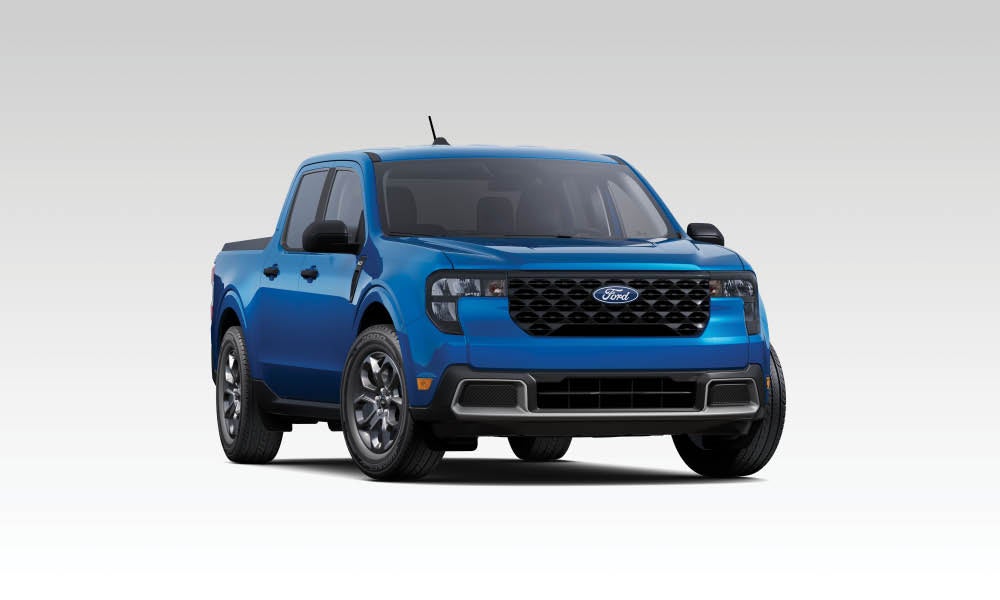
Ford Maverick

Maverick Vs. Santa Cruz: Which Compact Truck Fits You?

Ford Maverick Vs. Hyundai Santa Cruz in Sealy For drivers in Sealy and along the I-10 corridor west of Houston, the better compact truck depends on what you need it to do most often. The 2026 Ford Maverick stands out if you want a standard hybrid powertrain on XL, XLT, and Lariat, a 54.4-inch bed length, and up to 4,000 pounds of towing when properly equipped with the available 4K Tow Package. The 2026 Hyundai Santa Cruz may appeal more if you want a higher published maximum towing figure, because Hyundai lists up to 5,000 pounds for properly equipped turbocharged trims, along with a 52.1-inch bed length and a 281-horsepower available turbocharged engine. A useful starting point is to compare the exact vehicles you are considering, not just the model names. You can begin with Ryan Ford’s new Ford Maverick inventory, then review the broader market through the used vehicle inventory. If you are replacing a current vehicle, Ryan Ford also offers a trade appraisal tool, and shoppers who want to plan the next step early can start with the online credit application. Specifications, pricing, availability, and equipment can vary by model year, trim, powertrain, drivetrain, package, and configuration, so confirm the exact details for the specific vehicle with Ryan Ford and the manufacturer before making a decision. What Are the Biggest Differences Between These Two Compact Trucks? The Maverick and Santa Cruz both mix pickup utility with everyday drivability, but they get there in different ways. Feature / Specification 2026 Ford Maverick 2026 Hyundai Santa Cruz Standard Engine 2.5L Hybrid (XL, XLT, Lariat) 2.5L 4-Cylinder (191 hp) Available Engine 2.0L EcoBoost® (250 hp, 280 lb.-ft.) 2.5L Turbo (281 hp, 311 lb.-ft.) Bed Length 54.4 in. 52.1 in. Bed Width 53.3 in. (42.6 in. between wheelhouses) 53.9 in. (42.7 in. between wheelwells) Standard Towing 2,000 lbs. Up to 3,500 lbs. (non-turbo) Max Towing 4,000 lbs. (with 4K Tow Package) Up to 5,000 lbs. (turbo trims) Max Payload / Load Limit 1,500 lbs. 1,411 lbs. Center Display Standard 13.2-inch display Standard 12.3-inch touchscreen If you want a hybrid compact truck, the Maverick is the one to study first. If your comparison starts with maximum turbo towing on paper, the Santa Cruz deserves a closer look. Which Maverick Powertrains Matter Most for Daily Use? One of the clearest differences is the Maverick’s powertrain range. Ford’s current Maverick pages show that XL, XLT, and Lariat come standard with a 2.5L hybrid powertrain, and the XLT and XL model pages also confirm an available 2.0L EcoBoost® engine. Ford lists that available 2.0L EcoBoost® at 250 horsepower and 280 lb.-ft. of torque. That gives Maverick shoppers a real choice between a hybrid-focused setup and a gas engine that may make more sense for certain towing or performance priorities. Ford also notes that the standard FWD hybrid setup is rated at 42 city/35 highway/38 combined mpg. Hyundai’s 2026 Santa Cruz uses gas engines only, with a 191-horsepower 2.5L engine or a 281-horsepower 2.5L turbocharged engine depending on trim. For a daily Sealy commute, that difference can matter as much as any headline towing number. If fuel use is one of your top concerns, the Maverick hybrid brings something Santa Cruz does not currently offer. How Do Bed Size and Cargo Utility Compare? The Maverick gives you a slightly longer bed. Ford lists the 2026 Maverick bed at 54.4 inches long, 53.3 inches wide, and 42.6 inches between the wheelhouses. Hyundai lists the 2026 Santa Cruz bed at 52.1 inches long, 53.9 inches wide, and 42.7 inches between the wheelwells. That means the Maverick offers more bed length, while the Santa Cruz is slightly wider on paper. Neither figure alone tells you which one is more useful. A longer bed can matter for lumber, longer boxes, or home-improvement supplies. A bit more width can matter for bins, coolers, or the way you stack gear. Think about what you carry most often: Home project supplies Yard or ranch gear Coolers and weekend equipment Work bags and small tools Bikes or sports equipment The better layout is the one that fits your routine most often, not only the largest thing you may haul once or twice a year. How Should You Compare Towing and Payload? This is where configuration matters most. Ford’s current 2026 Maverick pages state that the truck has a standard towing capacity of 2,000 pounds and a maximum towing capacity of 4,000 pounds when equipped with the available 4K Tow Package. On the Maverick XLT, Ford specifically says the 4,000-pound maximum requires the available 2.5L hybrid or 2.0L EcoBoost®, AWD, and the 4K Tow Package. Hyundai lists up to 3,500 pounds of towing for 2026 Santa Cruz non-turbo trims and up to 5,000 pounds for properly equipped turbocharged trims. Hyundai also states that towing capacity varies by configuration, so the exact trim still matters. Payload needs the same level of care. Ford lists a maximum payload of 1,500 pounds on certain 2026 Maverick configurations. Hyundai’s 2026 Santa Cruz specs list a maximum load limit or vehicle capacity weight of 1,411 pounds. These are not blanket ratings for every version, and they should not be treated as if they apply to every truck on the lot. Use this checklist before comparing two specific vehicles: What is the trailer’s fully loaded weight, not just its empty weight? How much weight will be in the bed on a normal week? Will passengers, tools, or accessories stay in the truck full time? Does the exact truck include the required towing equipment? Will tongue weight reduce your available payload more than expected? If towing is part of your plan, it helps to review the current Maverick specifications, the 2026 Maverick towing guide, and the 2026 Santa Cruz specifications before comparing two exact configurations. What About Everyday Comfort and Technology? Compact trucks are often daily drivers first and utility vehicles second, so cabin details matter. Ford’s Maverick pages highlight a standard 13.2-inch center display with SYNC® 4. Ford also offers several distinct trims that can change the truck’s personality, including XL, XLT, Lariat, Tremor®, and Lobo™. Santa Cruz takes a different approach, blending pickup-bed utility with a more crossover-like shape and available features such as an integrated tonneau cover on certain trims. Hyundai also builds towing differences directly into the engine and trim walk. For daily use, the right questions are practical: Is the hybrid option important to you? Will the rear seat be used for passengers often? Do you need the longest bed possible in this size class? Are you focused on occasional towing or regular towing? Do you want a compact truck that leans more toward truck utility or crossover comfort? Ford driver-assist features are designed to assist the driver. They do not replace attentive driving, safe following distance, or responsibility behind the wheel. Which One Makes More Sense for a Sealy Driver? If your routine leans toward commuting, efficiency, flexible compact-truck utility, and the availability of a hybrid powertrain, the Maverick is the more distinctive option. If your priority is the highest published towing figure in this comparison and you are comfortable shopping around the turbocharged Santa Cruz trims that support it, Hyundai offers a different path. The most useful comparison is always the specific truck in front of you. Confirm specifications, pricing, availability, equipment, towing ratings, and payload details for the exact vehicle with Ryan Ford and the manufacturer, because these details can change by model year, trim, powertrain, drivetrain, package, and configuration. Compare Your Compact Truck Options With Confidence Review our Maverick vs. Santa Cruz research to revisit the features and considerations that matter most for your daily driving, hauling, and weekend plans. At Ryan Ford, we can help you sort through Ford Maverick configurations and available equipment for the truck that fits your needs. Please contact us to confirm specifications, pricing, availability, and equipment for any specific vehicle before making your decision. Frequently Asked Questions Does Every 2026 Maverick Have the Same Towing Capacity? No. Ford lists a standard towing capacity of 2,000 pounds, but the maximum 4,000-pound figure requires the proper configuration and the available 4K Tow Package. Review the exact truck before assuming it matches the lineup maximum. Is the Maverick Hybrid Better for Every Driver? Not necessarily. The hybrid setup can be attractive for daily driving and fuel-conscious ownership, but some shoppers may prefer the available 2.0L EcoBoost® engine based on towing needs, drivetrain preference, or how they plan to use the truck. Does the Santa Cruz Offer More Towing Than the Maverick? It can, depending on trim. Hyundai lists up to 5,000 pounds for properly equipped 2026 Santa Cruz turbocharged trims, while Ford lists up to 4,000 pounds for properly equipped 2026 Maverick models with the available 4K Tow Package. Should I Compare a New Maverick With a Used One? Yes. Model-year changes can affect powertrain choices, technology, towing equipment, and available features. A used Maverick may still fit your needs well, but the details should be reviewed for that specific truck.

Ford Explorer

Inside Ford Explorer Vs. Honda Pilot Family Travel Differences

For many Sealy families, the better fit comes down to how the SUV will be used most often. The 2026 Ford Explorer stands out if you want standard 5,000-pound maximum towing across the lineup, a choice of six- or seven-passenger seating depending on trim and options, and current Ford technology like a 13.2-inch center display. The 2026 Honda Pilot may appeal more if you want more published passenger and cargo room, including up to eight-passenger seating depending on trim, 40.8 inches of second-row legroom, and 18.6 cubic feet of cargo space behind the third row. For a practical comparison in Sealy and along the I-10 corridor west of Houston, start with the exact vehicles you are considering. A current new Ford Explorer selection, the available used SUV inventory, and the Ford Blue Advantage lineup can help you compare model years, trims, and equipment side by side. Specifications, pricing, availability, and features can vary by model year, trim, package, drivetrain, and configuration, so confirm the details for the specific vehicle with Ryan Ford and Ford before making a final decision. Which Seating Setup Works Better for Your Family? If your third row is used often, seating layout matters as much as passenger count. On the 2026 Explorer, Ford says seating varies from six to seven passengers depending on model and options. Second-row captain’s chairs are standard on all Explorer models except ST-Line, while ST-Line uses a standard second-row bench and some other Explorer trims can be configured with a bench seat. Honda takes a different approach. The 2026 Pilot seats seven or eight depending on trim. Honda also publishes 40.8 inches of second-row legroom and 32.5 inches of third-row legroom. Ford publishes 37.5 inches of second-row legroom on Explorer Active 100A and Active models, 37.0 inches on ST-Line, ST, Tremor, and Platinum, plus 31.8 inches of third-row legroom across the current Explorer line. Published Family-Space Snapshot Numbers are helpful, but family fit is more than measurements. If you use child seats, boosters, or a stroller every day, bring that gear into the decision. A second-row bench can help if you regularly carry more people. Captain’s chairs can help if you want easier third-row access. What Cargo Space Matters Most on Real Trips? For family travel, the most useful cargo number is usually the one that matches your normal seating setup. If every row is filled on a road trip, the space behind the third row matters much more than the biggest cargo figure with rear seats folded. Ford lists 16.3 cubic feet of cargo room behind the third row on the 2026 Explorer. Maximum cargo capacity is 85.8 cubic feet on Explorer Active 100A, Active, and ST-Line, and 85.3 cubic feet on ST, Tremor, and Platinum. Honda lists 18.6 cubic feet behind the third row on the 2026 Pilot, 48.5 cubic feet behind the second row, and maximum cargo volume that varies by trim, reaching as much as 113.7 cubic feet. That gives the Pilot an advantage on published cargo volume, but layout still matters. The shape of the load floor, the size of the cargo opening, and how easily the seats fold can affect daily use just as much as the official numbers. Before your drive, think about the gear that usually travels with your family: Child seats or boosters A stroller or folding wagon Sports bags or school backpacks Coolers, groceries, or weekend luggage A pet crate or travel kennel If you want to test cargo fit before choosing an SUV, knowing your current vehicle’s value can also help you compare your options. Ryan Ford’s trade appraisal tool can give you a starting point while you compare cargo and seating needs with your next vehicle. How Do Power and Towing Compare? If your family travel plans include a small camper, utility trailer, or boat, compare towing by the exact configuration. For the 2026 Explorer, Ford lists a 2.3L EcoBoost® I-4 rated at 300 horsepower and 310 lb.-ft. of torque on current 2.3L models, while the 2026 Explorer ST uses a 3.0L EcoBoost® V6 rated at 400 horsepower and 415 lb.-ft. of torque. Ford also says all 2026 Explorer models come standard with the Class III Tow Package and a maximum towing capacity of 5,000 pounds. The 2026 Honda Pilot uses a 3.5-liter V6 rated at 285 horsepower and 262 lb.-ft. of torque. Honda lists maximum towing capacity at 5,000 pounds for AWD trims and 3,500 pounds for 2WD trims, with accessory towing equipment required. For family buyers, that means the Explorer gives you a simpler towing starting point. Every current Explorer model is published with the same maximum towing figure. Pilot shoppers need to pay closer attention to whether the SUV is 2WD or AWD. Proper towing still depends on the exact vehicle, trailer weight, passengers, cargo, hitch equipment, and setup. If towing is part of your decision, it helps to review the 2026 Ford Explorer model details, Ford’s 2026 Explorer towing information, and the 2026 Honda Pilot specifications before comparing two exact vehicles. What Should You Look For in a Family Test Drive? A family SUV can look similar on paper and still feel very different once everyone climbs in. For a useful test drive in Sealy, focus on the parts of ownership your household will use every week. Test-drive priorities worth checking: Third-row access with a child seat installed Seat comfort in all three rows Visibility while parking Screen layout and everyday controls Cargo loading height Rear climate access USB charging access for passengers How quickly the seats fold and return to place The 2026 Explorer also gives shoppers a clear look at current Ford cabin tech. Ford highlights a 13.2-inch center display and Ford Digital Experience on the current Explorer line. Honda updated the 2026 Pilot with a 12.3-inch touchscreen across the lineup. If technology matters on long drives, take a few extra minutes to pair your phone, test the screen menus, and sit in the third row before deciding. Ford driver-assist features are designed to assist the driver and do not replace attentive driving or safe vehicle operation. As with cargo and towing, technology features can vary by trim and equipment, so compare the exact vehicle rather than assuming every Explorer is equipped the same way. Should You Compare New, Used, and Certified Options? Yes. A current new Explorer, a used Explorer, and a Ford Blue Advantage vehicle can offer different seating layouts, features, warranties, and model-year details. If you are comparing family-SUV options carefully, it makes sense to look at more than one ownership path instead of assuming the newest model is the only fit. Long-term convenience can matter, too. If ownership support is part of the decision, Ryan Ford also offers online service scheduling, Ford Mobile Service, and Ford Pickup & Delivery for participating service visits. Compare Family-SUV Priorities With Confidence Use our Explorer vs. Pilot research to revisit the family-travel features that matter most to your daily routine. At Ryan Ford, we can help you narrow your considerations based on seating, cargo needs, technology, and driving preferences. When you are ready to discuss your next steps, contact us with your questions. Family Travel Questions Can I Bring Child Seats or a Stroller to a Test Drive? Yes, it is worth asking ahead of time. A hands-on fit check with the gear your family actually uses can tell you much more than a spec sheet. Does Every 2026 Explorer Tow the Same Amount? Ford publishes a maximum towing capacity of 5,000 pounds for all 2026 Explorer models with the standard Class III Tow Package. Even so, trailer loading, hitch equipment, passengers, and cargo still matter, so review the exact vehicle and towing guidance before towing. Should I Compare a New Explorer With a Used or Certified One? Yes. Model-year changes can affect seating layouts, cargo configurations, technology, towing equipment, and warranty coverage. Compare the exact vehicle rather than assuming the same features carry forward. Can I Value My Trade Before Visiting? Yes. A trade estimate can help you prepare, but final appraisal depends on the vehicle’s condition, history, equipment, and in-person review.

F-150

Understanding F-150 Vs. RAM 1500 for Work and Daily Use

Ford F-150 Vs. Ram 1500 for Work and Daily Driving in Sealy For drivers in Sealy and along the I-10 corridor west of Houston, the better truck usually depends on what happens on a normal workday, not only the biggest number in a brochure. The 2026 Ford F-150 is the stronger place to start if you want a wider mix of gas and hybrid powertrains, a published maximum available gas tow rating of 13,500 pounds with the available 3.5L EcoBoost® V6, and trims like XL, XLT, Lariat, Tremor®, King Ranch®, Platinum, and Raptor®. The 2026 Ram 1500 may appeal more if you want to compare its newer twin-turbo inline-six options, including a 3.0L Hurricane Standard Output engine rated at 420 horsepower and 469 lb.-ft. of torque. The most useful comparison is always between two exact trucks. You can start with Ryan Ford’s new Ford F-150 inventory, then compare ownership paths through the used truck inventory and available Ford Blue Advantage vehicles. If you are replacing a current truck, a trade appraisal can help you compare the numbers before narrowing your choice. Specifications, pricing, availability, equipment, towing ratings, and payload ratings can vary by model year, trim, cab, bed, engine, drivetrain, axle ratio, package, and installed accessories, so confirm the exact details for the specific truck with Ryan Ford and Ford before making a final decision. What Should You Compare First? Start with the work you actually do. A truck that spends most of its time unloaded on the highway may need a different setup than one that carries tools every day or tows a trailer on weekends. Before comparing F-150 and Ram 1500 trims, think about these questions: Will you tow a work trailer, camper, or boat regularly? Do you need a longer bed for materials or equipment? Will adults or crew members often ride in the second row? Is four-wheel drive important for your roads, property, or job sites? How much of your week is spent driving with no trailer or cargo at all? Payload matters just as much as towing. Payload includes passengers, bed cargo, accessories, tools, and trailer tongue weight. A truck can have enough advertised towing capacity for a trailer and still run out of payload once people and gear are added. How Do 2026 F-150 Powertrains and Trims Compare? The current F-150 lineup gives shoppers a broad mix of configurations. Ford’s 2026 F-150 pages show that XL and XLT can be equipped with the 2.7L EcoBoost® V6, available 3.5L EcoBoost® V6, and available 5.0L Ti-VCT V8. Ford also offers the available 3.5L PowerBoost® Full Hybrid V6 on select trims, including XLT and Lariat. Here is a practical 2026 F-150 snapshot: 2.7L EcoBoost® V6: 325 horsepower and 400 lb.-ft. of torque 3.5L EcoBoost® V6: 400 horsepower and 500 lb.-ft. of torque 5.0L Ti-VCT V8: 400 horsepower and 410 lb.-ft. of torque 3.5L PowerBoost® Full Hybrid V6: 430 horsepower and 578 lb.-ft. of torque 12-inch touchscreen shown on current XL, STX®, and XLT model pages Maximum available gas tow rating of 13,500 pounds with the available 3.5L EcoBoost® V6, when properly equipped That range matters because different buyers can prioritize different things. Some F-150 shoppers want the hybrid option. Others may want the familiar feel of the 5.0L V8, or the broader towing focus of the 3.5L EcoBoost® V6. The right answer depends on how the truck will be used most often. If you want to review current Ford details before comparing exact trucks, it helps to look through the 2026 F-150 specifications and Ford’s 2026 F-150 towing guide. How Does the 2026 Ram 1500 Stack Up? Ram takes a different route. The 2026 Ram 1500 lineup offers a 3.6L Pentastar® V6 with eTorque, twin-turbo 3.0L Hurricane inline-six engines (including a High-Output version rated at 540 horsepower), and a HEMI® V8 on select models, depending on trim. Ram lists the 3.0L Hurricane Standard Output engine at 420 horsepower and 469 lb.-ft. of torque. Ram lists maximum available towing of up to 11,610 pounds with the 3.0L Hurricane engine and maximum available payload of up to 2,360 pounds with the 3.6L Pentastar® V6, when properly equipped. That means the Ram 1500 has real strengths, especially for shoppers who want to compare inline-six power or specific Ram trims and cabin features. It also means the comparison should stay focused on exact trucks, not general impressions. For current Ram figures, use the 2026 Ram 1500 towing and payload guide when checking any published rating. What Matters Most for Daily Driving? A full-size truck still has to work on an ordinary Tuesday in Sealy. That is why daily use deserves as much attention as capability. Cab style affects rear-seat access and passenger comfort. Bed length affects parking, garage fit, and how the truck feels around town. Powertrain choice affects how the truck responds when unloaded, loaded, or towing. Technology matters, too, especially if the truck doubles as family transportation or a mobile office. The F-150 can be easier to tailor to different routines because the lineup is so broad. Some shoppers may want an XL or XLT work truck. Others may prefer a Lariat for more daily comfort or a Tremor® for more off-pavement confidence. A Ram 1500 may also fit well, but the best result comes from comparing trim for trim and equipment for equipment instead of making a broad lineup assumption. Ford driver-assist features are designed to assist the driver. They do not replace attentive driving or safe vehicle operation. What Should You Check Before Choosing a Specific Truck? Once you narrow the comparison, focus on the exact truck instead of the lineup maximums. Review the door-jamb payload label, installed towing equipment, engine, cab, bed, drivetrain, axle ratio, and wheel or tire setup. Those details can change what the truck can carry and tow. A few ownership questions can also help: Does the truck’s payload rating still work after adding passengers, tools, and trailer tongue weight? Does the selected hitch and tow package match the trailer you plan to use? Will running boards, bed covers, toolboxes, or other accessories reduce usable payload? Is the truck configured more for towing, commuting, or a mix of both? If long-term convenience matters in your decision, Ryan Ford also offers an online finance application, Ford Mobile Service, and Ford Pickup & Delivery for participating service visits. Compare Your F-150 Options With Confidence Continue your Ford F-150 vs. Ram 1500 research by reviewing available F-150 configurations and equipment options. At Ryan Ford, we can help you narrow down the cab, bed, powertrain, and features that fit your daily driving and job demands. Specifications, equipment, pricing, and availability can vary by vehicle, so contact us to confirm details on a specific F-150. FAQs Can I Tow a Travel Trailer With Either Truck? Yes, both trucks can be configured for travel-trailer towing. The right match depends on the trailer’s fully loaded weight, tongue weight, passengers, cargo, and the truck’s exact ratings and installed towing equipment. Is Payload Important if I Mainly Tow? Yes. Trailer tongue weight counts toward payload, along with people, tools, accessories, and bed cargo. That is why the truck’s payload label matters as much as the advertised tow rating. Does the F-150 Offer a Hybrid Option? Yes. Ford offers the 3.5L PowerBoost® Full Hybrid V6 on select 2026 F-150 trims. That gives F-150 shoppers a powertrain choice that the Ram 1500 does not match in the same way. Should I Compare New, Used, and Certified F-150 Trucks? Yes. Model-year changes can affect towing equipment, technology, trim availability, and powertrain options. Comparing a new truck with a used or Ford Blue Advantage vehicle can give you a clearer picture of which F-150 best fits your work and daily routine.

Ford Ranger

Ford Ranger Vs. Toyota Tacoma for Texas Work and Weekends

For drivers in Sealy and along the I-10 corridor west of Houston, the better choice usually comes down to how the truck will be used most often. In a current-model comparison, the 2026 Ford Ranger XLT SuperCrew 4x4 with the standard 2.3L EcoBoost® engine is rated at 270 horsepower and 310 lb.-ft. of torque. Ford also lists a maximum available towing rating of 7,500 pounds with the available Trailer Tow Package, and the Ranger XLT page lists a maximum available payload of 1,763 pounds for the 2.3L 4x4 configuration. A 2026 Toyota Tacoma TRD Sport Double Cab 4x4 with the turbocharged 2.4L engine and automatic transmission is rated at 278 horsepower and 317 lb.-ft. of torque. If you want to compare current configurations before narrowing your decision, it can help to start with Ryan Ford’s new Ford Ranger inventory, then look at the broader market through the used truck inventory and available Ford Blue Advantage vehicles. Specifications, pricing, availability, and equipment can vary by model year, trim, package, drivetrain, cab, bed, axle ratio, and vehicle configuration, so confirm the exact details for the specific truck with Ryan Ford and the manufacturer before making a decision. What Is The Best Way To Compare These Two Trucks? Start with the exact trucks, not just the model names. Ford’s Ranger XLT model details and the 2026 Ranger order guide confirm that Ranger XLT uses the 2.3L EcoBoost® engine as standard, offers available 4x4, and uses a SuperCrew® body style. Toyota’s Tacoma full specs show the current TRD Sport 4x4 powertrain figures and highlight how much the Tacoma lineup can vary by cab, bed, and powertrain. That matters in Sealy because a midsize truck may need to handle weekday commuting, jobsite errands, ranch or property tasks, and weekend towing or travel. A headline maximum can be useful, but it does not answer every real-world question about the specific truck in front of you. How Should You Compare Towing And Payload? Towing and payload deserve the closest review because these numbers can change quickly based on configuration. Ford lists a maximum available 7,500-pound towing rating for properly equipped 2026 Ranger XLT models with the available Trailer Tow Package. Toyota lists Tacoma towing up to 6,500 pounds and payload up to 1,705 pounds, but those are lineup figures, not a promise for every trim. For Sealy drivers who tow only a few times a year, the most important number is not the biggest published figure. It is the rating for the exact truck you plan to own. Trailer weight, hitch equipment, trailer brakes, bed cargo, passengers, and trailer tongue weight all affect what a truck can handle safely and legally. A simple real-world checklist can help: How much weight will usually be in the bed? How many passengers are typically in the truck? Will tools or work gear stay in the truck full time? Will the trailer have meaningful tongue weight? Does your route include county roads, gravel, mud, or property access where 4x4 may help? If towing is one of the first reasons you are considering a midsize truck, the Ranger gives you a stronger starting point on maximum available towing. If towing is occasional and your priority is a wider range of Tacoma body styles or powertrain choices, Toyota gives you more lineup variety to compare. What About Cab Layout And Bed Choices? This is one of the clearest differences between the two trucks. The Ranger keeps things simpler. The 2026 Ranger lineup uses a four-door SuperCrew layout, so shoppers are comparing trims and equipment more than body styles. That can make the shopping process easier if you already know you want four full doors and rear-seat access. Tacoma gives shoppers more ways to configure the truck. Depending on trim, Toyota offers XtraCab and Double Cab layouts and available 5-foot or 6-foot beds. That can be helpful if bed length matters more than rear-seat room, or if you want a certain mix of cargo space and passenger space. For a work-and-weekend truck, think beyond spec sheets. Consider rear-seat access, how often adults will ride in back, where small tools or personal items will be stored, and whether a longer bed would actually solve a daily problem for you. How Do Technology Features Compare? Technology can shape how a truck feels every day, especially if it will spend a lot of time on I-10 or around town in Sealy. The Ranger XLT includes a standard 10-inch center display, and a 12-inch center display is available. Tacoma uses an 8-inch standard touchscreen and offers a 14-inch touchscreen on certain versions. That does not make one truck automatically better for everyone. Some drivers care more about a larger standard screen. Others care more about top-end screen size or trim flexibility. The better fit depends on whether your priority is standard convenience, available upgrades, or the trim level you actually want to buy. Driver-assist and convenience technology should also be reviewed truck by truck. Ford driver-assist features are designed to assist the driver and do not replace attentive driving or safe vehicle operation. As with towing figures, feature availability can change by trim and package, so check the equipment list for the exact Ranger you are considering. What Should You Think About Beyond The First Test Drive? Long-term fit matters. If your truck will be used for work during the week and personal time on weekends, comfort, operating costs, and service convenience all deserve a place in the comparison. It can also help to compare more than one purchase path. Some drivers may want a new Ranger, while others may prefer to compare a later-model used truck or a certified option first. If you are replacing a current vehicle, a quick trade appraisal can help clarify your next step before you commit to a specific truck. Ownership support matters, too. If service convenience is part of your long-term decision, Ryan Ford offers Saturday service scheduling, Ford Mobile Service, and free service pickup and delivery for eligible service visits. How Can You Make The Right Choice In Sealy? If your decision starts with towing confidence, a straightforward SuperCrew layout, and strong capability from the 2.3L EcoBoost® engine, the Ranger is the more compelling place to start. If your decision starts with more cab and bed combinations, available hybrid power, or certain Tacoma-specific trim choices, the Toyota lineup may deserve a closer look. Either way, the best comparison is always between two exact trucks equipped for the work, passengers, cargo, and roads you expect most often. Confirm specifications, pricing, availability, and equipment for the specific vehicle with Ryan Ford and the vehicle's manufacturer before making a purchase decision. Compare the Details That Matter Most When you are ready to discuss a specific truck, contact us for personalized assistance. Questions about which Ranger fits your work? Call (979) 885-7700 or stop by Ryan Ford, in Sealy, Texas, USA. FAQs Should I Choose A Ranger Or Tacoma If I Tow Only A Few Times Each Year? Base the decision on the heaviest loaded trailer you realistically expect to tow, not only how often you tow. Passengers, bed cargo, trailer tongue weight, and the required towing equipment all matter just as much as the published towing figure. Does Four-Wheel Drive Make A Midsize Truck Better For Every Sealy Driver? Not necessarily. Four-wheel drive may be useful for certain roads, property access points, muddy conditions, or weekend travel, but it is not automatically the right fit for every driver. Your normal use should guide the choice. How Can I Compare Two Trucks With Different Trims And Packages? Compare the exact vehicles side by side. Review engine, drivetrain, cab, bed, towing equipment, payload rating, technology, and included safety features instead of relying only on trim names. Can I Confirm The Specifications Of A Specific Ford Ranger Before Buying? Yes. Review the published ratings and installed equipment for the exact Ranger you are considering. Specifications, pricing, availability, and equipment can change by model year, trim, package, drivetrain, cab, bed, axle ratio, and vehicle configuration, so final confirmation matters.

Contact Us

Fill out this form below and we'll contact you shortly
*Required Fields