
Ford F-150 Vs. Chevrolet Silverado for Daily Work
For drivers in Sealy and along the I-10 corridor west of Houston, the better truck is the one that fits the work you actually do, not just the one with the biggest number in a brochure. This comparison focuses on the 2026 Ford F-150 and the 2026 Chevrolet Silverado 1500, not the Silverado HD lineup. Your trailer, cargo, passenger count, routes, and preferred cab and bed setup all matter.
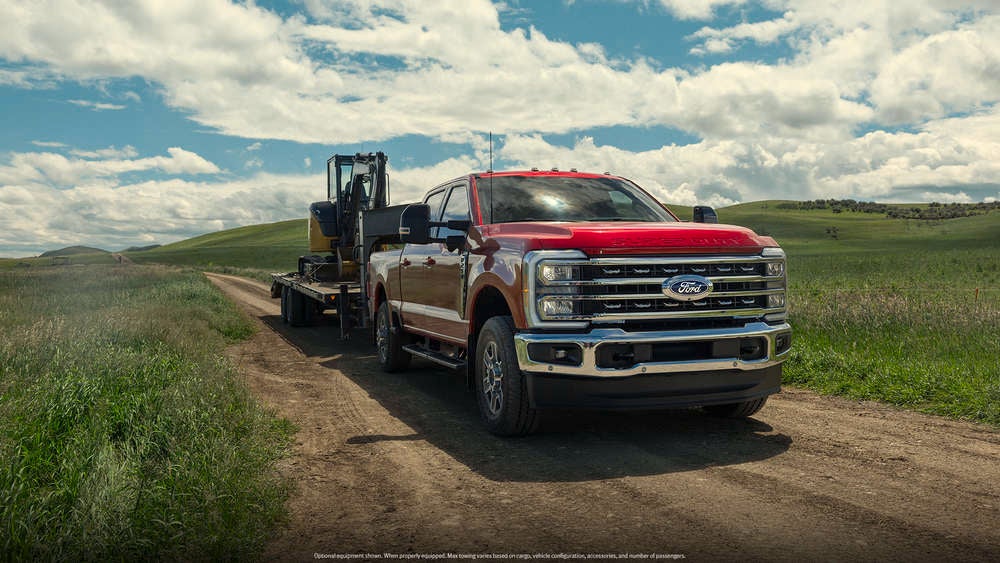
Ford lists a maximum available gas tow rating of 13,500 pounds for a properly equipped 2026 F-150 with the 3.5L EcoBoost® V6. Chevrolet lists a maximum available towing rating of 13,300 pounds for a properly equipped 2026 Silverado 1500. Those are model maximums, not ratings that apply to every truck in either lineup.
If you want to start with local options, Ryan Ford’s new Ford F-150 inventory, used truck inventory, Ford Blue Advantage vehicles, and trade appraisal tool can help you compare the ownership paths that fit your workday best. Specifications, pricing, availability, equipment, towing ratings, and payload ratings can vary by model year, trim, cab, bed, engine, drivetrain, axle ratio, package, and installed accessories, so confirm the exact details for the specific truck with Ryan Ford and Ford before making a decision.
Can the F-150 or Silverado Tow Your Real Load?
Towing capacity and payload are related, but they are not the same thing. Towing capacity refers to the weight a truck can pull behind it. Payload is the weight carried in the truck itself, including passengers, tools, cargo, bed accessories, and trailer tongue weight.
That distinction matters because a truck may have enough towing capacity for a trailer and still run short on payload once the cab and bed are loaded. It also matters because the highest tow rating in a lineup may come from a truck configured very differently from the one you want to drive every day.
Before comparing two trucks for towing, gather:
The trailer’s loaded weight, not just its empty weight
The estimated trailer tongue weight
The weight of passengers, tools, and bed cargo
How often you tow and the types of roads you use
Whether the truck needs a specific trailer package or hitch setup
Ford’s 2026 F-150 towing guide shows that the maximum 13,500-pound rating depends on the exact configuration and required equipment. Chevrolet’s 2026 Silverado 1500 trailering chart does the same for the Silverado 1500. In both cases, the real answer comes from the specific truck.
Which Cab, Bed, and Powertrain Setup Fits Daily Work Best?
Cab and bed choices change how a truck works every day. More rear-seat space can help if coworkers, family members, or secure in-cab storage are part of your routine. A longer bed may better fit materials, jobsite equipment, or recreational gear. A shorter setup may be easier to maneuver in parking lots, tighter job sites, or daily traffic.
The F-150 lineup gives shoppers several directions to compare, including trims such as XL, XLT, and Lariat, plus multiple engine choices depending on configuration. That matters because a truck used for weekday commuting and weekend towing may need a different setup than one that carries tools every day.
Think through these priorities before narrowing the field:
Rear-seat room for passengers or work gear
Bed length for tools, materials, or cargo
Drivetrain needs for your usual routes
Towing equipment for the trailer you plan to pull
Long-term service needs for the powertrain you choose
A new truck is not the only path worth comparing. A later-model used truck or a Ford Blue Advantage truck may also fit your daily work needs well if the configuration is right.
What Technology Helps Most on a Workday?
Useful truck technology should make regular tasks easier, especially if towing, backing into tight spaces, or working before sunrise and after sunset are part of your routine.
Ford offers available towing-focused features on the F-150, including Pro Trailer Backup Assist™ and related trailering technology depending on trim and equipment. Chevrolet offers its own available trailering tools, including Hitch Guidance and Hitch View on certain Silverado 1500 configurations.
If you want to compare the manufacturer details directly, Ford outlines current F-150 trailering tools on its F-150 payload and trailering page, while Chevrolet explains available hitch-alignment features through its Hitch Guidance support page.
For many drivers, the practical question is simple: will the truck’s available equipment actually help with the work you do most often? A hitch-alignment view may matter if you tow frequently. Bed lighting may matter if you load tools after dark. In-vehicle power features may matter if work equipment needs charging away from a building or job trailer.
Ford driver-assist and towing-assist features are designed to assist the driver. They do not replace attentive driving, proper loading, safe following distance, or the driver’s responsibility to control the vehicle.
What Should You Check Before Choosing a Specific Truck?
A general comparison is only the first step. Once you narrow your options, focus on the exact truck in front of you. Two trucks with the same model name can have very different towing, payload, and equipment details.
Before making a decision, review:
The truck’s exact engine, cab, bed, and drivetrain
The axle ratio and installed towing equipment
The payload label and trailering information
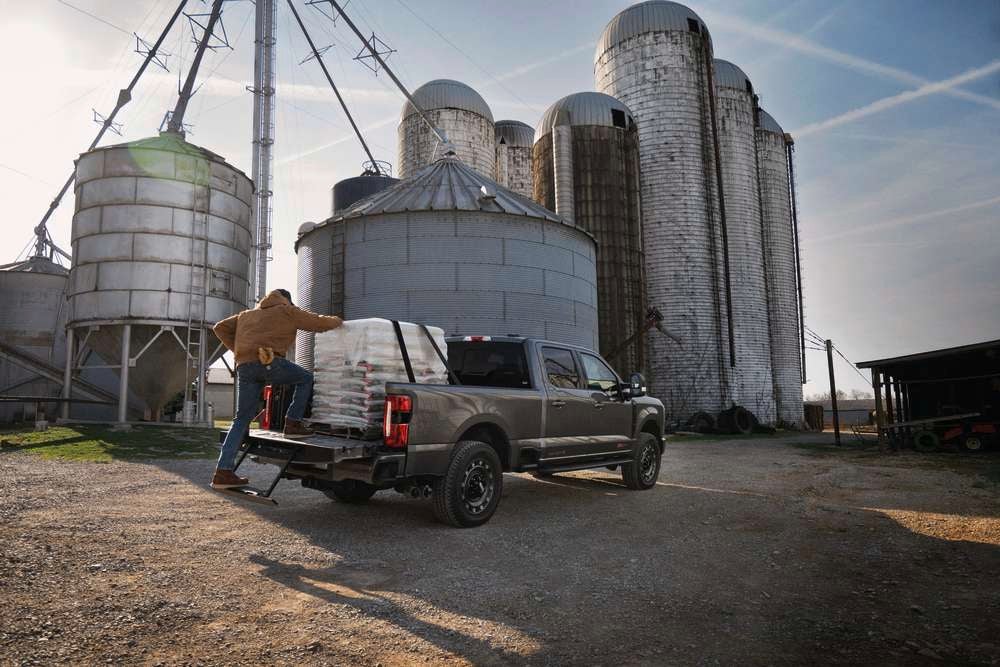
Bed access and loading height
Seat comfort, storage, and everyday visibility
Accessory weight if a toolbox, bed cover, or running boards are part of the plan
If long-term support matters to your ownership decision, Ryan Ford also offers online service scheduling, Ford Mobile Service, and Ford Pickup & Delivery for participating service visits.
Compare Configurations With Confidence
Review our Ford F-150 vs. Chevrolet Silverado options to focus on the cab, bed, powertrain, and equipment that fit your daily demands. Our team at Ryan Ford can help you compare vehicle-specific details and available F-150 configurations. When you are ready to discuss your truck needs, contact us for assistance. Confirm specifications, equipment, pricing, and availability for the specific vehicle before making your decision.
FAQs
How Do I Find the Towing Rating for a Specific Ford F-150?
Start with the truck’s exact configuration and installed equipment. The final rating depends on the engine, drivetrain, cab, bed, axle ratio, and trailering equipment on that specific truck.
Can I Use a Truck’s Maximum Tow Rating and Maximum Payload Rating at the Same Time?
Not necessarily. Trailer tongue weight counts against payload, along with passengers, cargo, and accessories. A maximum tow rating and a maximum payload rating may apply to different configurations.
What Information Should I Bring When Comparing Trucks for Trailer Towing?
Bring the trailer’s loaded weight, tongue-weight estimate, hitch type, cargo details, and the number of people who usually ride in the truck. That gives a much more useful starting point than comparing model names alone.
Should I Choose 4x2 or 4x4 for My Work and Driving Routes?
That depends on the surfaces and conditions you expect to handle most often. Jobsite access, unpaved property, trailer use, and daily commuting should all be part of the decision.
Do Accessories Such as Bed Covers, Toolboxes, and Running Boards Affect Payload?
Yes. Accessories add weight to the truck, which can reduce the remaining payload available for passengers, cargo, and trailer tongue weight.