
How to Choose Bridgestone Tires for Ford Vehicles If you are shopping for replacement Bridgestone tires for your Ford in Sealy, the right starting point is your specific vehicle, not just the model name. The correct tire should match the recommended size, load-carrying requirements, speed rating, and other fitment details listed for your exact Ford. A tire that fits the wheel physically is not automatically the right tire for the vehicle. For Ford trucks and SUVs, that matters because tire requirements can change by model year, trim, drivetrain, wheel size, cab, bed, package, and factory equipment. An F-150 XLT, Bronco Big Bend®, Explorer Active, Ranger XLT, or Super Duty XL may all require different tire specifications depending on how each vehicle was built. Before purchasing or installing replacement tires, confirm details for your specific Ford with Ryan Ford and applicable Ford owner documentation. Where Should You Start When Choosing Replacement Tires? Start with the information already on your vehicle. Ford owners should check the driver-side Tire and Loading Information label and the applicable owner documentation for the vehicle they actually drive. That is usually more useful than relying on a generic online size listing. Before comparing replacement tires, gather: Your Ford model year, model, and trim The tire size shown on the vehicle label Your current wheel diameter Whether you tow, haul, commute, or drive off pavement Any concerns such as uneven wear, vibration, or pressure loss If you want to begin your search locally, Ryan Ford offers a tire finder along with online service scheduling for tire-related appointments. What Tire Specifications Matter Most? Choosing the right replacement tire is about more than diameter. Tire size markings identify important details such as width, aspect ratio, construction type, wheel diameter, load index, and speed rating. These specifications work together. That is why Ford owners should not assume that a larger or different tire is automatically appropriate just because it can be mounted. A replacement tire should support the vehicle’s intended operation and match the needs of the specific configuration. A size or fitment change may affect: Speedometer readings Clearance around suspension or body components Ride quality and steering feel Braking and handling behavior Tire wear and compatibility with vehicle systems For Ford owners who want to review official owner materials, the Ford owner manuals and guides can help you look up model-specific information before you choose a replacement tire. How Does Driving Use Affect the Right Tire Choice? The right Bridgestone tire for a daily-driven Explorer may not be the right one for an F-150 that tows regularly or a Bronco that sees occasional unpaved roads. Tire choice should reflect how the vehicle is actually used. A Ford Escape or Explorer used mainly for commuting and family travel may place more emphasis on ride comfort, road manners, and predictable wet-road behavior. A Ranger or F-150 that sees more work use may require closer attention to load-carrying needs and tire condition under heavier use. A Super Duty used for jobsite duty or towing should be evaluated even more carefully because tire specifications play a role in supporting the truck’s intended workload. When comparing tire options, think about: Daily highway or city driving Frequent towing or hauling Passenger and cargo loads Light off-pavement use Noise, ride comfort, and tread preferences No single replacement tire is right for every Ford owner. The goal is to match the tire to the vehicle’s published requirements and your normal driving routine. Can Replacement Tires Change Towing or Payload Ratings? No. Replacement tires do not increase a Ford truck’s published towing, payload, GVWR, or GCWR ratings. Those ratings remain tied to the exact vehicle configuration and equipment. That is important for trucks like the F-150, Ranger, and Super Duty. Capability can vary by cab, bed, drivetrain, engine, axle ratio, trim, and package. Tires play an important supporting role, but they do not replace correct loading, proper trailer setup, or the vehicle’s published limits. Before towing or hauling, tire-related checks should include: Cold inflation pressure Tread condition across all tires Cuts, bulges, or sidewall damage Correct tire specifications and load requirements Uneven wear that may point to alignment or balancing concerns If your Ford is used for towing or heavier-duty work, Ryan Ford also offers Ford Mobile Service for certain maintenance needs and Ford Pickup & Delivery for participating service visits. When Should You Schedule Tire Service? A professional inspection makes sense when a tire issue shows up before you buy replacements. Uneven tread wear, vibration, pulling, repeated pressure loss, sidewall damage, or a tire-pressure warning may point to something beyond normal wear. These concerns can involve: Tire pressure Wheel condition Balancing Alignment Suspension wear Road-impact damage Routine tire care matters, too. Ryan Ford’s service team can help with tire selection and installation, and owners should follow the maintenance schedule in the owner’s manual for vehicle-specific service intervals. Ryan Ford also offers tire-related service support through current service and parts specials and its tire-care service options. Why Does a Vehicle Inspection Help Before Replacing Tires? An inspection can help separate a tire problem from a suspension or alignment problem. Replacing one worn or damaged tire may not solve the full issue if the vehicle has an underlying condition affecting tire wear. That is especially helpful for Ford owners who have: Frequent highway miles Recent towing or hauling use A vibration at speed Uneven wear across the tread Concerns after a pothole or road impact If you bring your model year, trim, current tire size, and a clear description of how you use the vehicle, the final recommendation can stay focused on fitment, condition, and everyday needs rather than guesswork. Find Tires That Match Your Ford Use our tool to narrow down Bridgestone tires in Sealy, TX for your truck or SUV. Ryan Ford can help you compare tire choices based on your vehicle’s recommended sizing and everyday driving needs. For questions about fitment or next steps, contact us and our team will be glad to help. Frequently Asked Questions Can I Choose Tires Based Only on the Size Printed on the Sidewall? Not always. The current tire size is useful, but the right replacement should still match the vehicle’s recommended specifications and intended use. Do Bigger Tires Automatically Improve Capability? No. A larger tire may change clearance, handling, wear, or system behavior, and it does not increase the vehicle’s published towing or payload ratings. Should I Have My Ford Inspected Before Buying New Tires? If you have uneven wear, vibration, pulling, or repeated pressure loss, an inspection is a smart step before replacing tires. Can Ryan Ford Help With Tire Service Beyond Installation? Yes. Ryan Ford offers tire-related service support, online scheduling, and certain mobile and pickup-and-delivery service options depending on the visit.
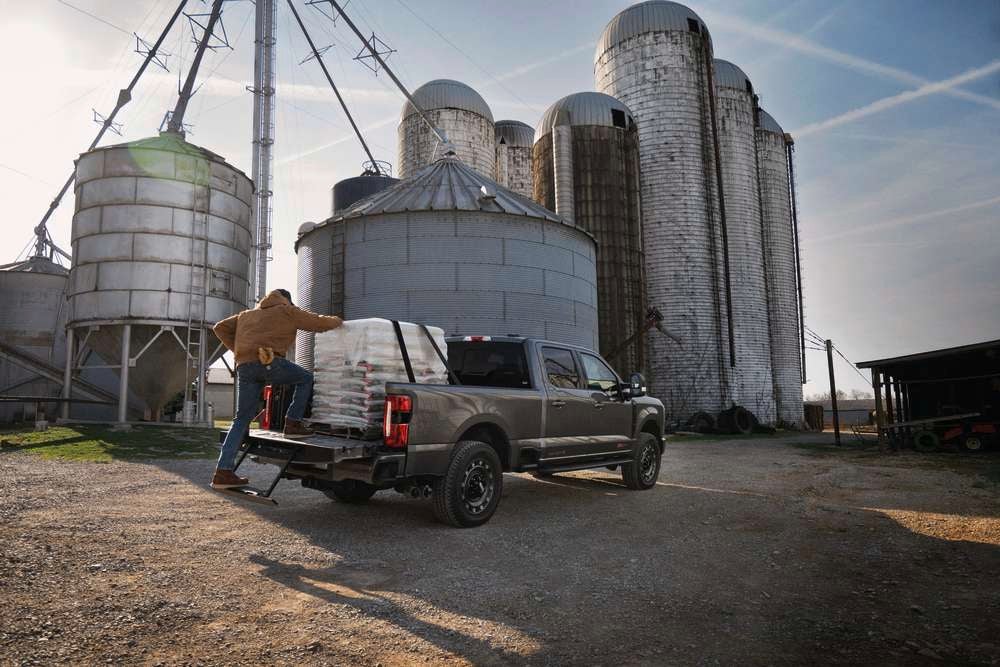
Commercial Ford Trucks: Selecting a Chassis Cab for Your Business
How to Choose a Ford Chassis Cab for Your Business The right Ford chassis cab starts with the work the finished truck needs to do. Before choosing a model, think about the body being installed, expected payload, towing needs, crew size, jobsite conditions, wheelbase requirements, and the GVWR range that fits the completed vehicle. For businesses in Sealy and along the I-10 corridor west of Houston, that can lead to very different answers. A service company, contractor, ranch operation, delivery business, and towing-related operation may all need very different chassis, cab, and upfit combinations. That is why the best place to start is the completed work truck, not just the badge on the front fender. If you want to compare current options, start with Ryan Ford’s new commercial inventory, then review the broader market through the used inventory. If you are replacing an existing work truck, Ryan Ford also offers a trade appraisal, and businesses planning their next purchase can begin with the online finance application. Specifications, pricing, availability, equipment, body compatibility, and final ratings can vary by model year, trim, engine, drivetrain, wheelbase, upfit, axle ratio, and configuration, so confirm details for the specific vehicle with Ryan Ford and Ford before making a decision. Which Ford Chassis Cab Models Should You Compare? Ford’s current chassis cab lineup gives commercial buyers several classes to compare. In the 2026 model year, Ford offers Super Duty Chassis Cab models in F-350, F-450, F-550, and F-600 form. Ford inventory and model resources also show XL and XLT trims across the lineup, depending on the model. A practical starting point looks like this: Model Applications & Considerations F-350 Chassis Cab • Good place to start for lighter commercial upfits • Often worth comparing for service-body, utility-body, flatbed, and contractor applications • Final suitability still depends on cab style, engine, drivetrain, wheelbase, and GVWR configuration F-450 Chassis Cab • Worth comparing for heavier-duty service and towing-focused commercial use • Can make sense when the body, trailer, or work equipment demands more than a lighter chassis F-550 Chassis Cab • Often researched for dump, utility, towing, and larger vocational-body needs • Should be matched carefully to upfit weight and axle needs F-600 Chassis Cab • Designed for heavier commercial applications • Worth comparing when body weight, equipment, and duty cycle move beyond lighter setups If you want to review Ford’s current chassis-cab lineup before narrowing your search, it helps to compare the 2026 Super Duty model information, the 2026 Super Duty Chassis Cab towing guide, and the 2026 Ford RV and Trailer Towing Guide. Why Does the Completed Truck Matter More Than the Chassis Alone? A chassis cab is only the starting point. Once a body, tools, mounted equipment, passengers, fuel, accessories, and trailer-related loads are added, the truck’s real-world needs can change quickly. That is why commercial buyers should focus on: The intended body type Installed body weight Tool and cargo weight Passenger count Trailer type and loaded trailer weight Route conditions and worksite access A service body filled with tools can change available payload. So can liftgates, compressors, ladder racks, tanks, winches, drawers, and other equipment. Trailer tongue weight also matters if the truck will tow. How Should You Think About GVWR, Payload, and Towing? GVWR means Gross Vehicle Weight Rating. It is the maximum allowed weight of the truck itself plus the body, fuel, passengers, tools, cargo, and installed equipment. Payload is what remains after the vehicle’s weight is accounted for. GCWR refers to the combined weight of the loaded truck and loaded trailer. For chassis-cab buyers, these terms are not abstract. They shape whether the completed truck actually fits the work. A few reminders matter here: A higher chassis class does not remove the need to calculate finished weight Axle ratings still matter after the body and equipment are installed Towing ratings must match the exact truck and its equipment Upfit weight can reduce available payload quickly Ford’s towing information should be read as configuration-specific guidance, not a blanket promise for every truck in the lineup. Cab style, engine, axle ratio, drivetrain, wheelbase, hitch equipment, and body weight all affect the final answer. How Do Cab, Wheelbase, and Upfit Planning Work Together? Cab choice affects more than seating. A Regular Cab may leave more room for body length. A SuperCab or Crew Cab may better suit a team that travels together. The right answer depends on how the truck will be used during a normal workweek. Wheelbase and cab-to-axle measurements are just as important. A flatbed, service body, dump body, enclosed body, or tow body has to fit the chassis correctly. The upfit provider’s requirements matter as much as Ford’s base chassis information. Before narrowing your search, it helps to bring a simple work-truck outline: Intended body type Estimated installed body weight Tools, equipment, and cargo weight Passenger count Expected trailer weight Space needs for turning, parking, and jobsite access Future equipment plans if the business may grow into a heavier setup That preparation usually leads to a better commercial-truck decision than starting with a model name alone. What Powertrain and Worksite Features Should You Compare? Powertrain choice should support the work, not just the highest output figure. A truck that tows regularly, idles often, or carries heavy equipment all day may need a different setup than one used for lighter service calls or shorter local routes. Commercial buyers should compare: Engine availability for the specific chassis Drivetrain configuration PTO-related needs, if applicable Transmission and equipment compatibility Towing-related technology that may support daily work Available driver-assistance and towing-related systems are designed to assist the driver, but they do not replace attentive driving, proper loading, maintenance, or safe worksite practices. Can Service Planning Affect the Right Chassis-Cab Choice? Yes. Choosing the right work truck is also about how it will be maintained over time. A truck that fits your workload more closely can be easier to keep on schedule for routine service, inspections, and tire or brake wear management. If service convenience matters to your business, Ryan Ford also offers online service scheduling, Ford Mobile Service, and Ford Pickup & Delivery for participating service visits. Find a Chassis Cab That Fits Your Work Browse commercial Ford trucks in Sealy, Texas to compare Ford models and begin narrowing down the right starting point for your operation. At Ryan Ford, our team can help you consider the vehicle details that matter for your planned upfit and daily demands. For help with your next steps, contact us to discuss your needs. Please confirm specifications, equipment, pricing, and availability for the specific vehicle before making a decision. Frequently Asked Questions What Is the Difference Between a Chassis Cab and a Pickup Truck? A pickup usually includes a factory cargo bed. A chassis cab is designed to receive a vocational body or specialized commercial equipment. How Do I Know Which GVWR My Business Needs? Start with the completed vehicle weight, not the empty chassis. Include the body, tools, cargo, fuel, passengers, accessories, and expected trailer-related loads. Can a Chassis Cab Be Used for Towing and Carrying Equipment? Many chassis-cab configurations can be equipped for both, but ratings vary significantly by engine, cab, drivetrain, axle ratio, wheelbase, body weight, and installed equipment. Should I Choose the Upfit Before Choosing the Truck? Yes. The intended body and equipment should be identified early because cab-to-axle length, wheelbase, GVWR, axle ratings, and equipment needs can all affect which chassis is appropriate.