
Blog / Ford Dealership

Understanding Ford Mustang Shelby Models for Used-Car Shoppers

Ford Mustang

Used Shelby Mustang Buyer’s Guide for Sealy


A used Shelby Mustang is not one single type of car. Factory-built GT350, GT350R, and GT500 models were designed for different kinds of performance, so the right choice depends on the exact model year, powertrain, transmission, equipment, condition, and maintenance history of the vehicle in front of you.


For shoppers in Sealy and along the I-10 corridor west of Houston, the first question is how you want to use the car. Some drivers want a manual-transmission weekend car. Others care more about straight-line acceleration, track-focused hardware, or a high-performance Mustang that can still feel manageable on regular roads. This guide focuses on the 2015 to 2022 factory Ford Shelby models (GT350, GT350R and GT500) rather than Mustangs with aftermarket Shelby-style parts. Ford also built the Shelby GT500 for the 2007 to 2014 model years, with different engines and output, so confirm the exact model year of any GT500 you are considering. Before making a decision, confirm the VIN, original equipment when available, maintenance records, and overall condition of the specific vehicle. Pricing, availability, equipment, and condition can vary by vehicle, so confirm the details with Ryan Ford and applicable Ford documentation.


Which Shelby Models Should You Compare First?


The best place to start is with the factory lineup and the type of driving experience each model was built to deliver.


Shelby Mustang Snapshot


If you want to compare available pre-owned options locally, start with Ryan Ford’s used vehicle inventory and the available Ford Blue Advantage vehicles. The best comparison is always between specific vehicles, not just model names.


How Should You Choose Between a GT350, GT350R, and GT500?


The answer usually comes down to transmission preference, driving goals, and condition.


A GT350 or GT350R may fit a shopper who wants a more hands-on driving experience, since both use a factory 6-speed manual transmission. If driver involvement is high on your list, clutch engagement, shift quality, and service history deserve close attention.


The 2020 to 2022 GT500 takes a different approach. Ford paired it with a supercharged 5.2L V8 and a 7-speed dual-clutch transmission, so the ownership questions change. Instead of focusing on clutch pedal feel, buyers should pay close attention to service documentation, operating condition, and whether the car has been modified or tuned.


A practical breakdown can help.


Before narrowing the field, it can help to review Ford’s Shelby GT350 and GT350R technical specifications, the 2020 Mustang technical specifications, and the 2022 Mustang technical specifications so you can compare the official Ford figures that apply to these generations.


Why Do Condition and Originality Matter So Much?


With a used performance car, the badge alone does not tell the full story. A lower odometer reading can look appealing, but service history, original components, proper repairs, and careful ownership often tell you more.


That is especially important for a used Shelby. Performance cars can look excellent on the outside while still needing attention in areas that are harder to spot during a quick walkaround.


Before buying, we recommend checking:


  • VIN and model-year confirmation

  • Available window sticker or build documentation

  • Maintenance invoices and repair records

  • Open recalls and service campaign status

  • Tire age, tread wear, and uneven wear patterns

  • Brake-pad, rotor, and fluid condition

  • Cooling-system condition and signs of leaks

  • Clutch or transmission operation, depending on model

  • Suspension wear, battery health, and stored diagnostic issues


Modifications do not automatically rule out a car, but they should be documented and evaluated carefully. Ask whether original parts are included and whether any tuning, emissions-related changes, suspension work, wheel changes, or exhaust changes were made.


What Should You Think About Before Ownership Begins?


A performance Mustang can carry different maintenance and wear-item needs than a standard Mustang. Tires, brake components, fluids, and cooling-related service should be evaluated with the exact model year and configuration in mind.


That is why ownership planning matters just as much as the test drive. If you are comparing vehicles seriously, it may help to prepare with a trade appraisal for your current vehicle and review service support options such as online service scheduling, Ford Mobile Service, and Ford Pickup & Delivery for participating service visits.


It is also worth reviewing:


  • Remaining warranty coverage, if any

  • Whether the vehicle is part of a Ford Blue Advantage program tier, if applicable

  • Insurance expectations for the specific vehicle

  • Parts and maintenance history for that model year

  • Financing details for the individual vehicle


How Can You Shop More Confidently in Sealy?


The right used Shelby Mustang depends on much more than whether the badge says GT350, GT350R, or GT500. It depends on the exact vehicle’s originality, service history, configuration, and how well it matches the driving experience you want.


If your goal is a manual performance car, the GT350 and GT350R may deserve more attention. If your goal is later-model factory output and a different transmission experience, the GT500 may be the better fit to research. In every case, the smartest move is to compare the exact vehicle rather than assume every example of the same model has been maintained or equipped the same way.


Compare Shelby Options With Confidence


Browse the Ford Mustang Shelby in Sealy, TX resources to continue narrowing down the features and model characteristics that matter most to you. At Ryan Ford, we can help you discuss questions about a specific vehicle’s equipment, history, and suitability for your plans. When you are ready for personalized assistance, contact us to speak with our team. Please confirm pricing, availability, equipment, and vehicle-specific details before making your decision.


Frequently Asked Questions


How Can I Tell if a Used Shelby Is a Factory Model?


Start with the VIN, original documentation when available, and the vehicle’s equipment details. Those are more reliable than appearance parts alone.


Should I Avoid a Modified Shelby?


Not automatically. The better question is whether the changes were documented properly, installed correctly, and fit your ownership goals. Original parts and service records can add useful context.


Is the GT350 Better if I Want a Manual Transmission?


For shoppers who want a factory manual-transmission Shelby, the GT350 and GT350R are the natural place to start. The 2020 to 2022 GT500 uses a factory dual-clutch transmission instead, while the 2007 to 2014 GT500 used a 6-speed manual.


Does a Lower-Mileage Shelby Always Make More Sense?


Not always. Lower mileage can be appealing, but documented maintenance, proper repairs, condition, and originality can matter just as much when you are comparing used performance cars.

Posted in:

Related Posts

Ford Ownership

Can Ford Ownership Deliver Long-Term Reliability?

Ford Reliability: What Owners Should Consider Long Term If you are asking whether Ford is reliable for the long haul, the practical answer is that long-term reliability depends on the specific vehicle, how well it matches your needs, and whether it receives the maintenance its model year and configuration require. No brand or vehicle delivers the same result for every driver. For drivers in Sealy and along the I-10 corridor west of Houston, that means looking beyond a broad brand reputation. An F-150 used for regular towing may need a different ownership plan than an Explorer used mainly for commuting and family travel. A Maverick XLT Hybrid, an Escape Active, or a Ford Blue Advantage vehicle may also fit different routines in very different ways. Why Is Ford Reliability a Vehicle-Level Question? Long-term reliability is best judged one vehicle at a time. Model year, trim, drivetrain, engine or powertrain, mileage, service history, and daily use all matter. A Ford that fits your routine is usually easier to maintain realistically over time than one that is asked to do more than its configuration was designed to handle. Before choosing a vehicle, it helps to consider: How far you drive in a typical week Whether you tow, haul cargo, or carry work equipment How many passengers and how much cargo space you need Whether your routine includes stop-and-go driving, idling, or long highway trips Which maintenance needs come with your chosen engine or powertrain If you are comparing pre-owned options, Ryan Ford’s used Ford inventory and Ford Blue Advantage selection can help you compare vehicles with different histories, features, and ownership paths. How Do You Choose the Right Ford for Long-Term Ownership? The right vehicle is not simply the one with the most equipment. It is the one that fits your daily demands without placing unnecessary strain on the vehicle over time. A helpful way to compare: Ownership Need Ford Vehicles to Research What to Confirm Work, hauling, or towing F-150 XL, F-150 XLT, Ranger XLT, Super Duty trims Cab, bed, engine, drivetrain, axle ratio, towing equipment, and payload details Family transportation Explorer Active, Explorer ST-Line, Escape Active Seating layout, cargo flexibility, passenger needs, and maintenance planning Frequent commuting Maverick XLT Hybrid, Escape, other efficient Ford options Powertrain, mileage patterns, fuel-use expectations, and routine service needs Used or certified shopping Ford Blue Advantage vehicles Service records, vehicle history, recalls, and applicable coverage terms If you plan to tow or haul often, verify capability details for the exact vehicle. Towing and payload information can vary by model year, trim, engine, drivetrain, cab, bed, axle ratio, package, and installed equipment. The same is true for available technology, driver-assist features, and warranty or coverage details. What Role Does Routine Service Play? Routine service is one of the most practical ways to support long-term reliability. Ford owners should follow the maintenance information for the vehicle’s specific model year and configuration and use the owner’s manual and Ford owner resources as the guide. Depending on the vehicle and how it is used, service may include: Oil and filter service where applicable Tire inspections and rotations Brake inspections Fluid checks Battery testing Filter replacement Inspections related to towing, hauling, heavy cargo, or frequent idling Service needs are not identical for every Ford. Age, mileage, climate, road conditions, and driving habits all affect what the vehicle may need over time. If service convenience matters to your ownership plan, Ryan Ford offers ways to help owners stay on schedule, including the ability to schedule service online, use Ford Mobile Service where available, and request Ford Pickup & Delivery for participating service visits. Why Should You Research the Exact Vehicle Before Buying? Whether you are considering a new Ford, a used Ford, or a Ford Blue Advantage vehicle, it is important to research the exact unit rather than rely on general model information. The VIN, available history reports, maintenance records, and installed equipment can all affect long-term ownership. Before making a decision, we suggest verifying: Model year, trim, drivetrain, engine, or powertrain VIN-specific equipment and installed packages Available maintenance records and vehicle history information Open recalls and applicable coverage details Vehicle-specific capability, condition, and technology features Driver-assist systems may be available on certain Ford vehicles depending on the model year and equipment. These systems are designed to assist in certain driving situations, but they do not replace an attentive driver, safe driving practices, or the driver’s responsibility to control the vehicle. Find a Ford That Fits Your Ownership Goals If you are still asking is Ford reliable, compare Ford Certified vehicles with their available history, warranty coverage, and inspection information in mind. At Ryan Ford, we can help you narrow your search based on the features and ownership priorities that matter to you. Contact us with questions about a specific vehicle, and confirm current pricing, availability, and equipment before making your decision. Frequently Asked Questions How Can I Check a Used Ford’s Maintenance History? Ask to review available vehicle history information and maintenance records. It is also helpful to compare those records with the maintenance schedule in the owner’s manual and check for any open recalls. Where Can I Find the Correct Maintenance Schedule for My Ford? Use the owner’s manual and Ford owner resources for your vehicle’s model year. The recommended schedule may differ by model, powertrain, mileage, and operating conditions. How Can Ford Blue Advantage Help Me Compare Used Ford Options? Ask which Ford Blue Advantage program tier applies to the specific vehicle and request the applicable program documentation. That can help you understand the vehicle’s certification status and any coverage terms that may apply. How Can I Confirm Which Driver-Assist Features a Used Ford Has? Review the VIN-specific equipment information, any available window sticker information, and the owner’s manual for that model year. Feature availability and operation can vary by vehicle, trim, package, and configuration.

Ford F-250

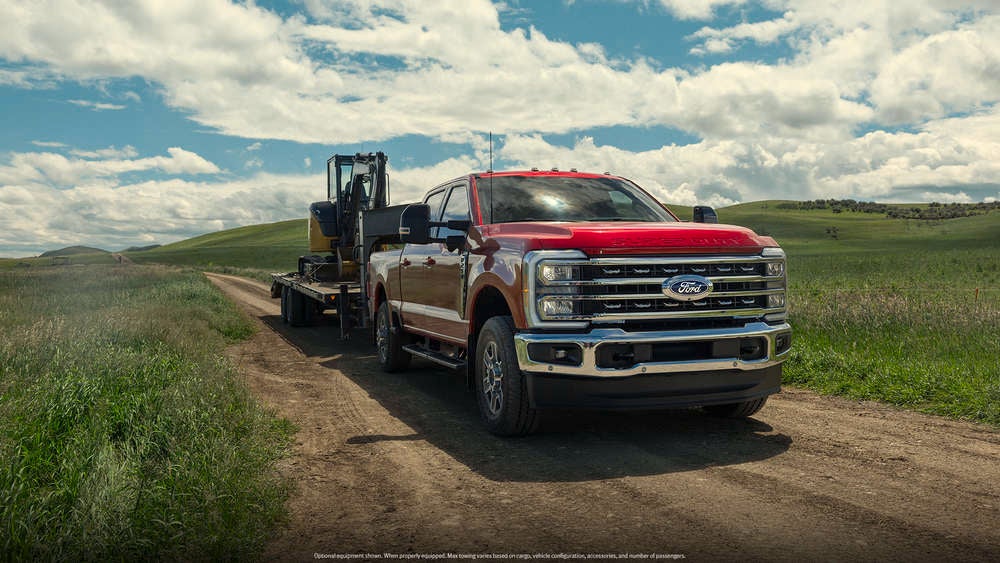
Understanding Ford F-250 Super Duty Powertrains for Towing

Ford F-250 Super Duty Towing Powertrain Overview If towing is one of your main reasons for shopping a heavy-duty truck in Sealy, the right 2026 Ford F-250 Super Duty powertrain depends on more than horsepower or torque alone. Your loaded trailer weight, hitch type, cargo, passengers, axle ratio, cab style, bed length, drivetrain, and factory towing equipment all affect the rating of a specific truck. For a current-model overview, Ford lists four 2026 Super Duty engine choices. The 6.8L gas V8 is rated at 405 horsepower and 445 lb.-ft. of torque. The available 7.3L gas V8 is rated at 430 horsepower and 485 lb.-ft. of torque. The available 6.7L Power Stroke® V8 Turbo Diesel is rated at 475 horsepower and 1,050 lb.-ft. of torque. The available High-Output 6.7L Power Stroke® V8 Turbo Diesel is rated at 500 horsepower and 1,200 lb.-ft. of torque. Those figures give you a useful starting point, but the correct towing answer always comes from the exact truck and the exact trailer you plan to use. If you want to compare available trucks locally, start with Ryan Ford’s new Ford inventory, then review the used truck inventory and Ford Blue Advantage vehicles. Specifications, pricing, availability, and equipment can vary by model year, trim, package, drivetrain, cab, bed, axle ratio, and configuration, so confirm the details for the specific truck with Ryan Ford and Ford before making a final decision. What Powertrains Are Available in the 2026 F-250 Super Duty? Ford’s current Super Duty information gives F-250 shoppers a clear engine lineup to compare. Engine Horsepower Torque Key Details 6.8L Gas V8 405 hp 445 lb.-ft. Standard on F-250 XL 7.3L Gas V8 430 hp 485 lb.-ft. Available on XL and XLT 6.7L Power Stroke® V8 Turbo Diesel 475 hp 1,050 lb.-ft. Designed for heavier-duty towing High-Output 6.7L Power Stroke® V8 Turbo Diesel 500 hp 1,200 lb.-ft. Available on select configurations Ford’s 2026 Super Duty model overview, the F-250 XL model details, and the 2026 Super Duty technical specifications are useful places to review those current engine figures. Why Does the Whole Truck Matter More Than the Engine Alone? A higher torque figure does not mean every diesel F-250 tows the same amount. Ford towing ratings are configuration-specific. That means the final number depends on the truck’s engine, axle ratio, drivetrain, cab, bed, hitch setup, payload, and other factory equipment. For example, one F-250 Crew Cab 4x4 with diesel power may be configured very differently from another F-250 Regular Cab 4x2 with a gas engine. Even though both wear the same nameplate, their towing ratings, payload ratings, and trailer suitability can be very different. That is why the most useful towing comparison includes: Your trailer’s fully loaded weight, not just its empty weight Conventional tongue weight or fifth-wheel pin weight Passenger and cargo weight in the truck Hitch type and trailer brake setup Typical route, grades, and towing frequency Ford’s 2026 Super Duty towing guide makes the same point. Maximum towing figures apply only to properly equipped vehicles and vary based on configuration, cargo, accessories, and the number of passengers. Should You Choose a Gas or Diesel F-250? That depends on how often you tow, how heavy the trailer is, and how you use the truck the rest of the week. A gas F-250 can make sense if your work or recreation involves lighter trailers, occasional towing, or a preference for a gas-engine setup. The 6.8L gas V8 gives you the standard starting point, while the available 7.3L gas V8 is worth comparing if you want added gas-engine output. A diesel F-250 may deserve a closer look if your routine includes frequent towing, heavier equipment trailers, or longer hauling distances. The available 6.7L Power Stroke® diesel and the High-Output version bring much higher torque figures, but the truck still has to be matched to the trailer correctly. For many Sealy-area towing decisions, the better question is not simply gas or diesel. It is which exact truck fits the trailer, the cargo, the route, and the frequency of use. What Towing Equipment Should You Compare With the Powertrain? A capable engine is only part of a safe towing setup. The rest of the truck matters just as much. Trailer brakes, hitch equipment, mirrors, tire choice, cargo placement, and payload all affect the real towing experience. Ford also offers available towing-focused technology on current Super Duty trucks, including features such as Pro Trailer Backup Assist™, Pro Trailer Hitch Assist™, and Onboard Scales with Smart Hitch on certain configurations. These systems are designed to assist the driver, not replace attentive driving, proper loading, or correct trailer setup. If you expect to tow often, it helps to review: Hitch type and trailer connection requirements Trailer brake controller availability Mirrors and visibility needs Payload label information Tire and wheel setup Bed length if fifth-wheel or gooseneck towing is part of the plan If you are trading out of your current truck before moving into a different towing setup, Ryan Ford’s trade appraisal tool can help you prepare for the next step. How Should You Confirm the Right F-250 Setup? The best way to confirm a towing setup is to compare the exact truck, the exact trailer, and the exact equipment together. Door-jamb labels, the towing guide, the owner’s manual, and the truck’s installed equipment matter more than a broad lineup maximum. This is especially important for shoppers comparing: Regular Cab, SuperCab™, and Crew Cab layouts 4x2 and 4x4 drivetrains Different bed lengths Gas and diesel powertrains Conventional towing versus fifth-wheel or gooseneck towing If ownership support matters after the purchase, Ryan Ford also offers online service scheduling, Ford Mobile Service, and Ford Pickup & Delivery for participating service visits. Compare Powertrain Options With Confidence Review the Ford F-250 Super Duty in Katy to compare available configurations and focus on the equipment that fits your towing needs. Our team at Ryan Ford can help you narrow down the powertrain, cab, bed, and available towing equipment to consider. When you are ready to discuss your truck needs, contact us for personalized assistance. Frequently Asked Questions Which 2026 F-250 Engine Has the Most Torque? The available High-Output 6.7L Power Stroke® V8 Turbo Diesel has the highest published torque figure in the 2026 F-250 lineup at 1,200 lb.-ft. Torque alone does not determine the truck’s final towing rating. Is the 7.3L Gas V8 Better Than the 6.8L Gas V8 for Towing? Not automatically. The 7.3L gas V8 has higher published output, but the better choice depends on the exact truck configuration, trailer weight, payload needs, and how often you tow. Do I Need Diesel for Every Heavy Trailer? Not always. Some gas-engine F-250 configurations may fit certain towing needs well. The correct answer depends on the exact trailer, loading, route, and the truck’s published rating. Why Should I Bring My Trailer Details Before Comparing Trucks? Because loaded trailer weight, tongue or pin weight, passengers, cargo, hitch equipment, and route conditions all affect whether a specific F-250 configuration fits your towing needs.

Ford Bronco

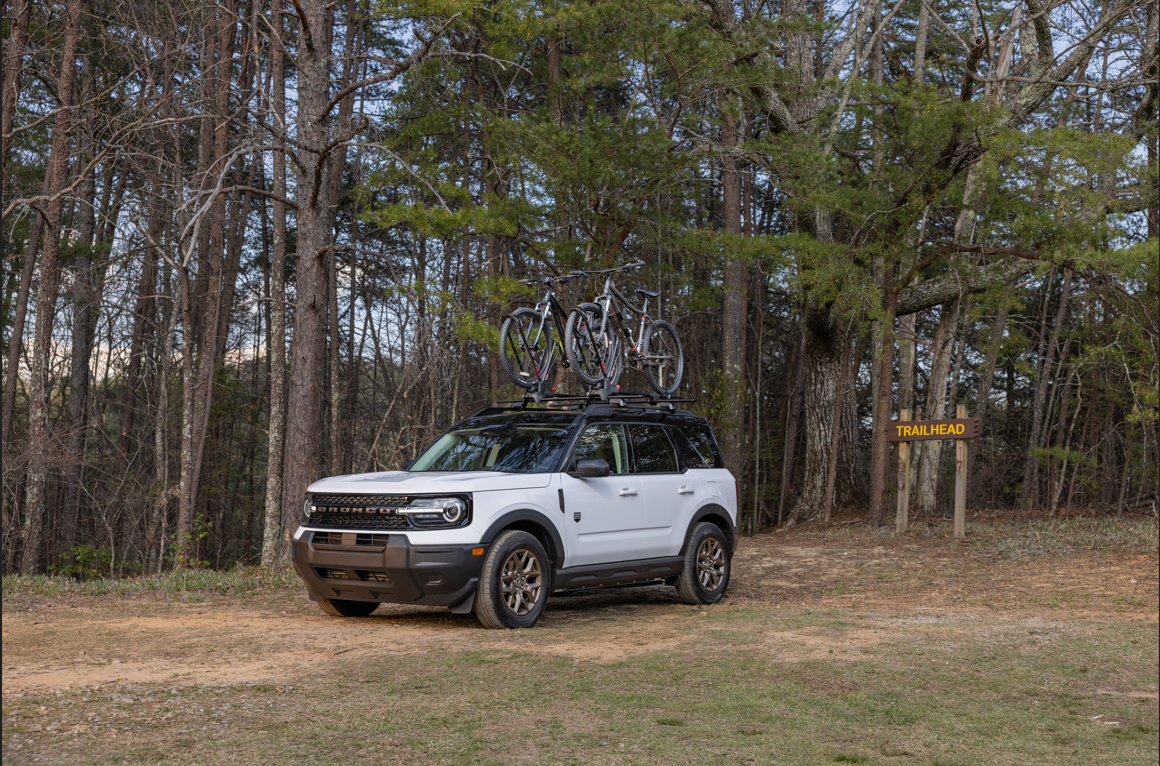
Should You Choose a Ford Bronco or Jeep Wrangler for Texas Trails

Ford Bronco Vs. Jeep Wrangler for Texas Off-Roading For drivers in Sealy and along the I-10 corridor west of Houston, the better off-road SUV depends on where you actually plan to drive and how often the vehicle will also be used on pavement. In a current-model comparison, the 2026 four-door Ford Bronco Big Bend® with the 2.3L EcoBoost® engine is rated at 300 horsepower and 325 lb.-ft. of torque. Ford also lists the available 2.7L EcoBoost® V6 at 315 horsepower and 410 lb.-ft. of torque on regular fuel, or 330 horsepower and 415 lb.-ft. of torque on premium fuel. Jeep lists the 2026 Wrangler 3.6L V6 at 285 horsepower and 260 lb.-ft. of torque, and the available 2.0L turbo I4 at 270 horsepower and 295 lb.-ft. of torque. The Wrangler Moab 392 offers a 6.4L V8 rated at 470 horsepower and 470 lb.-ft. of torque. That does not make one SUV automatically better for every driver. It does show why engine choice, body style, roof style, tires, and trail equipment all need to be compared before you decide between the Bronco and Wrangler. If you want to start with local options, Ryan Ford’s new Ford inventory, used inventory, and Ford Blue Advantage vehicles can help you compare different ownership paths. Specifications, pricing, availability, and equipment can vary by model year, trim, package, and configuration, so confirm the exact details for the specific vehicle with Ryan Ford and Ford before making a final decision. What Makes the Bronco and Wrangler Different? The biggest difference is not just the badge. It is how each SUV is configured for your real use. The Bronco lineup gives Sealy shoppers several distinct trims to compare, including Base, Big Bend®, Outer Banks®, and Badlands®. Jeep’s Wrangler lineup also changes substantially by trim, engine, body style, and equipment. That matters because a daily-driven four-door SUV with cargo and passenger needs may point you in a different direction than a more specialized off-road build. A quick current snapshot: If cargo flexibility matters for camping gear, coolers, recovery equipment, or family travel, the Bronco has an advantage in published cargo volume in comparable four-door configurations. How Should You Compare Trail Equipment? Trail capability needs to be judged by the exact SUV, not by broad model reputation. Ground clearance, tire size, wheelbase, breakover angle, roof style, and underbody protection can all change by trim and body style. That is why it helps to review the exact Bronco configuration you want before focusing on one headline claim. A Bronco Big Bend® and a Bronco Badlands® are not the same vehicle in practice, just as one Wrangler configuration can be very different from another. When narrowing the comparison, focus on: Tire type and tire size Four-wheel-drive hardware for the specific trim Ground clearance and off-road angles where published Roof and door configuration Cargo space for the gear you actually carry Passenger room if the SUV will be used beyond weekend trail trips If you want to review official model details before test-driving, it helps to compare the 2026 Bronco Big Bend® model details, the 2026 Bronco technical specifications, and the 2026 Jeep Wrangler specifications. What Matters Most for Daily Driving in Sealy? Even an off-road SUV spends most of its life on regular roads. That means daily comfort, visibility, rear-seat access, cargo organization, and ease of parking deserve just as much attention as trail hardware. For many Sealy drivers, the right SUV is the one that feels manageable on local roads during the week and still fits weekend recreation plans. If most of your miles will happen on pavement, pay close attention to: Rear-seat access Cargo loading height Roof and door storage needs Wind and road noise How easy the vehicle is to park and load Open-air driving can be part of the appeal for both lineups, but removable roof panels and doors also bring practical questions. You may need storage space at home, time to remove or reinstall components, and a realistic plan for how often you will actually use those features. How Should You Think About Ownership After the Trail? Trail use can change what you inspect and maintain. After off-road driving, it is smart to check tires, wheels, underbody areas, lights, cameras, and any parts exposed to mud, rocks, or debris. The owner’s manual remains the best guide for model-specific operating and maintenance information. Accessories deserve the same level of planning. Tires, roof gear, towing equipment, and added weight can affect handling, visibility, payload, and other limits. The exact impact depends on the vehicle and equipment. If service support is part of your ownership plan, Ryan Ford also offers ways to help maintain your vehicle over time, including online service scheduling, Ford Mobile Service, and Ford Pickup & Delivery for participating service visits. Compare Your Trail-Ready Options Use our Ford Bronco vs. Jeep Wrangler research to revisit the features and ownership considerations that matter most to your plans. At Ryan Ford, we can help you narrow your choices around the equipment and configuration you prefer. When you are ready for more vehicle-specific guidance, contact us to discuss your next steps. Frequently Asked Questions Is the Bronco More Powerful Than the Wrangler? It depends on the engines being compared. Ford lists the 2026 Bronco Big Bend® 2.3L EcoBoost® at 300 horsepower and 325 lb.-ft. of torque, compared with 285 horsepower and 260 lb.-ft. for the Wrangler 3.6L V6. The Wrangler Moab 392's 6.4L V8 is rated higher, at 470 horsepower and 470 lb.-ft. Compare the exact versions you are considering. Does the Bronco Offer More Cargo Space Than the Wrangler? In the published four-door figures referenced here, yes. Ford lists up to 38.3 cubic feet behind the rear seats and up to 83.0 cubic feet maximum in a four-door soft-top Bronco, while Jeep lists 31.7 cubic feet behind the rear seats and 72.4 cubic feet with the rear seats folded in the four-door Wrangler. Should I Compare a Bronco Big Bend® or a Bronco Badlands® to a Wrangler? That depends on how serious your off-road plans are and how often the SUV will also be used for commuting, travel, or cargo. Big Bend® and Badlands® serve different priorities, so it helps to compare the specific trim that matches your routine. Can Accessories Change Capability? Yes. Tires, roof equipment, towing gear, and other accessories can affect handling, weight, visibility, and vehicle-specific limits. Confirm specifications, pricing, availability, and equipment for the exact Bronco or Wrangler you are considering, because details can vary by model year, trim, package, and configuration.