Blog

All Ford Dealership
Ford Maintenance

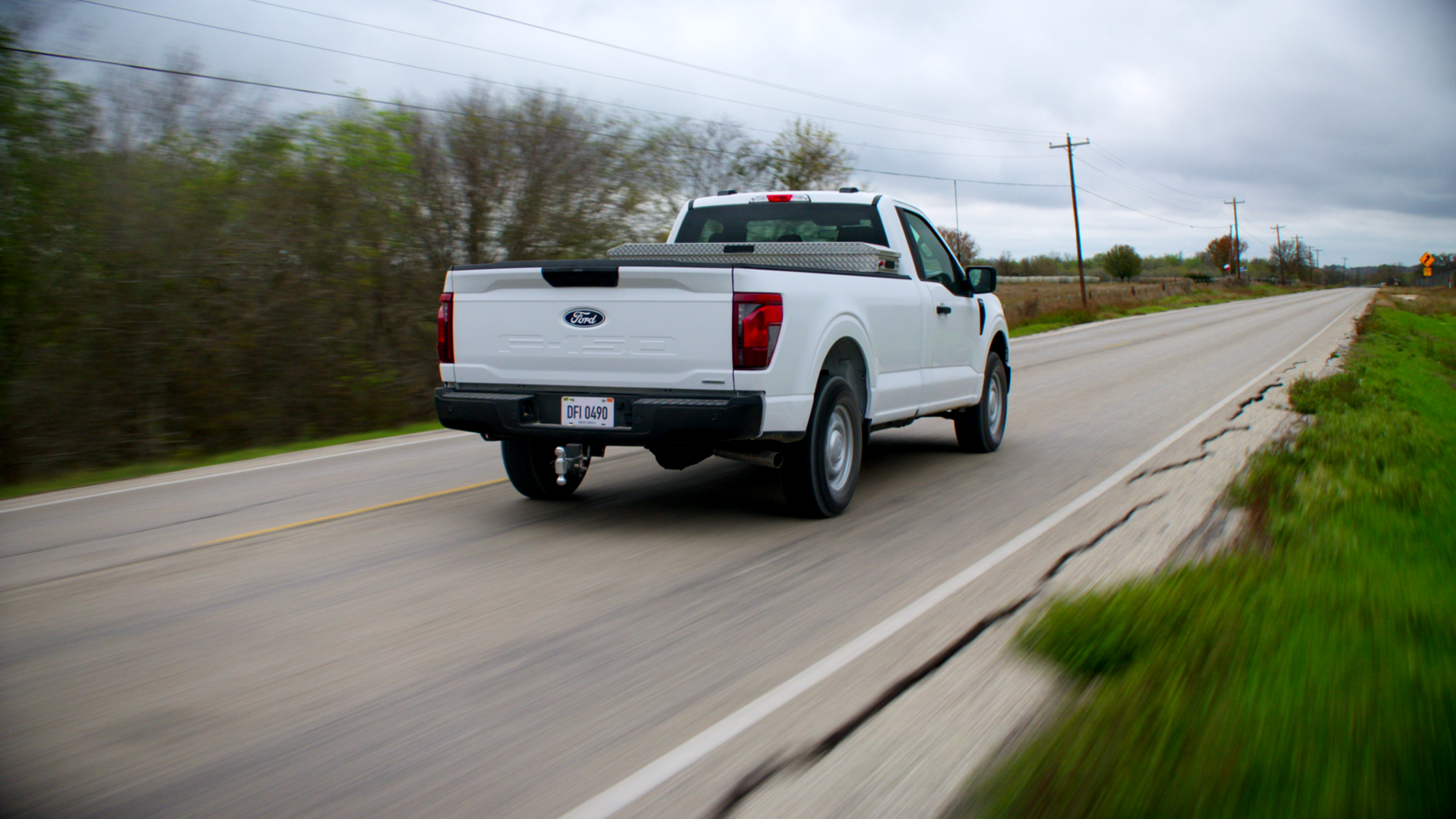
Ford Maintenance: Routine Service and When to Schedule It

Ford maintenance should follow the schedule for your exact vehicle. In most cases, that means checking your Ford Owner's Manual or Maintenance Schedule by VIN and model year, then scheduling service sooner if your vehicle shows a warning light, service message, or another noticeable change in how it starts, drives, or stops. Ford owner resources include Warranty & Owner Manuals and Maintenance Schedule tools, and the Ford app can help you stay on top of scheduled maintenance messages and service scheduling. At Ryan Ford, we help drivers from Sealy, Katy, and the greater Houston area sort through those details when it is time for service. A vehicle-specific plan is more useful than relying on one general mileage number for every Ford. Find Your Ford Maintenance Schedule by VIN and Model Year No two Ford maintenance plans are exactly alike. The right guidance depends on your vehicle's model year, powertrain, mileage, and operating conditions. Ford's owner support resources are the best starting point because they are tied to Ford documentation for your vehicle. If you want local help setting up your next visit, you can also review our online service scheduling page before coming in. Before your visit, it helps to gather a few basics: Your VIN Current mileage Any recent dashboard warning lights or service messages Notes about changes in performance, braking, steering, starting, or ride quality Your recent service history, if available Keeping a simple record of completed services, inspection findings, and recurring concerns can make future visits easier. It also gives your service team a clearer picture of what your Ford has experienced over time. What Routine Ford Service May Include Routine maintenance is not just one item under the hood. Depending on your Ford's maintenance schedule, condition, and mileage, service may include oil and filter changes, tire rotation, brake inspection, battery checks, fluid checks, and other inspection items. Ryan Ford's Ford Mobile Service page lists oil and filter changes, brakes, batteries, tire rotations, and more among the services that may be available remotely, while current service and parts offers also reference common maintenance items such as brake inspection, battery testing, filter checks, and fluid top-off. Mobile Service availability depends on the service needed, location, distance and dealer scheduling. Confirm eligibility with Ryan Ford. That is why each visit should center on your exact vehicle and its current condition rather than a generic checklist copied from another model. If you need parts as part of a repair or maintenance visit, you can also review Ryan Ford's Ford parts resources in advance. Schedule Service When Something Changes A planned maintenance visit is important, but some concerns should be checked before your next scheduled interval. If your Ford starts, drives, stops, handles, or communicates differently than usual, it is worth scheduling an inspection. Pay attention to issues such as: A dashboard warning light or service message Unfamiliar noises or vibrations Fluid spots where you park Difficulty starting Changes in brake feel Uneven tire wear Wipers or exterior lights that no longer work as expected Your Owner’s Manual explains the indicators, warning messages and required actions for your specific Ford. Some warnings require immediate action rather than a routine appointment. If the vehicle displays a stop-driving instruction, or braking or steering becomes unsafe, stop as soon as it is safe and arrange assistance. Follow the manual’s instructions before continuing to drive. Plan Ahead for Texas Driving Conditions In Sealy, Katy, and the West Houston area, heat, humidity, traffic, and travel routines can all affect how your vehicle is used. Before a longer drive or a busy season of commuting, it is smart to review basic maintenance items and bring up any concerns you have noticed. A practical conversation during service may include tire condition, tire pressure, brake feel, battery performance, wiper effectiveness, exterior lights, and general inspection findings. If convenience matters, Ryan Ford also offers Ford Pickup & Delivery where available, and both Ford and Ryan Ford note that participation, distance, and dealer-specific criteria can apply. Use Ford Owner Resources Between Visits Between appointments, Ford's owner support tools can help you stay organized. The Ford owner resources page provides access to Owner's Manuals and Maintenance Schedule information, while the Ford app says it can send scheduled maintenance messages and notifications and let you schedule service through the app. Ryan Ford also has a local Ford app information page if you want a dealership-specific overview of how the app fits into ownership. Keep Small Concerns From Becoming Bigger Questions The most useful maintenance plan is the one built around your Ford's exact model year, powertrain, mileage, and operating conditions. Review your owner documentation, keep notes about service history, and do not wait to mention a warning message or a noticeable change in how your vehicle feels. Service intervals, fluids, inspections, and repair needs can vary by model year, engine, trim, powertrain, and real-world use, so confirm the maintenance guidance for your specific Ford with Ryan Ford and current Ford owner materials. Keep Your Ford Ready For The Road At Ryan Ford, our service team can help you build a maintenance plan that fits your vehicle and driving routine. Schedule Ford maintenance at Ryan Ford in Sealy, TX when you are ready to arrange your next visit. If you have questions about a recommended service, contact us for assistance.

Mustang Mach-E

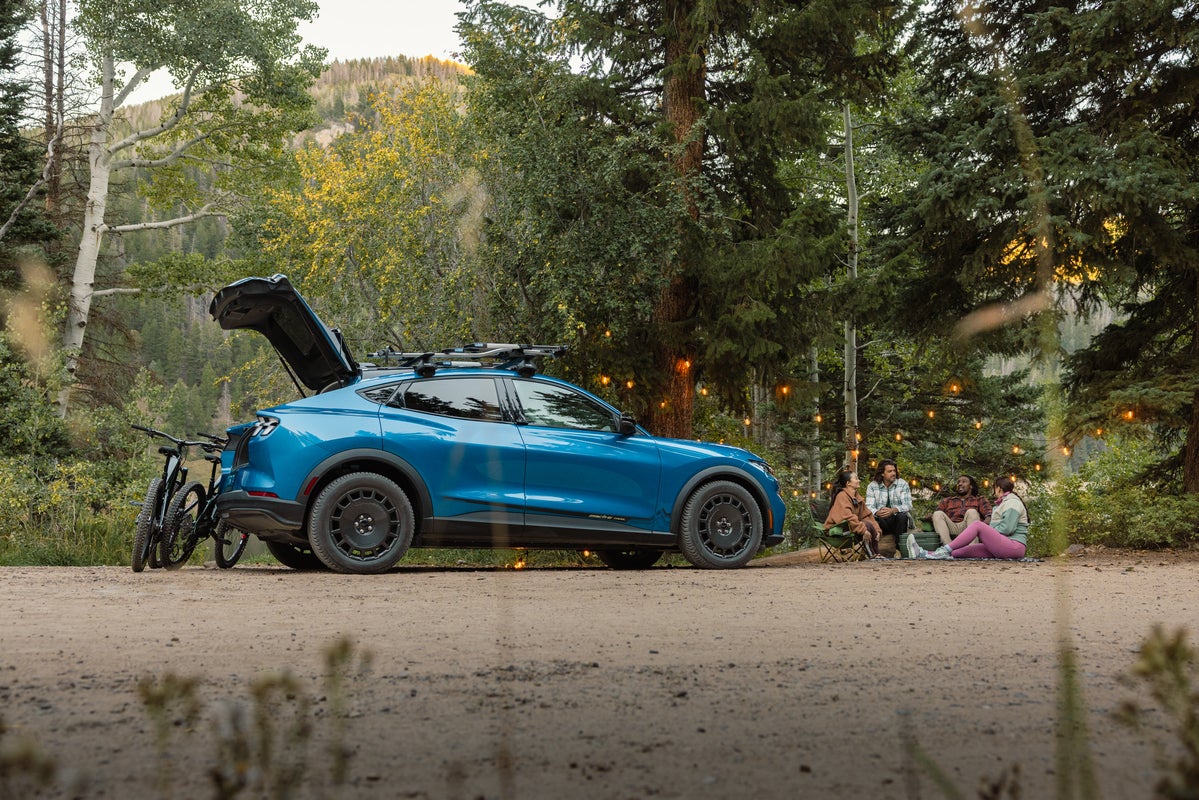
2026 Ford Mustang Mach-E: A Katy-Area Buyer’s Guide

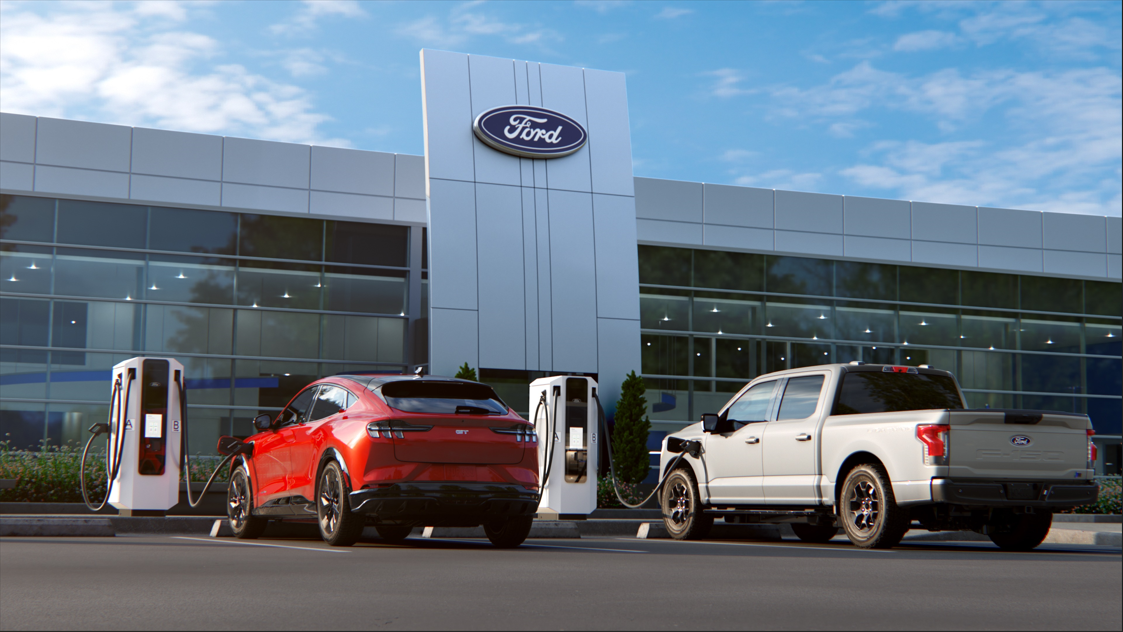
A clear search for a 2026 Ford Mustang Mach-E starts with current vehicle information, not guesses. If you are shopping near Katy, the best first step is to compare the exact 2026 configuration you want and confirm the details of the specific vehicle you plan to see. Ford currently lists four 2026 trims, Select, Premium, GT, and Rally, and Ryan Ford in Sealy serves shoppers from Katy and along the I-10 corridor west of Houston. Before you visit, review our current Mustang Mach-E inventory or submit a vehicle finder request so you can focus on the vehicle that fits your needs. 2026 Trim and Configuration Snapshot Compare the trim, drivetrain, battery and equipment of the specific vehicle you are considering. Contact Ryan Ford for current vehicle pricing. Trim Drive Type Battery and Range Details Select RWD or available eAWD 73-kWh usable battery standard; Ford lists an EPA-estimated 260 miles in Select RWD and 240 miles in Select eAWD; an 88-kWh extended-range battery is available, with Ford listing an EPA-estimated 300 miles for Select eAWD Premium RWD or available eAWD 73-kWh standard or 88-kWh extended-range battery; Ford lists an EPA-estimated 260 miles in Premium RWD and 240 miles in Premium eAWD with the standard battery; Ford lists an EPA-estimated 320 miles in Premium RWD and 300 miles in Premium eAWD with the extended-range battery GT eAWD 91-kWh extended-range battery; Ford lists an EPA-estimated 280 miles Rally eAWD 91-kWh extended-range battery; Ford lists an EPA-estimated 255 miles Ford also lists seating for five across the lineup, 29.7 cubic feet of cargo space behind the rear seat, 59.1 to 59.7 cubic feet behind the first row depending on trim, and an available 2.6-cubic-foot front trunk. On current 2026 model pages, Ford also shows a 15.5-inch center display and wireless Apple CarPlay and Android Auto compatibility. For a closer look at current features and qualifiers, review Ford's 2026 Mustang Mach-E overview and Ford's 2026 order guide. Ford's 2026 order guide also notes that the Technology Package is optional on Select and Premium and standard on GT. The same guide says BlueCruise requires the Technology Package. That is a good reason to compare individual listings and window stickers instead of assuming every 2026 Mustang Mach-E is equipped the same way. Compare Features Before a Test Drive The most useful comparison starts with your routine. Think about what you need from the vehicle each week, then match those needs to a specific listing, window sticker, and current Ford materials. Seating and passenger space for daily driving Cargo room for work gear, strollers, sports equipment, or weekend bags Battery, drivetrain, and range expectations for your normal routes Technology and convenience features you plan to use often Color, interior materials, and package content on the exact vehicle A test drive helps you evaluate seat comfort, visibility, ride quality, display layout, and how the controls feel in real use. Before visiting, you can narrow the field by reviewing our Mustang Mach-E inventory and saving the specific vehicles you want to compare. Understand Charging and EV Ownership Charging questions are easier to answer when you start with your parking situation and driving habits. If you usually charge at home, think about where the vehicle will be parked, whether you have convenient access to power, and how often you take longer trips. If you expect to rely on public charging more often, map the routes you use most. Before purchasing, ask Ryan Ford about home-charging equipment, installation requirements and public-charging options for the vehicle you are considering. Confirm any available charging benefits and their eligibility requirements before relying on them. It also helps to ask whether the vehicle you want includes the features or packages that matter most to you. Ford's 2026 order guide notes that Connected Navigation is part of the Ford Connectivity Package, and that package content and included-term details should be confirmed on the exact vehicle. Review Pricing, Trade-Ins, and Financing Carefully When you compare numbers, keep the terminology clear. Ford's manufacturer starting price is different from Ryan Ford's actual selling price, and current pricing or offers should come from live Ryan Ford or approved Ford sources. Do not assume a listing includes taxes, title, license, registration, destination or delivery charges, dealer fees, optional equipment, dealer-installed accessories, or other applicable charges unless the vehicle details say so. If you plan to trade in your current vehicle, using our trade appraisal tool before your visit can help you prepare. If financing is part of your plan, you can also review the next steps through our Finance Department. Financing is subject to lender review and terms, so it is best to focus on the full transaction rather than assuming a payment or approval outcome in advance. Support After the Sale EV ownership does not end at delivery. If you need ongoing maintenance support, scheduling help, or parts, Ryan Ford also offers a service scheduling page and an online parts request page. Keeping your owner materials, charging questions, and service records organized can make the first months of ownership easier. Start Your Search with Clear Details The best next step is to choose a specific vehicle and confirm its trim, battery, drivetrain, equipment, color, pricing, and availability before you make the drive. Because Mustang Mach-E specifications, package content, range figures, pricing, incentives, and availability can vary by model year and configuration, always confirm the details for the specific vehicle with Ryan Ford and Ford. Find Your Mustang Mach-E With Confidence Browse our current Ford Mustang Mach-E inventory at Ryan Ford in Sealy, TX to compare available vehicles and features in one place. At Ryan Ford, we can help you narrow your options based on the details that matter most to your drive. If you would like assistance or have questions about a specific vehicle, contact us today.

Cargo Transit with upfit/shelving

How to Choose a Ford Transit Van Configuration for Your Sealy Fleet

The 2026 Ford Transit gives fleet buyers multiple ways to match a van to the job. Cargo Van configurations offer three body lengths, three roof heights and two wheelbases, along with two gas-engine choices, rear-wheel drive or available Intelligent All-Wheel Drive, and up to 487.3 cubic feet of cargo volume behind the front seats. Ford also lists maximum payload of 5,103 pounds and a maximum conventional tow rating of 6,900 pounds for applicable Transit configurations. Those maximums do not apply to every Transit, which is why choosing a fleet van should start with the work your team actually performs. For businesses around Sealy, Katy and West Houston, consider cargo, crew size, route type, parking and clearance, towing, upfit plans and vehicle-specific ratings before choosing a configuration. Which Ford Transit Body Length and Roof Height Fits Your Work? The 2026 Transit Cargo Van offers three roof heights — Low, Medium and High — and three body lengths — Regular, Long and Extended. Ford also offers two wheelbases for the Cargo Van. Those choices give businesses several ways to balance interior space against maneuverability and clearance. Ford's 2026 specifications list Cargo Van volume behind the front seats ranging from 246.7 cubic feet to 487.3 cubic feet, depending on configuration. That difference can substantially change how a van works for a business. A smaller configuration may make sense for frequent stops, tighter parking areas or routes where maneuverability matters. A longer or taller Transit may provide more room for organized shelving, bulky materials or a mobile-workshop layout. Before selecting a body and roof combination, consider: Tools, packages, inventory or equipment carried daily Required interior working and standing space Shelving, bins, partitions and racks Garage and parking clearances Customer driveways and jobsite access Roof-mounted equipment planned as part of an upfit Measure actual garage and clearance restrictions before choosing a taller van. Planned roof equipment should also be included when determining final vehicle height. How Much Payload Can a 2026 Ford Transit Carry? Ford lists a maximum available payload of 5,103 pounds for the 2026 Transit. That maximum applies to a specific T-350HD High Roof Extended Length Cargo Van configuration with rear-wheel drive and dual rear wheels. It should not be treated as the payload rating for every Transit. Payload varies with vehicle configuration and equipment. Passengers, cargo, tools and permanently installed upfit equipment all add weight to the working vehicle and must be considered when determining whether a particular van fits the job. For a fleet van, account for items such as: Driver and passengers Shelving and partitions Ladder or material racks Tools and equipment Inventory and supplies Lift or accessibility equipment Other permanently installed upfit components Review the applicable vehicle labels and current Ford documentation for the specific Transit, and obtain the installed weight of upfit equipment from the upfitter. For applications with changing or heavy loads, weighing the completed vehicle can help establish its actual loaded weight for comparison with the applicable GVWR and axle ratings. Which Engine and Drivetrain Options Are Available? Ford lists two gas engines for the 2026 Transit: 3.5L PFDi V6 3.5L EcoBoost V6 Transit configurations are offered with rear-wheel drive, while Intelligent All-Wheel Drive is available on applicable configurations. Ford also offers the 2026 E-Transit, an all-electric commercial vehicle available separately in Cargo Van, Cutaway and Chassis Cab configurations. Businesses considering electric fleet vehicles should evaluate E-Transit separately because its powertrain, payload, charging and operating considerations differ from the gas-powered Transit covered here. For a gas Transit, consider average daily mileage, highway travel, stop-and-go driving, typical vehicle load, jobsite access and whether towing is part of the operation. Verify engine, drivetrain and equipment availability on the specific Transit configuration you are considering. How Many People Can a Ford Transit Passenger Van Carry? For businesses transporting people rather than primarily cargo, Ford offers the Transit Passenger Van with multiple seating configurations. Ford lists available seating configurations for 2, 12 or 15 passengers, depending on configuration, with maximum seating capacity of 15. That can make the Transit relevant for employee transportation, shuttle service and other commercial passenger applications. Passenger count is only one consideration. Accessibility requirements, luggage or equipment space, entry and exit needs, planned modifications and applicable vehicle ratings should all be considered before choosing a passenger configuration. Any accessibility or specialized passenger upfit should be planned with a qualified upfitter and completed within Ford's applicable guidance and vehicle ratings. How Much Can a 2026 Ford Transit Van Tow? Ford lists a maximum conventional tow rating of 6,900 pounds for the 2026 Transit Van. That is a maximum for an applicable configuration, not the towing capacity of every Transit Van. Actual towing capability depends on the van's configuration and equipment, including engine, drivetrain, wheelbase, body configuration, axle ratio, payload and towing equipment. If your fleet will tow, determine the expected loaded trailer weight, not only the trailer's empty weight. Also account for passengers, cargo, installed upfit equipment and trailer tongue weight carried by the van. Ford states that tongue load, passengers and cargo must remain within the applicable vehicle limits, including GVWR and rear GAWR, and that the loaded vehicle and trailer combination must remain within the applicable GCWR. Use Ford's current towing information and the specifications for the exact van before putting a trailer into service. Should You Plan the Upfit Before Choosing the Van? Yes. Upfit planning should begin before the vehicle is selected because installed equipment affects usable space, vehicle weight and available payload. Depending on the business, a Transit upfit may include: Shelving and storage bins Partitions Ladder or material racks Added lighting Communication equipment Lift equipment Specialized work surfaces Vocational equipment Ford's current 2026 Transit information lists factory packages including the Electrician Trade Package, Builders Prep Package, General Contractor Trade Package and Upfitter Package. Ford also lists additional application-focused packages, including the RV Prep Package and Heavy Duty Trailer Tow Package on applicable configurations. Reviewing factory options before planning an aftermarket installation may help businesses choose a better starting configuration. Work with a qualified upfitter to determine the installed weight and placement of equipment and confirm that the completed vehicle remains within applicable vehicle and axle ratings. What Else Should a Fleet Consider? The best Transit configuration is not necessarily the largest one. Consider the full operating routine: Daily mileage and route type Number of stops Highway versus local driving Cargo dimensions and weight Passenger requirements Parking and garage restrictions Towing requirements Driver familiarity Upfit needs Maintenance and expected downtime A delivery business making frequent local stops may prioritize different characteristics than a contractor carrying long materials and shelving. A mobile service operation may need interior working room, while a passenger operation may prioritize seating and accessibility. Define the job first, then select the Transit configuration around it. How Do I Choose a Transit for My Sealy-Area Fleet? Start by documenting what a normal workday requires. Record the number of people, typical cargo, heaviest expected load, largest items, route conditions, parking restrictions, towing requirements and planned upfits. Then compare those needs with the body length, roof height, powertrain, drivetrain and vehicle-specific ratings of the Transit configurations under consideration. Do not rely on maximum Transit specifications alone. Figures such as 487.3 cubic feet of cargo volume, 5,103 pounds of maximum payload and 6,900 pounds of maximum conventional towing capacity represent applicable configurations rather than universal ratings for every Transit. The right van is the configuration whose actual specifications fit the work your fleet needs to perform. Compare Ford Transit Commercial Vans at Ryan Ford Ryan Ford has a dedicated new Ford Transit Commercial inventory page where businesses can review available Transit models and configurations. Inventory changes, so businesses that need a particular roof height, body length, drivetrain, payload capability or upfit-ready configuration should confirm availability with the dealership rather than choosing a van based only on what happens to be in stock. For help identifying a configuration for your operation, contact Ryan Ford and discuss the intended cargo, crew, towing and upfit requirements before selecting a vehicle. Ryan Ford 3796 NE I-10 Frontage Rd. Sealy, TX 77474 Sales: 866-401-7926 Service: 866-609-3673 Local: 979-885-7700 Aftermarket / Upfit & Accessory Questions: 979-627-6580 Frequently Asked Questions How Do I Calculate Working Payload After a Transit Upfit? Start with the applicable weight ratings for the specific van, then account for the weight added by permanently installed equipment, passengers, tools, inventory and other cargo. Ask the upfitter for the installed weight of shelving, partitions, racks, lifts and other equipment. For applications with heavier or changing loads, weighing the completed van can help establish its actual loaded weight for comparison with the applicable GVWR and axle ratings. Which Transit Roof Height Is Right for Garage Clearance? The 2026 Transit Van offers Low, Medium and High Roof configurations. Ford lists overall heights that vary by configuration, so measure the garage opening at its lowest point, including door hardware, lights, pipes and other obstructions. Compare that measurement with the overall height of the exact Transit configuration, including any planned roof racks or other roof-mounted equipment. Allow additional clearance rather than treating the vehicle and opening dimensions as an exact fit, particularly where driveway slopes or uneven surfaces may affect clearance. Can a 2026 Ford Transit Carry 5,103 Pounds of Payload? Ford lists 5,103 pounds as the maximum available payload for a specific 2026 Transit T-350HD High Roof Extended Length Cargo Van with rear-wheel drive and dual rear wheels. Other Transit configurations can have lower payload ratings. Verify the applicable ratings and completed vehicle weight for the specific van you are considering. Can a 2026 Ford Transit Van Tow 6,900 Pounds? Ford lists 6,900 pounds as the maximum conventional tow rating for the 2026 Transit Van. That does not mean every Transit Van can tow 6,900 pounds. The applicable rating depends on the individual van's configuration and equipment. Confirm the exact vehicle's towing information, payload, GVWR, GAWR and GCWR before towing. Sources Ford Motor Company. "2026 Ford Transit." Accessed October 2, 2026. 2026 Ford Transit Ford Motor Company. "2026 Ford Transit Technical Specifications." Accessed October 2, 2026. 2026 Ford Transit Technical Specifications Ford Motor Company. "What's New: 2026 Ford Transit." Accessed October 2, 2026. What's New: 2026 Ford Transit Ford Motor Company. "2026 Ford RV & Trailer Towing Guide." Accessed October 2, 2026. Transit Van and commercial-vehicle towing information appear in the Commercial Vehicles section. 2026 Ford RV & Trailer Towing Guide Ford Motor Company. "2026 Ford E-Transit." Accessed October 2, 2026. 2026 Ford E-Transit Ryan Ford. "New Ford Transit Commercial for Sale in Sealy, TX." Accessed October 2, 2026. Ryan Ford Transit Commercial Inventory Ryan Ford. "Contact Us." Accessed October 2, 2026. Contact Ryan Ford

Ford vehicles on the lot, new and used

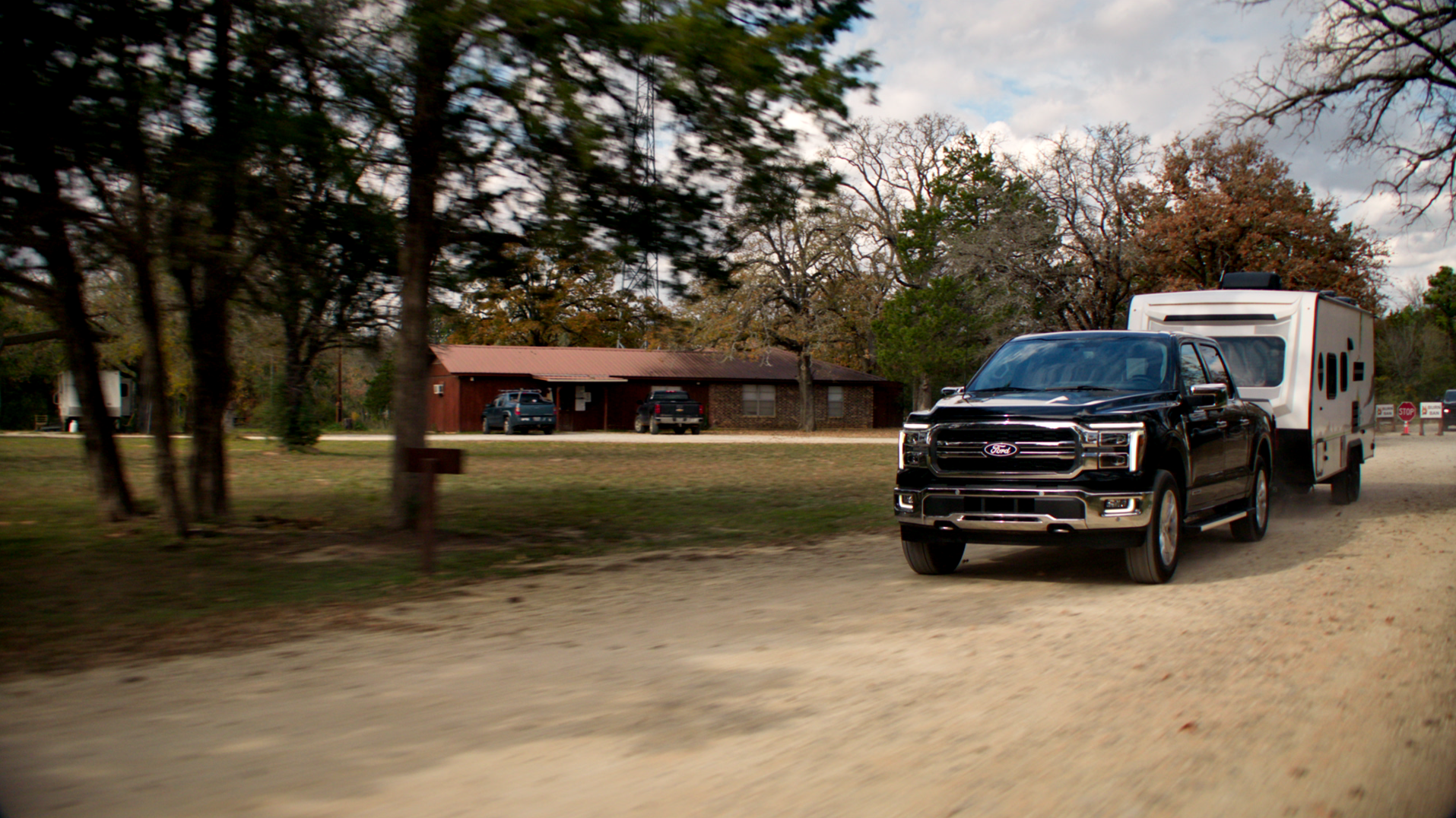
Choosing Between a New or Used Ford for Your Daily Drive

A new Ford may be the better choice if you prioritize current features, more configuration choices and applicable new-vehicle warranty coverage. A used Ford may be the better choice if you want more model years and price points to compare and are comfortable evaluating mileage, condition and vehicle history. Ford Blue Advantage Certified vehicles offer a third option for shoppers who want a used vehicle that has met Ford's applicable certification requirements. There isn't one choice that's right for every driver. The best fit depends on your budget, commute, passengers, cargo needs, preferred features, expected ownership period and how you use the vehicle outside your daily drive. New vs. Used Ford: The Short Version If This Matters Most Consider Starting With Current model-year choices and features New Applicable new-vehicle warranty coverage New Choosing among current configurations and available equipment New A wider range of model years and price points Used Finding features from a previous model year Used Vehicle condition, mileage and history Used Ford-backed certification on an eligible pre-owned vehicle Ford Blue Advantage The best fit for your actual budget and daily use Compare all available options These are starting points, not rules. The better choice depends on the actual vehicles available and the priorities that matter to you. When Does Buying a New Ford Make Sense? A new Ford can be worth considering when access to current models, configurations and technology is important to you. It can also make sense when you have specific requirements and want to compare current vehicles that meet them. For example, a shopper who needs three rows might compare a Ford Explorer and Ford Expedition, while someone who wants a smaller two-row SUV might consider an Escape or Bronco Sport. If a truck better fits your daily routine, the same principle applies. An F-150 and Ranger serve different needs, and the right choice depends on what you actually expect the truck to do. Shopping new may give you more opportunity to compare current powertrains, trims, available features and configurations instead of limiting your search to what happens to be available in the used market. New Ford vehicles also come with applicable Ford new-vehicle warranty coverage. Review Ford's current warranty information for the vehicle you're considering so you understand the coverage, limitations and time or mileage requirements that apply. When Does Buying a Used Ford Make Sense? A used Ford gives you access to multiple model years, mileage ranges, equipment combinations and price points. That can be useful if your priority is finding a particular combination of vehicle, features and price rather than necessarily having the newest model year. Used vehicles require more vehicle-specific evaluation. Two Ford vehicles with the same model name can have different mileage, service histories, equipment and overall condition. A feature available on one trim or model year may not be equipped on another vehicle that looks similar. When comparing used options, evaluate the specific vehicle rather than relying only on general information about the model. Important factors include: Mileage Current condition Available maintenance and vehicle-history information Installed equipment Remaining warranty coverage, if applicable Open recalls Expected maintenance and repair needs The goal isn't simply to find the newest used Ford or the one with the fewest miles. It's to determine whether the individual vehicle fits your needs and whether the overall purchase makes sense for you. Where Does Ford Blue Advantage Fit? Ford Blue Advantage gives shoppers another option between buying new and shopping the broader used-vehicle market. Ford currently offers Gold, EV and Blue Certified categories with different eligibility, inspection and warranty requirements. For conventional vehicles, Gold and Blue Certified are not interchangeable. Gold Certified applies to eligible Ford vehicles up to six years old with fewer than 80,000 miles. Gold vehicles undergo a 172-point inspection and include a 12-month/12,000-mile Comprehensive Limited Warranty and a 7-year/100,000-mile Powertrain Limited Warranty. Blue Certified can include eligible Ford and other makes up to 10 years old with fewer than 150,000 miles. Blue vehicles undergo a 139-point inspection and include a 90-day/4,000-mile Comprehensive Limited Warranty. Program requirements, warranty terms, deductibles, exclusions and other conditions apply. Review the Ford Blue Advantage FAQs and current certification documentation for the specific vehicle and certification level you're considering. For some shoppers, that makes the decision less about simply new versus used and more about new versus certified used versus other used vehicles. Compare Features You Will Actually Use It's easy to compare vehicles based on the longest feature list. A better approach is to identify the equipment that affects your normal drive. Consider: How much time you spend commuting Whether most of your driving is local or highway How many passengers regularly ride with you Whether child seats are part of your routine Your normal cargo needs Where you park Whether you regularly carry work equipment Which comfort, connectivity and driver-assistance features matter to you If a feature is important, confirm that it's actually equipped on the specific vehicle. This matters especially when comparing different model years. Similar-looking vehicles may have different standard and optional equipment depending on year, trim, package and configuration. Compare Ownership Costs, Not Just Vehicle Prices Purchase price is important, but it isn't the only financial difference between two vehicles. When comparing new and used options, consider the costs that apply to the actual vehicles you're evaluating, including: Selling price Financing terms Down payment Insurance Taxes, title and registration Fuel Routine maintenance Tire condition Potential repair needs Applicable warranty coverage Trade-in value of your current vehicle Avoid assuming that used will always cost less overall or that new will always be more expensive to own. The answer depends on the vehicles, their condition, financing terms, insurance costs, maintenance needs and how long you plan to keep your purchase. If you're preparing to finance either option, Ryan Ford's vehicle loan pre-approval guide explains what information and documents you may want to have ready before applying. You can also use Ryan Ford's payment calculator to explore different purchase scenarios. Think About How Long You Plan to Keep the Vehicle Your expected ownership period can change what matters in the comparison. If you expect to keep a vehicle for many years, consider how its mileage, condition, warranty status and maintenance needs may change during that period. If you expect your needs to change sooner, think about what may be different a few years from now. Will you need more passenger room? Could your commute change? Could towing, work equipment or additional cargo become part of your routine? Choosing around your actual ownership plans can be more useful than deciding based only on whether a vehicle is new or used. Match the Ford to Your Commute and Your Weekends A daily driver still has to handle what you do outside your daily commute. A smaller Ford SUV such as an Escape or Bronco Sport may suit someone who prioritizes routine driving and maneuverability. Families who need three rows may instead compare an Explorer or Expedition. For shoppers who need a truck, the question becomes more specific. A Ford Ranger or F-150 should be evaluated according to the work, hauling or towing you actually expect it to handle rather than simply choosing the vehicle with the largest advertised number. If towing or payload matters, evaluate the exact vehicle configuration. Towing and payload ratings can vary based on model year, powertrain, drivetrain, cab, bed, axle ratio, packages and other equipment. Ryan Ford's F-150 towing and payload guide provides a deeper look at how configuration affects capability. Always confirm the applicable ratings and requirements for the specific vehicle before towing or hauling. What Should You Check on a Used Ford? If you're leaning toward used, start with the fundamentals: Mileage Condition Available service and vehicle-history information Recall status Equipment Warranty or certification status Maintenance that may be approaching You can also check a Ford vehicle's VIN using Ford's recall lookup when researching recall status. Once you've narrowed your search to a particular used vehicle, the next question changes from "Should I buy new or used?" to "Is this specific used vehicle right for me?" Ryan Ford's used family SUV checklist takes that evaluation further, including seating and cargo fit, vehicle history, recall checks, Ford Blue Advantage certification, condition, pre-purchase inspections and real-world test-drive considerations. That keeps this guide focused on choosing between new and used while giving used-SUV shoppers a more detailed next step. Should You Trade Your Current Vehicle? Your current vehicle can also affect the new-versus-used decision. If you're planning to trade, determine whether you still have an outstanding loan and obtain current payoff information from your lender. Your loan payoff and the value of your trade are separate numbers. The difference between them can affect the overall transaction regardless of whether your next vehicle is new or used. You can start a trade appraisa l online before visiting Ryan Ford. Questions to Ask Before Choosing New or Used Before deciding, ask: Which features do I actually need? How much do I drive in a typical week? How long do I expect to keep the vehicle? How important are current-model features to me? What warranty coverage applies to each vehicle? If I'm considering used, what are its mileage, history and current condition? Would Ford Blue Advantage certification matter to me? What are the financing and insurance differences between the vehicles I'm comparing? Does the vehicle work for both my daily routine and occasional needs? What is the total transaction, not just the advertised price or monthly payment? Those answers can make the new-versus-used decision much clearer. Compare New and Used Vehicles at Ryan Ford in Sealy You don't have to decide between new and used before you start shopping. Compare Ryan Ford's new Ford vehicles with the dealership's pre-owned inventory and evaluate the actual vehicles against your priorities. Look at the features you'll use, applicable warranty or certification coverage, vehicle condition, ownership considerations and how each option fits your daily routine. Ryan Ford 3796 NE I-10 Frontage Rd. Sealy, TX 77474 Sales: 866-401-7926 Local: 979-885-7700 Sales Hours: Monday-Friday 9:00 AM-7:00 PM; Saturday 9:00 AM-4:00 PM; Sunday closed When you're ready to compare options, contact Ryan Ford. Confirm current availability, equipment, condition, pricing, incentives, warranty information and vehicle-specific details before making a purchase decision. FAQs Is a new Ford always better than a used Ford? No. A new Ford may be a better fit if you prioritize current models, available configurations and applicable new-vehicle warranty coverage. A used Ford may be a better fit if you want to compare a broader range of model years, equipment and price points. The right choice depends on the individual vehicles and your priorities. Is buying a used Ford always cheaper than buying new? Not necessarily. Purchase price is only one part of the comparison. Financing, insurance, maintenance, repairs, vehicle condition, warranty coverage and expected ownership period can all affect the overall cost. Compare the actual vehicles and transaction terms rather than assuming one category will always cost less. How many miles are too many on a used Ford? There isn't one mileage number that determines whether a used Ford is a good choice. Mileage should be considered along with model year, condition, maintenance history, intended use and available records. What's the difference between a used Ford and a Ford Blue Advantage vehicle? A standard used Ford and a Ford Blue Advantage vehicle are not necessarily the same. Ford Blue Advantage vehicles must meet the eligibility and inspection requirements for their applicable certification category and include specified program benefits and warranty coverage. Review the certification documentation for the individual vehicle. Should I buy new or used if I plan to keep my vehicle for a long time? Either can work. Consider the vehicle's starting mileage and condition, applicable warranty coverage, expected maintenance needs, financing and how well the vehicle is likely to serve your needs over the period you expect to own it. Can I trade in my current vehicle whether I buy new or used? Yes. A trade can be part of either transaction. If you still owe money on your current vehicle, obtain a current payoff amount and compare it with the vehicle's appraised trade value so you understand how the trade affects the transaction. Sources Ford Blue Advantage Program Overview — Ford Motor Company. Accessed October 2026. Ford Blue Advantage FAQs — Ford Motor Company. Accessed October 2026. Gold Certified Inspection — Ford Motor Company. Accessed October 2026. Blue Certified Inspection — Ford Motor Company. Accessed October 2026. Ford Warranty Information — Ford Motor Company. Accessed October 2026. Ford Recalls — Ford Motor Company. Accessed October 2026.

Used SUV with family

What to Check Before Buying a Used SUV for Your Family

A used SUV can have enough seats on paper and still be wrong for the way your family actually travels. For families along the I-10 corridor, that often means a daily mix of local driving in Sealy or Brookshire and a longer highway run toward Katy or Houston. An SUV that feels fine on a short loop around the lot can feel very different with three passengers, a car seat, a week of groceries and a longer highway drive ahead of you. Two SUVs with the same model name and model year can also differ in trim, drivetrain, seating layout, equipment, maintenance history and condition. So the question isn't simply whether a model works for families. It's whether this vehicle works for yours. The Short Version Before buying a used family SUV, check: Seating and access to every row you'll actually use Car seat fit with the cabin set up the way you use it Cargo space with those seats upright Vehicle history and available service records Open safety recalls by VIN Tires, brakes and overall condition Whether the vehicle is Ford Blue Advantage certified and which certification applies Insurance, fuel and expected maintenance costs Trade-in and financing considerations before you're sitting at a desk The rest of this guide explains how to evaluate each one. Start With Your Normal Week, Not Your Biggest Trip Most families don't drive at full capacity every day. Write down who rides with you during a regular week, how often the third row gets used, what travels with you and where you park most often. Then evaluate SUVs against that list rather than against the occasional trip when every seat and every inch of cargo space is needed. A household doing school runs in Sealy and regularly driving toward Katy may have different priorities from one making mostly shorter local trips. Highway driving can put more emphasis on seat comfort, cabin noise and visibility, while local driving can make parking, maneuverability and easy entry and exit more noticeable. Bring the Things That Actually Shape Your Routine One of the most useful ways to evaluate an SUV is with the gear your family actually uses. If car seats are part of your routine, bring the ones you use. If a stroller determines whether your current cargo area works, bring it. Depending on your household, you may also want to consider: Sports equipment or team bags A pet crate Mobility equipment Luggage you regularly use Work equipment You don't need to recreate every trip. Focus on the items that most often determine whether your current vehicle feels adequate or cramped. Call ahead before visiting if you plan to install a car seat during your evaluation. Dealership policies can vary, and it's worth confirming before you make the drive. Test the Seating the Way You'll Use It Don't judge passenger space with every seat moved into its most favorable position. Set the driver's seat where the primary driver actually needs it. Adjust the front passenger seat normally. Then evaluate the rows behind them. Ask: Is there enough room for the people who will actually sit there? Can everyone get in and out comfortably? Does someone have to move a seat every time another passenger gets in? Can an adult reach a child in the second row when needed? If grandparents, teenagers or other adults ride with you regularly, have them sit in the seats they would actually use. For three-row SUVs, arrange the cabin as your family expects to use it before testing third-row access. Access that seems easy with an empty second row can become very different once a child seat or passenger is occupying that space. Check Cargo With the Seats You Need Upright Maximum cargo capacity doesn't necessarily represent the way your family will use an SUV. If you regularly carry passengers in all three rows, check the cargo area behind the third row with your actual gear. If your normal setup involves folding only part of the rear seating, test that configuration instead. Also check: Cargo opening width and loading height Liftgate clearance where you normally park How easily rear seats fold and return to position Whether frequently used items remain accessible when the cargo area is loaded The useful question isn't simply how much maximum cargo space the SUV has. It's how much usable space remains when the vehicle is configured the way your family actually travels. Which Ford SUV Fits Your Household? If you're considering a used Ford SUV, the lineup includes vehicles designed around different combinations of passenger space, cargo needs and overall vehicle size. For example: Ford Escape: A two-row SUV worth considering when a smaller footprint and everyday maneuverability are priorities. If you're comparing a used Escape Hybrid with a gas-powered Escape, Ryan Ford's hybrid-versus-gas comparison can help you evaluate the differences. Ford Bronco Sport: Another two-row option to compare when you're evaluating how passenger space, cargo shape and everyday usability fit your routine. Ford Explorer: A three-row SUV worth considering when your household needs additional passenger flexibility without automatically moving to a full-size SUV. Ford Expedition: A full-size three-row SUV to evaluate when passenger and cargo needs are greater and overall vehicle size works for your parking and storage situation. The point isn't to choose based on the model name alone. Use the same family-fit test for each one. Seating configurations, powertrains, equipment and features can vary by model year, trim, package and individual vehicle. Confirm the configuration and equipment on the specific used SUV you're considering. Check the VIN for Open Recalls Safety recalls apply to specific vehicles, so checking the VIN is more useful than relying only on the model name or model year. The National Highway Traffic Safety Administration provides a VIN-based recall lookup. Enter the vehicle's 17-character VIN to check for unrepaired safety recalls in NHTSA's system. Ford also provides a recall lookup for Ford vehicles. Ask the dealership about the recall status of the specific SUV you're considering and any related service records that may be available. Is It Ford Blue Advantage Certified? Ford Blue Advantage includes Gold, EV and Blue Certified vehicles. For shoppers comparing conventional used SUVs, Gold and Blue Certified vehicles have meaningfully different eligibility requirements, inspection standards and warranty coverage. Gold Certified Gold Certified applies to eligible Ford vehicles up to six years old with fewer than 80,000 miles. Gold Certified vehicles undergo a 172-point inspection and include: 12-month/12,000-mile Comprehensive Limited Warranty 7-year/100,000-mile Powertrain Limited Warranty Complimentary 24/7 Ford Roadside Assistance for the applicable program period Blue Certified Blue Certified can include eligible Ford and other makes up to 10 years old with fewer than 150,000 miles. Blue Certified vehicles undergo a 139-point inspection and include: 90-day/4,000-mile Comprehensive Limited Warranty Complimentary 24/7 Ford Roadside Assistance for the applicable program period Those differences matter. A 90-day comprehensive limited warranty and a 7-year powertrain limited warranty are not the same type or duration of protection. Rather than treating "certified" as a single category, ask which Ford Blue Advantage certification applies to the specific SUV you're considering. Warranty coverage, mileage and time limits, deductibles, exclusions and other terms are governed by Ford's current program documents. Review the applicable coverage for the specific vehicle before making your decision. Not every used vehicle at a Ford dealership is Ford Blue Advantage certified. If certification matters to you, confirm the certification status of the specific vehicle. Inspect the Vehicle, Then Consider a Pre-Purchase Inspection Walk around the SUV in daylight and check: Tire tread and uneven wear patterns Brake feel during the test drive Panel gaps, paint condition, glass and lights Door and liftgate operation Interior wear, odors, stains or damp areas Seat adjustments, climate controls, windows and mirrors Visible leaks or damage underneath Uneven tire wear deserves attention because the tires themselves may not tell the entire story. Ryan Ford's guide to reading tire sidewall codes can also help you identify information such as the tire size and manufacture date when evaluating the tires currently fitted to a vehicle. Then consider a pre-purchase inspection. A qualified technician can examine areas that are difficult to evaluate during a normal walk-around and test drive, including suspension and steering components, the underbody, fluid condition, signs of previous repair and diagnostic information. A vehicle history report and a pre-purchase inspection serve different purposes. A vehicle history report tells you what was reported. An inspection helps evaluate the vehicle's condition today. Looking at both can give you a more complete picture of a used family SUV before you decide whether it's right for you. Drive It Like You'll Drive It If your regular routine includes I-10 driving, try to include highway driving during the test drive rather than evaluating the SUV only on surface streets. Pay attention to: Visibility forward, to the sides and behind Visibility with passengers or child seats in their normal positions Merging and passing response Braking feel Road and wind noise at highway speed Ride quality Parking and low-speed maneuverability Backup camera and available parking aids on that specific vehicle Driver-assistance features can vary among used vehicles, even within the same model and model year. Confirm what is actually equipped on the vehicle you're considering rather than assuming a feature is included. Driver-assistance systems are designed to support an attentive driver, not replace one. Think About Costs Beyond the Purchase Price Two SUVs with similar purchase prices can have different ownership costs. Consider: Insurance Fuel Routine maintenance Tire condition and future replacement Registration Repairs or maintenance suggested by the vehicle's current condition For example, a lower purchase price may not represent the lower overall cost if the vehicle will soon need tires, brakes or other maintenance. Looking beyond the advertised price can help you compare vehicles more realistically. Sort Out Trade-In and Financing Before You're at the Desk If you're trading a vehicle, find out whether it still has an outstanding loan and obtain current payoff information from your lender. Your payoff balance and your vehicle's trade value are separate numbers, and an older loan statement may not show the current payoff amount. You can start a trade appraisal with Ryan Ford online before visiting. For financing, consider the full transaction rather than evaluating the purchase by monthly payment alone. Relevant factors can include vehicle price, financing term, down payment, taxes, title and license costs, and any optional products you choose. Ryan Ford's guide to preparing for vehicle loan pre-approval can help you organize the information and documents you may want to have ready before applying. Ryan Ford also provides an online payment calculator and credit application for shoppers who want to prepare before visiting. Financing terms and approval depend on the applicant, lender and transaction. Before You Decide Go back to the list you made before shopping and ask: Does the seating work for the people who actually ride with us? Can we access the rows we need with the cabin set up normally? Is there enough cargo room in that configuration? Does the SUV fit our garage and regular parking situations? What does the vehicle history show? What did we learn from its current condition or inspection? Are there any open recalls? Is it Ford Blue Advantage certified, and which certification applies? What will it cost beyond the purchase price? If something comes up during the test drive or inspection that you don't understand, ask about it before making your decision. Compare Used SUVs at Ryan Ford in Sealy Ryan Ford helps used-vehicle shoppers in Sealy and surrounding communities evaluate vehicles based on the needs that matter to them. Browse Ryan Ford's pre-owned inventory to see what's currently available, then schedule a test drive. If car seats, a stroller or other everyday gear will determine whether an SUV works for your family, consider bringing them with you. If you'd like to discuss the condition or service needs of a vehicle, contact the Ryan Ford Service Department. Ryan Ford 3796 NE I-10 Frontage Rd. Sealy, TX 77474 Sales: 866-401-7926 Service: 866-609-3673 Local: 979-885-7700 Sales Hours: Monday-Friday 9:00 AM-7:00 PM; Saturday 9:00 AM-4:00 PM; Sunday closed Questions before you visit? Contact Ryan Ford. Confirm current availability, equipment, condition, pricing and vehicle-specific information before making a purchase decision. FAQs What should I check first on a used family SUV? Start with your own routine. Check how many seats you actually use, whether your car seats and passengers fit with the cabin arranged normally, and how much cargo room remains in that configuration. Then evaluate the vehicle's history, current condition, recall status and certification. How do I check a used SUV for recalls? Use the vehicle's 17-character VIN with the National Highway Traffic Safety Administration's recall lookup. It identifies unrepaired safety recalls in NHTSA's system for that specific vehicle. Ford also provides recall information for Ford vehicles. What's the difference between Ford Blue Advantage Gold and Blue Certified? Gold Certified applies to eligible Ford vehicles up to six years old with fewer than 80,000 miles. Gold vehicles undergo a 172-point inspection and include a 12-month/12,000-mile Comprehensive Limited Warranty and a 7-year/100,000-mile Powertrain Limited Warranty. Blue Certified can include eligible Ford and non-Ford vehicles up to 10 years old with fewer than 150,000 miles. Blue vehicles undergo a 139-point inspection and include a 90-day/4,000-mile Comprehensive Limited Warranty. Review Ford's current program documents for complete warranty terms, exclusions and other conditions. Is a pre-purchase inspection worth considering on a certified vehicle? Certification and a pre-purchase inspection answer different questions. Certification indicates that a vehicle met the requirements of the applicable certification program. A pre-purchase inspection can provide additional information about the vehicle's current condition. Should I bring my car seats when looking at a used SUV? If car-seat fit is important to your decision, bringing the seats you actually use can help you evaluate the vehicle more realistically. Call ahead to confirm dealership policy, and follow the child-restraint manufacturer's instructions and the vehicle manufacturer's instructions when evaluating or installing a restraint. How much cargo space will I really have? Published maximum cargo capacity may not represent the configuration your family normally uses. Check the available cargo area with the passenger seats you need kept upright, and consider testing it with the stroller, sports equipment, luggage or other items you regularly carry. Sources Ford Motor Company. Ford Blue Advantage Program Overview. Accessed October 2026. https://www.ford.com/used/about-certified/ford-blue-advantage/ Ford Motor Company. Ford Blue Advantage FAQs. Accessed October 2026. https://www.ford.com/used/about-certified/faq/ Ford Motor Company. Blue Certified Inspection. Accessed October 2026. https://www.ford.com/used/about-certified/blue-certification/ Ford Motor Company. 24/7 Ford Roadside Assistance. Accessed October 2026. https://www.ford.com/used/about-certified/roadside-assistance/ Ford Motor Company. Recalls and Customer Satisfaction Programs. Accessed October 2026. https://www.ford.com/support/recalls/ National Highway Traffic Safety Administration. Check for Recalls. Accessed October 2026. https://www.nhtsa.gov/recalls One implementation note: I deliberately restored the three internal-link opportunities as natural anchor text, but did not invent URLs for them. RankedAI/SEO should attach the confirmed live Ryan Ford URLs to those three anchors when publishing: “hybrid-versus-gas comparison” “guide to reading tire sidewall codes” “guide to preparing for vehicle loan pre-approval”

Vehicle Loan

What to Bring for a Faster Vehicle Loan Pre-Approval

Preparing before you apply for vehicle financing can make it easier to complete your application accurately and respond if a lender requests additional information. You do not necessarily need the same documents as every other applicant. Requirements can vary based on the lender, applicant, vehicle and transaction. In general, it helps to have accurate identification, residence, employment, income and contact information ready, along with trade-in or co-applicant information when applicable. At Ryan Ford in Sealy, you can begin through our Finance Department and online pre-approval process before choosing or purchasing a vehicle. Vehicle Loan Pre-Approval Checklist Before beginning your application, consider having the following ready: Current identification information Current and previous address information when requested Employment information Income information Current phone number and email address Co-applicant information, if applicable Basic trade-in and lien information, if applicable Access to supporting documents if a lender requests verification Information about any active credit freeze A secure way to provide sensitive documents if requested This is a preparation checklist, not a universal list of documents required from every applicant. A lender may request additional information based on your individual application and transaction. Having these items ready does not guarantee approval, a particular interest rate, financing terms or monthly payment. What Information Should You Have Ready Before Applying? A vehicle financing application may request information about your identity, residence, employment, income and financial situation. Before you begin, make sure you can accurately provide information such as: Full legal name Current address Previous address information when requested Phone number and email address Employment information Length of employment Occupation Income information Other information requested on the credit application Accuracy matters. Review names, addresses, employment details and other information before submitting the application. An outdated address, incomplete employment information or other discrepancy can lead to follow-up questions. What Identification or Supporting Documents Might Be Requested? A lender or dealership may request documentation to verify information provided on an application. That does not mean every applicant will be asked for exactly the same documents. Depending on the application and lender, you may be asked for items such as: Government-issued photo identification Proof of current residence Income documentation Employment verification Additional documents related to your individual application If address verification is requested, the acceptable documentation can depend on the lender. Similarly, income verification may differ based on how you earn your income. Rather than gathering every possible document in advance, provide accurate information on the application and be prepared to supply additional documentation through an approved method if requested. What If You Are Self-Employed or Have Nontraditional Income? Not every applicant receives a traditional paycheck. If you are self-employed, retired, paid by commission, work seasonally, receive benefits, or earn income through contract or gig work, the documentation requested for verification may differ. A lender may request records appropriate to the income information provided on your application. Do not assume that one particular document, such as a pay stub, bank statement or tax return, is required from every applicant. If you are unsure what documentation may be appropriate for your situation, ask the Ryan Ford Finance Department before sending financial records. Check for a Credit Freeze Before You Apply If you previously placed a security freeze, also called a credit freeze, on your credit reports, check its status before applying for financing. The Consumer Financial Protection Bureau explains that a security freeze prevents prospective creditors from accessing your credit file. Creditors typically will not extend credit when they cannot access the file. That means an active freeze can interrupt the application process even when you intentionally applied for financing. If you have a freeze in place, review the procedures provided by the appropriate credit reporting company for managing access to your credit file. A credit freeze is different from a credit lock, so confirm what you actually have in place rather than assuming the terms mean the same thing. Protect Sensitive Information When Sending Documents Financing documents can contain sensitive personal and financial information. If Ryan Ford or a finance provider requests supporting documentation, confirm the approved method for providing it before sending the records. Avoid sending Social Security numbers, tax documents, bank records or other sensitive information through an unsecured channel simply because it seems convenient. If you are unsure how a requested document should be submitted, ask the Finance Department before transmitting it. What Should You Have Ready If You Plan to Trade In a Vehicle? You do not need to turn a financing pre-approval application into a full trade-in transaction, but having basic information about your current vehicle can help if you expect to include it in the purchase. Depending on the transaction, useful information may include: Current registration Title information, when applicable Current lienholder information if the vehicle has an outstanding loan Current payoff information Available vehicle keys If you still owe money on the vehicle, use current payoff information rather than assuming the balance shown on an older statement is the amount needed to satisfy the loan. Your vehicle's payoff amount and its trade-in value are separate figures. Final title, payoff and trade-in documentation requirements can depend on the ownership situation and transaction. What Does a Co-Applicant Need to Prepare? If another person will apply with you, that individual should be prepared to provide their own information for the application. Depending on the lender and application, that may include: Identification information Address history Employment information Income information Other financial information requested by the lender Both applicants should review the application carefully before submitting it. Adding a co-applicant does not guarantee approval or particular financing terms. Do You Need Proof of Insurance for Pre-Approval? Proof of insurance may be required before vehicle delivery or at another point in the purchase process, but that is different from saying every applicant needs to provide insurance documentation before requesting pre-approval. The timing can depend on the lender, vehicle and transaction. If you are replacing a vehicle, adding another vehicle to an existing policy or arranging new coverage, confirm what will be required before delivery so you have time to prepare. Can You Apply Before Choosing a Specific Vehicle? Ryan Ford provides an online pre-approval option through its Finance Department. Beginning the financing process before selecting a vehicle can help you start organizing the information a lender may need, but final financing terms and vehicle eligibility can depend on the specific vehicle and completed lender review. Pre-approval should not be treated as a guarantee of final credit approval, a specific interest rate, monthly payment or financing structure. Start Your Vehicle Financing Application at Ryan Ford Preparing your information before applying can make it easier to complete the application accurately and respond to requests for additional verification. Ryan Ford's Finance Department can answer general questions about the application process and help you understand the next steps. Ryan Ford 3796 NE I-10 Frontage Rd. Sealy, TX 77474 Sales: 866-401-7926 Sales Hours: Monday through Friday, 9:00 AM to 7:00 PM; Saturday, 9:00 AM to 4:00 PM; Sunday closed Visit the Ryan Ford Finance Department to begin the online pre-approval process. If you have questions before applying, contact Ryan Ford for assistance. Credit approval, interest rates, terms, required documentation, down-payment requirements and other financing conditions depend on the lender, applicant, vehicle and transaction. FAQs What Should I Have Ready Before Applying for Vehicle Loan Pre-Approval? Start with accurate personal, residence, employment, income and contact information. A lender may request supporting documentation after reviewing your application. The exact documents required can vary by applicant, lender and transaction. Do I Need Pay Stubs for Vehicle Loan Pre-Approval? Not necessarily. A lender may request income verification, but the appropriate documentation can depend on your employment and income situation. Provide accurate income information on your application and be prepared to supply supporting records if requested. What If I Am Self-Employed? Self-employed applicants may be asked for different documentation than applicants receiving traditional wages. Provide accurate employment and income information and confirm what supporting documentation is requested for your specific application rather than assuming one document is accepted in every situation. Can a Credit Freeze Affect My Financing Application? Yes. The Consumer Financial Protection Bureau explains that a security freeze prevents prospective creditors from accessing your credit file. Because creditors typically will not extend credit when they cannot access that file, an active freeze can interfere with a financing application. If you have placed a freeze on your credit reports, check its status before applying and follow the appropriate credit reporting company's procedures for managing access. Can I Get Pre-Approved Before Choosing a Vehicle? Ryan Ford provides an online pre-approval process through its Finance Department. Final financing terms, vehicle eligibility and approval can depend on the specific vehicle, lender and completed application. Do I Need a Down Payment to Get Pre-Approved? Requirements vary by lender, applicant, vehicle and transaction. Do not assume that a particular down payment is universally required for pre-approval. If a down payment will be part of your transaction, confirm the amount, accepted payment method and applicable requirements before completing the purchase. How Long Does Vehicle Loan Pre-Approval Take? Review times can vary by lender and application. Providing complete and accurate information can help avoid unnecessary follow-up caused by missing or incorrect information, but it does not guarantee a particular approval timeline or financing outcome. Sources Consumer Financial Protection Bureau. What is a credit freeze or security freeze on my credit report? Accessed October 2026. https://www.consumerfinance.gov/ask-cfpb/what-is-a-credit-freeze-or-security-freeze-on-my-credit-report-en-1341/

Ford

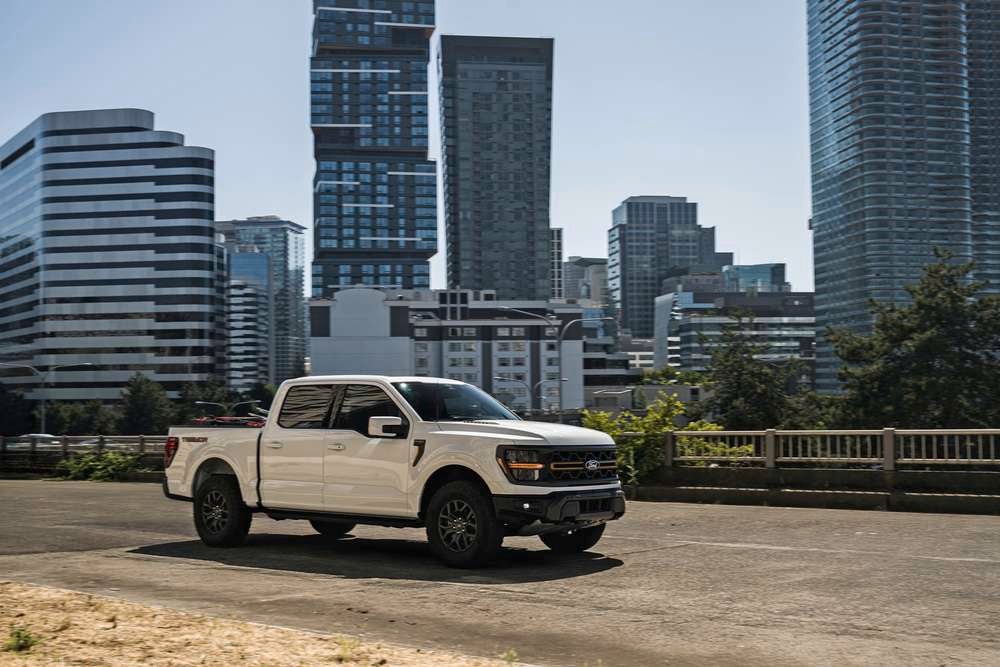
Should You Lease or Buy a Ford?

Should you lease or buy a Ford? Leasing may make more sense if you prefer changing vehicles every few years, can reasonably predict your mileage and are comfortable following the mileage, condition and other requirements in the lease agreement. Buying may make more sense if you plan to keep your Ford longer, drive high or unpredictable mileage, or want the flexibility that comes with owning the vehicle. Neither option is automatically better or less expensive. The right choice depends on how much you drive, how long you expect to keep the vehicle, how you use it, the specific lease or financing terms available to you and what you want to be able to do with the vehicle later. Lease vs. Buy a Ford: The Short Version If This Matters Most Leasing May Fit When Buying May Fit When How long you keep the vehicle You prefer changing vehicles every few years You plan to keep the vehicle longer Annual mileage Your driving is reasonably predictable Your mileage is high or difficult to predict Vehicle condition Your normal use fits lease wear-and-use requirements You expect heavier or long-term use Current Ford models You prefer moving into newer vehicles more frequently Keeping the same vehicle longer matters more Ownership You don't need to own the vehicle at the end of the lease You want ownership after completing the purchase contract Customization and long-term use You are comfortable with lease restrictions You want greater control over the vehicle Changing needs Your vehicle needs may change in a few years Your needs are relatively stable These are starting points. Your actual Ford Credit agreement, financing terms, mileage needs, vehicle choice and future plans should determine the decision. When Does Leasing a Ford Make Sense? Leasing can make sense when you prefer a shorter vehicle cycle and your driving habits are reasonably predictable. Ford Credit's Red Carpet Lease program offers multiple lease terms and mileage options. Your specific agreement determines your mileage allowance, payment obligations, wear-and-use requirements and lease-end responsibilities. That makes estimating your real driving especially important. Think about: Your normal commute Work-related driving School and family transportation Regular highway travel Road trips Weekend recreation Expected changes in your household or job If your driving changes significantly, the mileage allowance you originally selected may no longer fit your actual use. Ford Credit states that mileage above the amount allowed in the lease agreement can result in an excess-mileage charge when a leased vehicle is returned. Review the mileage terms in your actual agreement before signing. When Does Buying a Ford Make Sense? Buying may make more sense when you plan to keep the vehicle longer or want more flexibility in how much you drive and how you use it. Ford Credit's standard-purchase financing does not impose a mileage limitation. After you satisfy the obligations of the purchase contract, you own the vehicle and can decide whether to keep it, sell it or trade it later. Buying may deserve stronger consideration if: Your annual mileage is high or unpredictable You plan to keep your Ford for many years Your work or recreation may create heavier vehicle use You want greater freedom to personalize the vehicle You don't want lease-end mileage or wear-and-use requirements Long-term ownership is important to you Buying still comes with costs and responsibilities. Financing, insurance, maintenance, repairs, depreciation and eventual resale or trade value should all be considered. Rather than deciding based only on a monthly payment, compare what each option means over the period you actually expect to use the vehicle. Think About Which Ford Fits Your Timeline Your vehicle needs today may not be the same several years from now. For example, someone who currently needs a smaller two-row SUV might consider an Escape or Bronco Sport. A household expecting to need three rows may instead evaluate an Explorer or Expedition. Truck shoppers should think about the same issue differently. A Ranger or F-150 may need to support commuting during the week and work, towing or recreation on the weekend. If you expect your vehicle needs to change within a few years, a lease may deserve consideration because it provides a defined vehicle-use period followed by lease-end options. If your needs are likely to remain stable and you expect to keep the same vehicle well beyond that period, buying may fit your plans better. How Important Is Mileage When Deciding Whether to Lease or Buy? Mileage is one of the clearest differences between leasing and buying. Ford Credit's Red Carpet Lease offers different mileage options, but the mileage allowance becomes part of your lease agreement. If you return the vehicle with mileage above the contracted allowance, Ford Credit says the excess mileage is assessed a charge at lease end. A standard vehicle purchase does not have a contractual mileage allowance. That doesn't automatically mean buying is better for someone who drives a lot. It means you should estimate your mileage realistically before deciding. Look at your actual driving from the past year and consider whether anything is likely to change. If your commute is 50 miles today but could become 10 miles next year, or if your job could add significant travel, those possibilities belong in the lease-versus-buy discussion. How Does Vehicle Wear Affect a Ford Lease? Normal wear and use is expected on a leased Ford, but Ford Credit distinguishes normal use from excess wear and use. Ford Credit's current guidance identifies potential excess wear-and-use issues such as certain vehicle damage, broken or missing parts, poor-quality repairs, mechanical or electrical malfunctions, and tires that are not an appropriate match for the vehicle. Your Red Carpet Lease Agreement controls the applicable requirements. This can matter if your Ford will regularly carry pets, children, tools, equipment or recreational gear, or if your work exposes the vehicle to conditions that could create heavier wear. Buying doesn't eliminate the financial effect of vehicle condition. Damage and excessive wear can still affect repair costs and future resale or trade value. The difference is that a purchase does not subject the vehicle to contractual lease-return condition requirements. What If You Need an F-150 for Towing or Hauling? If you're deciding whether to lease or buy an F-150, start with the truck configuration you actually need. Towing and payload can vary based on model year, powertrain, drivetrain, cab, bed, axle ratio, packages and other equipment. The advertised maximum for an F-150 does not mean every F-150 has that capability. Ryan Ford's F-150 towing and payload guide explains how configuration affects those ratings. Once you identify the appropriate truck, consider how you expect to use it during the lease or ownership period. Mileage, work use, towing frequency and expected wear can all be relevant to the lease-versus-buy decision. Always confirm vehicle-specific towing and payload ratings and follow Ford's applicable towing guidance before towing or hauling. What Happens at the End of a Ford Lease? Ford Credit currently identifies three primary paths as you approach the end of a Red Carpet Lease: Get another Ford. Purchase your current leased Ford when a purchase option applies. Return the leased Ford. If a lease-end purchase option exists, Ford Credit says the purchase price can be found in the Red Carpet Lease Agreement or obtained through the appropriate Ford Credit or dealer channels. Electric vehicles may not be eligible for purchase at lease end, so Ford Credit directs customers to their individual contract for details. If you plan to return the vehicle, Ford Credit recommends preparing for its condition evaluation and offers a complimentary pre-inspection within 60 days of the lease-end date. The specific obligations in your signed agreement control, so review your contract rather than assuming every lease has identical terms. What Happens If You Exceed Your Lease Mileage? If you return a Ford Credit lease with more mileage than the contract allows, Ford Credit states that the excess mileage is assessed a charge at lease end. There is an important distinction if you decide to keep the vehicle. Ford Credit currently states that if you purchase your leased vehicle at lease end, you are not charged for additional mileage. Other purchase obligations and terms still apply. That does not mean you should choose a lease assuming you will simply buy the vehicle later. Your lease agreement and future needs should support the decision from the beginning. Should Your Current Trade Affect the Decision? Your current vehicle can affect either a lease or purchase transaction. If you still owe money on your vehicle, obtain a current payoff amount and compare it with the vehicle's appraised value. Your payoff and appraisal are separate numbers, and the difference between them can affect the overall transaction. You can begin with Ryan Ford's online trade appraisal. If you're considering purchasing rather than leasing your next Ford, Ryan Ford's vehicle loan pre-approval guide can also help you prepare the information and documents you may want to have ready before applying. Questions to Ask Before You Lease or Buy Before deciding, ask yourself: How many miles do I actually drive each year? Is that mileage likely to change? How long do I want to keep my next vehicle? Could my passenger or cargo needs change? Will the vehicle regularly be used for work, towing or hauling? Am I comfortable with lease mileage and condition requirements? Do I want to own the vehicle after completing my purchase contract? What happens at the end of the lease I'm considering? What are the total lease or financing terms, not just the monthly payment? How does my current trade affect the transaction? The more accurately you answer those questions, the more useful the lease-versus-buy comparison becomes. Compare Leasing and Buying at Ryan Ford in Sealy The decision doesn't have to start with a monthly payment. Start with the Ford you need and how you expect to use it, then compare the lease and purchase options available for that vehicle. Browse Ryan Ford's new Ford vehicles, review the dealership's financing resources, or use the payment calculator as you consider your options. Ryan Ford 3796 NE I-10 Frontage Rd. Sealy, TX 77474 Sales: 866-401-7926 Local: 979-885-7700 Sales Hours: Monday-Friday 9:00 AM-7:00 PM; Saturday 9:00 AM-4:00 PM; Sunday closed When you're ready to discuss a specific Ford and the options currently available for it, contact Ryan Ford. Lease availability, eligibility, mileage options, pricing, incentives, financing terms and vehicle availability can change. Review the applicable Ford Credit agreement and confirm current vehicle-specific and transaction details before making a decision. FAQs Is it better to lease or buy a Ford? It depends on how you drive and what you want from the vehicle. Leasing may fit someone who prefers changing vehicles every few years, has reasonably predictable mileage and is comfortable with lease requirements. Buying may fit someone who plans to keep the vehicle longer, has high or unpredictable mileage, or wants the flexibility of vehicle ownership. Is there a mileage limit when you lease a Ford? Yes. Ford Credit Red Carpet Lease agreements include a mileage allowance. Ford Credit currently offers multiple mileage options, and the allowance that applies to you is established by your agreement. Excess mileage can result in a charge when the vehicle is returned. Is there a mileage limit when you finance a Ford? Ford Credit's standard-purchase financing does not impose a mileage limitation. You own the vehicle after satisfying the obligations of the purchase contract. Can I buy my leased Ford at the end of the lease? You may have the option to purchase your Ford Credit Red Carpet Lease vehicle at lease end if a purchase option applies. Ford Credit says the lease-end purchase price can be found in your agreement or obtained through Ford Credit or your dealer. Electric vehicles may not be eligible for purchase at lease end, so review your specific contract. What happens if I go over my Ford lease mileage? Ford Credit states that excess mileage is assessed a charge at lease end when a returned vehicle exceeds the mileage allowed by the contract. If you purchase the vehicle at lease end, Ford Credit currently states that you will not be charged for additional mileage. Does a leased Ford have to be in perfect condition when I return it? No. Ford Credit allows for normal wear and use. Excess wear and use can result in charges, however, so review Ford Credit's current wear-and-use guidance and your Red Carpet Lease Agreement before returning the vehicle. Can I trade my current vehicle if I decide to lease? A trade can potentially be part of the transaction whether you're considering leasing or purchasing. The effect depends on the vehicle's appraisal, any outstanding loan balance and the specific transaction. Obtain your current payoff information and appraisal before deciding how to proceed. Sources Ford Credit Financing Options — Ford Credit. Accessed October 2026. Ford Credit Lease-End Process — Ford Credit. Accessed October 2026. Ford Credit Wear and Use — Ford Credit. Accessed October 2026. Ford Credit: What Happens If I Exceed My Mileage Allowance? — Ford Credit. Accessed October 2026. Ford Credit: How Do I Buy My Leased Ford Credit Vehicle? — Ford Credit. Accessed October 2026.

Ford genuine parts

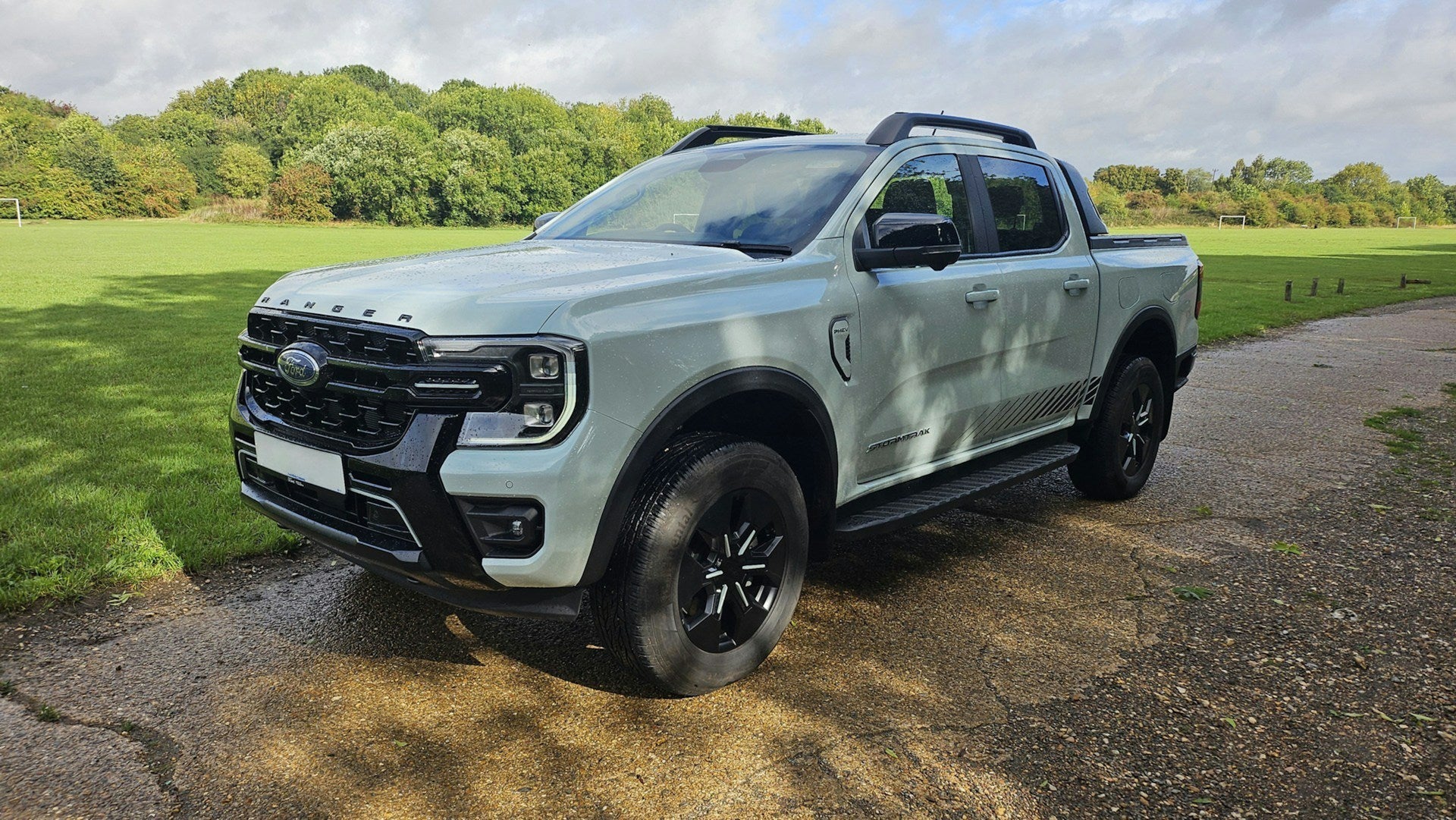
Ford Parts Near Katy: OEM Parts, Ordering, and Service Support

Katy-area Ford owners can start with Ryan Ford in Sealy when they need genuine Ford parts, VIN-based fitment help, or service support tied to the correct replacement part. Ford's official parts resources recommend using a VIN for the most accurate search results, and Ryan Ford's Order Parts page is the best place to begin if you already know what you need or want help identifying it. Parts availability, pricing, fitment, and arrival timing can vary by model year, trim, engine, drivetrain, and equipment, so always confirm the exact part and vehicle application with Ryan Ford before ordering. Why Genuine Ford Parts Matter Ford's official parts site says Ford Parts are designed and built to Ford Motor Company standards and are recommended for use in Ford and Lincoln vehicles. It also says a VIN-based search gives the most accurate results. You can review that guidance through Ford's official parts information page and Ford's parts catalog information. That matters because two vehicles with the same model name may still use different parts based on model year, trim, engine, drivetrain, production date, or equipment package. A VIN helps narrow the request to your exact vehicle so you are not relying on a general description alone. A genuine Ford part can also make it easier to match the repair or maintenance need to the correct component. That is helpful when several connected parts may be involved or when the original part is difficult to identify from appearance alone. When VIN-Based Parts Verification Helps VIN-based verification is useful in a range of situations, including: Replacing a worn maintenance item Addressing a warning light or repair concern Confirming a lighting, brake, battery, or filter-related part Checking an accessory or replacement component before ordering If you are not sure what part is needed, start with the vehicle concern rather than guessing the component. That gives the parts or service team a better place to begin. How to Place a Better Ford Parts Request A clear request helps Ryan Ford start with the right information. If you know your year, model, trim, and VIN, include those details when using the online parts request form. It also helps to describe the issue in plain language if you are unsure about the name of the part. For example, you can describe the symptom instead of naming the component. That may help the team decide whether the request needs a direct parts order, a fitment check, or a diagnostic appointment first. Depending on the request, Ryan Ford may need details such as: Engine or drivetrain information Package or equipment details Photos of the existing part Notes from a recent inspection or repair visit If you prefer to browse first, Ryan Ford also has a Shop Ford Parts page that can help you explore parts-related resources before submitting a request. When Service Support Makes More Sense Some parts are simple replacements. Others may require diagnosis, programming, calibration, or installation support. If you are not sure which part is causing the problem, it usually makes more sense to schedule an inspection before ordering anything. Ryan Ford can help connect the parts request to the service side when needed. If your concern may involve more than one component, you can use the service scheduling page to arrange an appointment first. That can be especially helpful for concerns involving brakes, batteries, lighting, filters, wiper systems, or other repair-related components. If you are comparing maintenance timing or related savings before your visit, review Ryan Ford’s service and parts specials and confirm the applicable dates, terms and eligibility with the dealership. What to Confirm Before You Order Before a part is ordered, it is smart to confirm: The exact vehicle application Current pricing and availability Whether the part is in stock or must be ordered Whether installation or inspection is recommended Whether any warranty information applies to the part purchased Ask Ryan Ford for the limited warranty applicable to the specific part and purchase method. If you have questions about warranty coverage, Ryan Ford can help you review the current details tied to the part and purchase method. Confirm Your Ford Part and Next Step Today The best next step is usually confirming the part before it is ordered or installed. A VIN, a clear description of the concern, and any available information about the existing component can help narrow the request quickly. Because part fitment, pricing, availability, and installation needs can vary by vehicle and component, confirm the exact details for your specific Ford with Ryan Ford before placing the order or planning the repair. Support for Your Next Ford Parts Order At Ryan Ford, we can help you find genuine Ford parts near Katy and review the right next step before you order. Our team is ready to help with part questions, ordering details, and service needs. If you would like additional assistance, contact us to discuss your vehicle.

F-150

2026 Ford F-150 Vs. Ranger: Which Truck Fits Your Needs?

The 2026 Ford F-150 is a full-size pickup that tows up to 13,500 pounds and comes in three cab styles with three bed lengths. The 2026 Ford Ranger is a midsize pickup that tows up to 7,500 pounds and comes as a five-seat SuperCrew with a single 5-foot bed. A standard Ranger is 210.6 inches long; a non-Tremor, non-Raptor F-150 SuperCrew with the 5.5-foot box is 232.0 inches long. Those numbers frame the choice. If your trailer weighs more than 7,500 pounds, or you need a long bed, a Regular Cab or six seats, the F-150 is the only one of the two that offers it. If your loads fit within the Ranger's ratings and you want a narrower, shorter truck for parking and driveways, the Ranger is worth a close look. For drivers in Sealy, Katy, Brookshire, Fulshear, Columbus and Bellville, here is how the two trucks compare on Ford's published 2026 figures. Towing and Payload Every maximum below applies only to a specific configuration, not to every truck in the lineup. 2026 F-150 2026 Ranger Max available towing 13,500 lbs. 7,500 lbs. Configuration for max towing 3.5L EcoBoost V6, SuperCrew 4x4, 6.5-ft. box, 3.55 axle, 19,400-lb. GCWR 2.3L EcoBoost I-4 (4x2 or 4x4) or 2.7L EcoBoost V6 (4x4), SuperCrew, 3.73 axle Required equipment for max towing Tow/Haul Package (53T) and optional Max Tow Axle Available Trailer Tow Package Max available payload 2,440 lbs. 1,767 lbs. Configuration for max payload 3.5L EcoBoost V6, 4x2; confirm exact configuration. 2.3L EcoBoost I-4, SuperCrew 4x2 Ford states that F-150 payload and towing are independent attributes and may not be achieved at the same time. Ford’s 2026 Ranger towing guide requires the Trailer Tow Package for trailers over 3,500 pounds and for the 7,500-pound maximum rating. The Ranger Raptor has a lower maximum tow rating of 5,510 pounds. Entry-level engines show the gap too. The F-150's 2.7L EcoBoost V6 is rated for up to 8,400 pounds of towing and 1,775 pounds of payload. That tow rating is higher than the Ranger's top rating. Ranger payload by configuration, from Ford's 2026 chart: Ranger engine and drivetrain Max payload 2.3L EcoBoost I-4, 4x2 1,767 lbs. 2.3L EcoBoost I-4, 4x4 1,763 lbs. 2.7L EcoBoost V6, 4x4 1,513 lbs. 3.0L EcoBoost V6, Raptor 4x4 1,373 lbs. The payload for any individual truck is printed on its Tire and Loading Information label on the driver's door jamb. Passengers, cargo, accessories, hitch equipment and trailer tongue weight all count against it. Engines 2026 F-150 2026 Ranger Engines 2.7L EcoBoost V6; 3.5L EcoBoost V6; 5.0L V8; 3.5L PowerBoost Full Hybrid V6; High-Output 3.5L EcoBoost V6 (Raptor); 5.2L Supercharged V8 (Raptor R) 2.3L EcoBoost I-4 (standard on XL, XLT, Lariat); 2.7L EcoBoost V6 (available on XLT, Lariat); 3.0L EcoBoost V6 (Raptor only) Hybrid available Yes No Transmission 10-speed automatic 10-speed automatic Drivetrain 4x2 or 4x4 4x2 standard on XL, XLT, Lariat; 4x4 available; Raptor 4x4 Cabs, Beds and Seating 2026 F-150 2026 Ranger Cab styles Regular Cab, SuperCab, SuperCrew SuperCrew Bed lengths Regular Cab: 6.5 or 8 ft.; SuperCab: 6.5 ft.; SuperCrew: 5.5 or 6.5 ft. One bed, 59.6 in. floor length Maximum seating 3 (Regular Cab) or up to 6 5 Trims XL, STX, XLT, Lariat, Tremor, King Ranch, Platinum, Raptor XL, XLT, Lariat, Raptor Size: How Much Bigger Is the F-150? Dimension 2026 F-150 2026 Ranger Overall length 209.4–243.9 in. (232.0 in. SuperCrew, 5.5-ft. box) 210.6 in. (210.9 in. Raptor) Wheelbase 122.8–157.2 in. 128.7 in. Width, excluding mirrors 79.9 in. (86.6 in. Raptor) 75.5 in. (79.8 in. Raptor) Width, including standard mirrors 95.7 in. 86.7 in. Width, standard mirrors folded 83.6 in. 79.0 in. Bed floor length 67.1, 78.9 or 97.6 in. 59.6 in. Width between wheel wells 50.6 in. 48.2 in. Cargo box volume 52.8, 62.3 or 77.4 cu. ft. 43.5 cu. ft. Mirror dimensions vary with equipment. F-150 figures shown for standard mirrors exclude Raptor; available trailer-tow mirrors are wider. Confirm the dimensions of the specific truck before checking garage clearance. Comparing crew-cab trucks, an F-150 SuperCrew with the 5.5-foot box is 21.4 inches longer than a Ranger. It is 4.4 inches wider without mirrors and 9.0 inches wider with them. A Regular Cab F-150 with the 6.5-foot box is 209.4 inches long, slightly shorter than a Ranger, but it seats three. The F-150's shortest bed is 7.5 inches longer at the floor than the Ranger's, and its 8-foot bed is 38 inches longer. Both trucks clear a 48-inch-wide sheet of plywood between the wheel wells, the Ranger by only 0.2 inch. Only the F-150's 8-foot bed, at 97.6 inches, holds a full 96-inch sheet with the tailgate closed. Measure your garage, parking space or driveway against the length and mirror-folded width above, then see both trucks in person. Which Truck Fits Your Routine? Start with the heaviest trailer you tow regularly, the number of people who ride along and the longest item you haul. Tow over 7,500 lbs.: Only the F-150 is rated for it; plan on the 3.5L EcoBoost with the Tow/Haul Package and Max Tow Axle as weights approach 13,500 lbs. Need six seats, a Regular Cab or an 8-foot bed: Only the F-150 offers them. Want a hybrid: The F-150 offers the PowerBoost Full Hybrid; the Ranger has no hybrid. Tow within the specific Ranger’s rating and want a smaller crew-cab truck: The Ranger is shorter and narrower than a comparable F-150 SuperCrew, with seating for five. Compare the F-150 and Ranger at Ryan Ford in Sealy See both trucks side by side at Ryan Ford. Browse our new Ford F-150 inventory and new Ford Ranger inventory. Bring your trailer weight and the items you haul most so we can match them to a specific truck's ratings. Ryan Ford 3796 NE I-10 Frontage Rd. Sealy, TX 77474 Sales: 866-401-7926 Service: 866-609-3673 Ryan Ford serves drivers in Sealy and along the I-10 corridor, including Katy, Brookshire, Fulshear, Columbus and Bellville. Contact us with questions about a specific truck. Sources Source URL Accessed Ford Motor Company. "2026 Ford F-150 Truck" (engines, specs, dimensions, towing and payload charts, FAQ). ford.com/trucks/f150 Oct. 6, 2026 Ford Motor Company. "2026 Ford Ranger Truck" (models, specs, dimensions, towing and payload charts, FAQ). ford.com/trucks/ranger/ Oct. 6, 2026 Ford Motor Company. “2026 Ford Ranger Towing Information.” ford.com/content/dam/brand_ford/en_us/brand/towing/pdf/2026-Ford-Ranger-Towing-Guide.pdf Oct. 6, 2026 Ford Motor Company. “2026 Ford F-150 Technical Specifications.” fromtheroad.ford.com/content/dam/fordmediasite/us/en/library/2026/specs/2026_Ford_F150_Specs.pdf Oct.15,2026 Ryan Ford. Homepage (address, phone numbers, site menu). ryanford.com Oct. 6, 2026 Ryan Ford. "New Ford F-150 for Sale in Sealy, TX." ryanford.com/new-f-150-inventory.html Oct. 6, 2026

F-150

2026 Ford F-150 Trim Levels: Which One Fits Your Needs?

The 2026 Ford F-150 comes in eight trims: XL, STX, XLT, Lariat, Tremor, King Ranch, Platinum and Raptor. They differ in which cabs, beds and engines each one offers, and in the equipment Ford lists for each. This guide lays out those differences so drivers in Sealy, Katy, Fulshear, Richmond and Rosenberg  can narrow the lineup before visiting a dealer. The 2026 F-150 Lineup at a Glance Trim Cab styles Bed lengths Available engines XL Regular Cab, SuperCab, SuperCrew 5.5, 6.5 or 8 ft. 2.7L EcoBoost V6, 5.0L V8, 3.5L EcoBoost V6 STX SuperCab, SuperCrew 5.5 or 6.5 ft. 2.7L EcoBoost V6, 5.0L V8, 3.5L PowerBoost Full Hybrid V6 XLT SuperCab, SuperCrew 5.5 or 6.5 ft. 2.7L EcoBoost V6, 5.0L V8, 3.5L EcoBoost V6, 3.5L PowerBoost Full Hybrid V6 Lariat SuperCrew 5.5 or 6.5 ft. 5.0L V8, 3.5L EcoBoost V6, 3.5L PowerBoost Full Hybrid V6 Tremor SuperCrew 5.5 ft. 5.0L V8, 3.5L EcoBoost V6 King Ranch SuperCrew 5.5 or 6.5 ft. 3.5L EcoBoost V6, 3.5L PowerBoost Full Hybrid V6 Platinum SuperCrew 5.5 or 6.5 ft. 3.5L EcoBoost V6, 3.5L PowerBoost Full Hybrid V6 Raptor SuperCrew 5.5 ft. High-Output 3.5L EcoBoost V6 (Raptor); 5.2L Supercharged V8 (Raptor R) Ford pairs cabs and beds this way: Regular Cab with a 6.5- or 8-foot bed, SuperCab with a 6.5-foot bed, and SuperCrew with a 5.5- or 6.5-foot bed. Only the XL offers the Regular Cab. Every engine uses a 10-speed automatic transmission. Ford offers the F-150 in 4x2 and 4x4. Tremor and Raptor are 4x4 models; for other trims, confirm the drivetrain on the specific truck or in Ford's Build & Price tool. Regular Cab models seat up to three. Seating capacity in other configurations depends on the cab and front-seat arrangement. Confirm the seating capacity of the specific truck you are considering. XL The XL is the work-focused starting point and the only trim with all three cab styles and an 8-foot bed. Ford lists the 2.7L EcoBoost V6 with Auto Start-Stop, 17-inch steel wheels, a Class IV trailer hitch, a 12-inch center display with SYNC 4, cloth seats and black vinyl flooring. A Tow/Haul Package and a 36-gallon fuel tank are available. STX The STX adds a sportier look: Ford lists 18-inch gloss-black wheels, a black and dark-gray grille and unique sport cloth seats. Available options include the STX FX4 package, a Mobile Office Package and the F-150 Lobo Package, which pairs the 5.0L V8 with 22-inch gloss-black wheels and a 2-inch lowered rear. The STX can also be ordered with the PowerBoost hybrid. XLT The XLT offers the widest engine choice in the lineup, with four options including the PowerBoost hybrid. Ford lists Zone Lighting and LED fog lamps, with an available 360-Degree Camera, Pro Trailer Hitch Assist, Pro Trailer Backup Assist and BlueCruise hands-free highway driving. Chrome and Black Appearance Packages are available. Lariat The Lariat is SuperCrew-only and moves into comfort and technology. Ford lists heated and ventilated ActiveX-trimmed seats, a B&O Sound System with eight speakers, a 360-Degree Camera, Pro Trailer Hitch Assist, Pro Trailer Backup Assist, remote start, power-folding mirrors and LED projector headlamps with dynamic bending. BlueCruise comes with a 90-day trial. Tremor The Tremor is the off-road-focused SuperCrew below the Raptor. Ford lists 33-inch all-terrain tires, increased ride height with 10.9 inches of minimum running ground clearance, a 3.73 electronic locking rear axle, Selectable Drive Modes, Trail Control with Trail 1-Pedal Drive and Trail Turn Assist, and six upfitter switches. A front axle with a Torsen differential is available. King Ranch The King Ranch offers western-themed luxury. Ford lists exclusive King Ranch exterior and interior themes, two-tone paint with a Marsh Gray lower accent, leather bucket seats, genuine wood interior accents and the Mobile Office Package. Available upgrades include multicontour seats with Active Motion and a 14-speaker B&O Unleashed Sound System. Platinum The Platinum adds Ford's most premium cabin features. Ford lists 20-inch gloss-black wheels, heated rear seats and power-adjustable pedals with memory, with an available head-up display. With the available 3.5L PowerBoost Full Hybrid engine, Platinum models offer available 7.2 kW Pro Power Onboard. Raptor and Raptor R The Raptor is a desert-performance truck built on the SuperCrew with a 5.5-foot bed and 12 inches of ground clearance. Ford lists FOX Live Valve shocks, a 4x4 Hi-Lock transfer case, a Baja drive mode and a head-up display, with 37-inch tires available. The Raptor uses the High-Output 3.5L EcoBoost V6; the Raptor R uses the 5.2L Supercharged V8. Engines, Towing and Payload Ford's maximum figures apply only to specific configurations, not to every truck with that engine. Engine Max available towing Max available payload 2.7L EcoBoost V6 8,400 lbs. 1,775 lbs. 3.5L EcoBoost V6 13,500 lbs. 2,440 lbs. High-Output 3.5L EcoBoost V6 (Raptor) 8,200 lbs. Configuration-specific; check vehicle label. 5.2L Supercharged V8 (Raptor R) 8,700 lbs. Configuration-specific; check vehicle label. The 13,500-pound rating applies to a 3.5L EcoBoost SuperCrew 4x4 with a 6.5-foot box, 3.55 axle and 19,400-pound GCWR, equipped with the Tow/Haul Package (53T) and the optional Max Tow Axle upgrade. Ford names the XLT SuperCrew 4x4 with that equipment as its highest available towing setup. Ford states that payload and towing are independent attributes and may not be achieved at the same time. Towing capability varies with cab, bed, drivetrain, axle ratio, accessories, cargo and passengers. The payload for any specific truck is printed on its Tire and Loading Information label on the driver's door jamb. Matching a Trim to How You Use Your Truck Start with how many people ride along, what goes in the bed and what you tow most often. A crew that needs a Regular Cab or 8-foot bed is shopping the XL. Buyers who want the most engine choices, including the hybrid, can start with the XLT. If heavy towing is the priority, look for the 3.5L EcoBoost with the Tow/Haul Package and Max Tow Axle. Drivers who want off-road hardware should compare the Tremor and Raptor, while the Lariat, King Ranch and Platinum focus on cabin comfort and technology. Ford has announced updates for the 2027 F-150; this guide covers the 2026 model year. Compare 2026 F-150 Trims at Ryan Ford in Sealy Browse Ryan Ford's new Ford F-150 inventory to see which trims and configurations are on the lot. You can schedule a test drive, value your trade, or review options with the Finance Department. Ryan Ford 3796 NE I-10 Frontage Rd. Sealy, TX 77474 Sales: 866-401-7926 Service: 866-609-3673 Ryan Ford serves drivers in Sealy and along the I-10 corridor, including Katy, Brookshire, Fulshear, Columbus and Bellville. Have questions about a specific truck? Contact us.

F-150 pulling a trailer

2026 Ford F-150 Towing & Payload: How to Choose the Right Configuration

Payload can be the limiting factor even when a 2026 Ford F-150's trailer rating appears sufficient for the trailer you plan to tow. Trailer tongue weight, or king-pin weight when fifth-wheel towing, uses part of the truck's available payload along with passengers, cargo, hitch equipment and accessories. That means choosing an F-150 for towing requires checking more than the maximum trailer rating. For drivers around Sealy, including those traveling toward Katy or Houston with boats, campers, livestock trailers, utility trailers, equipment or project materials, start with the load you expect to carry and tow regularly rather than the largest load you might pull once. What Is Payload on a Ford F-150? Payload is the combined weight of passengers and cargo a truck is designed to carry. Ford defines payload as the truck's Gross Vehicle Weight Rating, or GVWR, minus its base curb weight. For a specific truck, check the Tire and Loading Information label on the driver-side B-pillar or edge of the driver's door. The maximum payload listed on that label reflects the vehicle as built at the assembly plant. Passengers, items in the cab and bed, hitch equipment and accessories all consume part of the truck's available payload. Equipment added after the truck was built must also be subtracted. How Do I Calculate the Payload Available for Towing? Start with the maximum payload on the specific truck's Tire and Loading Information label. Then: Subtract the weight of passengers. Subtract tools, cargo and other items carried in the truck. Subtract hitch equipment and added accessories. Subtract the trailer's tongue weight, or king-pin weight for a fifth-wheel trailer. Ford's towing guidance uses 10% of loaded trailer weight for conventional trailer tongue load and 15% for fifth-wheel king-pin weight. For example, 10% of a 5,000-pound loaded conventional trailer is 500 pounds. Actual tongue or king-pin weight depends on the trailer and how it is loaded, and should be measured for the trailer as used. A Simple Payload Example Illustration only, not a payload rating for any F-150. Suppose the Tire and Loading Information label on a particular F-150 shows 1,700 pounds of payload. Item Weight Payload on the truck's label 1,700 lbs. Driver and one passenger −400 lbs. Tools and cooler in the bed −150 lbs. Weight-distributing hitch equipment −100 lbs. Tongue weight (10% of a 7,000-lb. loaded trailer) −700 lbs. Payload remaining 350 lbs. In this example the truck still has 350 pounds of payload left, but adding one more passenger and a generator could use it up. Always use the label and ratings on the specific truck you are evaluating. Payload is only one limit. The loaded truck must stay within its GVWR and its front and rear Gross Axle Weight Ratings, or GAWR. The actual combined weight of the loaded truck and trailer must stay within the Gross Combined Weight Rating, or GCWR. When calculating combined weight, do not count tongue or king-pin weight twice: that load is already included in the trailer’s total weight. The truck's maximum trailer rating and the hitch's limits must also be observed. What Do GCWR, GVWR, Tongue Weight and King-Pin Weight Mean? Trailer weight: The weight of the trailer and everything loaded into it. GVWR: Gross Vehicle Weight Rating, the maximum allowable weight of the fully loaded truck, including passengers and cargo. GAWR: Gross Axle Weight Rating, the maximum allowable weight carried by an individual axle. GCWR: Gross Combined Weight Rating, the maximum allowable combined weight of the loaded truck and loaded trailer. Tongue weight: The portion of a conventional trailer's weight that presses down on the hitch. King-pin weight: The downward load from a fifth-wheel trailer's king pin carried by the truck. Ford notes that too much tongue weight can reduce traction, steering response and braking, while too little can reduce rear-wheel traction and contribute to trailer instability. How Do I Match an F-150 to the Load I Actually Tow? Start with the trailer's expected loaded weight, not its empty or dry weight. Before comparing F-150s, list: Loaded trailer weight Cargo, water and equipment carried in the trailer Passengers and gear carried in the truck Expected tongue or king-pin weight Hitch equipment and accessories Future needs such as camping equipment or work tools Ford recommends weighing the fully loaded truck and trailer rather than relying only on estimates. When comparing trucks at Ryan Ford, bring your trailer specifications and expected load so you can review the ratings and equipment of the specific F-150 you are considering. Which F-150 Details Affect Towing and Payload? Ford lists a maximum available towing capacity of up to 13,500 pounds and a maximum available payload of up to 2,440 pounds for the 2026 F-150. These are configuration-specific maximums, not ratings that apply to every F-150. Ford states that payload and towing are independent attributes and may not be achieved simultaneously. In Ford's 2026 charts, the 13,500-pound tow rating and the 2,440-pound payload rating come from different cab, box and drivetrain configurations. For the 13,500-pound conventional trailer rating, Ford's 2026 towing information lists: 3.5L EcoBoost V6 SuperCrew cab, 4x4, 6.5-foot box (157.2-inch wheelbase) 3.55 axle ratio with a 19,400-pound GCWR Tow/Haul Package (53T) and the optional Max Tow Axle upgrade Ford also requires the Tow/Haul Package (53T) and optional Max Tow Axle for trailers over 11,600 pounds on a gas F-150. Ford states that towing capability varies based on vehicle configuration, accessories, cargo and number of passengers. Powertrain, drivetrain, axle ratio, cab style, box length, wheels, tires and installed equipment also affect an individual truck's ratings. What Towing Equipment Should I Check? When comparing F-150 inventory, check the window sticker and equipment for: Trailer hitch receiver and wiring Integrated trailer brake controller, when equipped Trailering mirrors and visibility equipment Axle ratio and configuration Applicable towing package Available trailering technology Ford lists 5,000 pounds of trailer weight and 500 pounds of tongue load for the F-150 receiver in a weight-carrying configuration. Ford says not to exceed 5,000 pounds without a weight-distribution system. With weight-distributing equipment, Ford lists receiver limits of up to 13,500 pounds of trailer weight and 1,400 pounds of tongue load. That 13,500-pound receiver figure requires the Tow/Haul Package (53T) and optional Max Tow Axle; Ford rates the standard receiver at 11,600 pounds. These are hitch-receiver limits, not the towing rating of a specific truck. Ford notes that receiver capacities may exceed the maximum loaded trailer weight allowed for an individual vehicle. Always follow the lowest applicable limit for the truck, hitch and trailer combination. Factory-installed receivers do not include the hitch ball or ball mount. Use hitch and weight-distributing equipment appropriate for the trailer and follow Ford's instructions. Where Do I Confirm My Exact F-150's Ratings? Before towing, review the specific truck's: Window sticker Tire and Loading Information label Safety Compliance Certification Label Current Ford owner's manual Current Ford towing information Ford's 2026 F-150 Owner's Manual places the maximum payload on the Tire and Loading Information label, on the B-pillar or the edge of the driver's door. That payload reflects the vehicle as built, and added equipment reduces it. The Safety Compliance Certification Label lists GVWR and GAWR. Do not rely on a model-wide maximum to decide what an individual F-150 can carry or tow. What Are the Trailer Brake and Safety Chain Requirements? Ford recommends a separate functional brake system for towed vehicles and states that trailer brakes must comply with applicable state regulations. In Texas, Transportation Code §547.401 says a trailer, semitrailer or pole trailer does not need brakes if its gross weight is 4,500 pounds or less. A trailer over 4,500 pounds but not over 15,000 pounds is also exempt when drawn at 30 mph or less. Section 547.402 covers brake operation for trailers that must have brakes. Review the current Texas Transportation Code Chapter 547 before towing to confirm which requirements apply to your trailer. Also follow Ford’s equipment requirements for your specific truck and trailer combination. A legal exemption from a brake requirement does not establish that a particular towing setup is suitable. For conventional trailers, follow Ford’s instructions for attaching safety chains, including crossing them beneath the trailer tongue and allowing sufficient slack for turns. Fifth-wheel and gooseneck setups require their own applicable attachment instructions; follow the vehicle, hitch and trailer manufacturers’ guidance. Where Can I Find an F-150 Near Sealy? Browse Ryan Ford's new Ford F-150 inventory or used Ford F-150 listings to compare available configurations. You can also schedule a test drive, request a trade appraisal, or visit the Finance Department. Ryan Ford also offers an online payment calculator and credit application. After purchase, Ryan Ford's Service Department can help with maintenance, and you can schedule service online. Ryan Ford 3796 NE I-10 Frontage Rd. Sealy, TX 77474 Sales: 866-401-7926 Service: 866-609-3673 Ryan Ford is located in Sealy, Texas. Shoppers from Katy, Fulshear, Richmond and Rosenberg can compare F-150 configurations at the dealership. Bring your trailer specifications and expected load when comparing trucks so the ratings and equipment of the specific F-150 you are considering can be reviewed. Sources Ford Motor Company. "2026 Ford F-150 Towing Information." Accessed October 2, 2026. 2026 Ford F-150 Towing Information Ford Motor Company. "2026 F-150 Owner's Manual." Accessed October 2, 2026. 2026 F-150 Owner's Manual — Tire Label Ford Motor Company. "2026 F-150 Owner's Manual." Accessed October 2, 2026. 2026 F-150 Owner's Manual PDF Ford Motor Company. "2026 Ford F-150." Accessed October 2, 2026. 2026 Ford F-150 Texas Legislature. "Texas Transportation Code Chapter 547 — Vehicle Equipment." Accessed October 2, 2026. Texas Transportation Code §§547.401–547.402 Ryan Ford. "New Ford F-150 Inventory." Accessed October 2, 2026. Ryan Ford New F-150 Inventory

Ford Ranger

2026 Ford Ranger: Trims, Capability, and Who It Fits Best

2026 Ford Ranger Trims, Engines, and Capability: What Each Version Offers The 2026 Ford Ranger comes in four trims: XL, XLT, Lariat, and Raptor. Ford lists SuperCrew as the cab type on every one, each with a 59.6-inch Styleside bed. [1] What changes from trim to trim is the engine, the drivetrain, the equipment, and what the truck can tow and carry. The XL, XLT, and Lariat can reach a maximum available towing capacity of 7,500 pounds when properly equipped with the Trailer Tow Package, while the Raptor's maximum is 5,510 pounds. [1] Those are maximums, and the exact truck's ratings depend on its engine, drivetrain, and equipment. Drivers around Sealy, Katy, Brookshire, Fulshear, Columbus, and Bellville use midsize trucks for very different jobs, so below we show each configuration's numbers alongside the configuration they apply to. What Are the 2026 Ford Ranger Trims? Trim Engine Drivetrain What Ford Highlights XL 2.3L EcoBoost 4x2 standard, 4x4 available 10-inch center display and 8-inch cluster display with SYNC 4A, Lane-Keeping System, cloth bucket seats, available FX4 Off-Road Package, available Trailer Tow Package [1] XLT 2.3L EcoBoost; 2.7L EcoBoost V6 available 4x2 standard, 4x4 available Co-Pilot360 Technology, SiriusXM with 360L, available Technology Package, available Advanced Towing Package, available power moonroof with power-sliding rear window, available power heated seats [1] Lariat 2.3L EcoBoost; 2.7L EcoBoost V6 available 4x2 standard, 4x4 available 12-inch center and cluster displays, 360-degree camera, push-button start with Intelligent Access, power heated ActiveX-trimmed front seats with driver memory, B&O sound system, heated steering wheel [1] Raptor 3.0L EcoBoost V6 4x4 standard FOX 2.5-inch Live Valve shocks, Watts-link rear suspension, electronic-locking front and rear axles, seven selectable drive modes including Baja, 10.7 inches of ground clearance [1] Some equipment above is optional or package-dependent, so confirm it on the exact truck's window sticker. What Engines Does the 2026 Ranger Offer? Engine Horsepower Torque Offered On EPA Estimate (City/Hwy/Combined) 2.3L EcoBoost I-4 270 310 lb-ft Standard on XL, XLT, Lariat 4x2: 21/25/23; 4x4: 19/24/21 2.7L EcoBoost V6 315 400 lb-ft Available on XLT, Lariat (4x4) 18/23/20 3.0L EcoBoost V6 405 430 lb-ft Raptor only 16/18/17 Every engine pairs with a 10-speed automatic transmission. [1] Ford recommends 87 octane for the 2.3L and 2.7L and 91 octane for the 3.0L, and notes that actual mileage will vary. [1] Does the 2026 Ranger Come in Different Cab and Bed Sizes? For 2026, the cab is SuperCrew and the bed is 59.6 inches long at the floor, 48.2 inches wide between the wheelhouses, with 43.5 cubic feet of cargo volume. [1] The wheelbase is 128.7 inches, and overall length is 210.6 inches (210.9 on the Raptor). [1] The cabin seats five, with 34.6 inches of rear legroom. [1] If you want a longer bed or a different cab, compare against another Ford truck before you decide. How Much Can a 2026 Ford Ranger Tow and Carry? Configuration Max Towing Max Payload GVWR GCWR 2.3L EcoBoost, 4x2 7,500 lbs 1,767 lbs 6,050 lbs 12,370 lbs 2.3L EcoBoost, 4x4 7,500 lbs 1,763 lbs 6,170 lbs 12,590 lbs 2.7L EcoBoost V6, 4x4 7,500 lbs 1,513 lbs 6,170 lbs 12,745 lbs 3.0L EcoBoost V6, Raptor 4x4 5,510 lbs 1,373 lbs 6,790 lbs 11,465 lbs Ford states these are maximums for properly configured trucks. [1][2] Opting for the larger engine or the Raptor trades payload for power: the 2.7L's maximum payload is about 250 pounds lower than the 2.3L 4x4's, and the Raptor's maximum towing is 1,990 pounds lower than the other trims. Three things to know before you tow: Ford says the Trailer Tow Package is required if you intend to tow with a Ranger. It is standard on the Raptor. [1] Ford's towing guide calls for it on trailers over 3,500 pounds and sets a 3,500-pound limit when towing with the bumper only. [2] For conventional trailers over 2,000 pounds, Ford puts tongue weight at 10% of the loaded trailer weight. Tongue weight counts as part of payload. [2] Payload is the combined weight of passengers and cargo the truck can carry, so passengers, bed cargo, accessories, and tongue weight all use it. [2] Which Ranger Trim Fits Which Driver? Based on Ford's specifications: Work and value: The XL has the 2.3L engine, the 7,500-pound maximum towing, and the highest maximum payload, and FX4 is available on it. Everyday comfort and technology: The XLT and Lariat add the available 2.7L V6 and more equipment, and both carry the 7,500-pound maximum with the tow package. Hard off-road use: The Raptor adds the 3.0L V6, locking axles, and Live Valve shocks, with lower towing and payload maximums. Light off-road use without the Raptor: The available FX4 Off-Road Package includes off-road tuned shocks, a steel bash plate, an electronic-locking rear differential, all-terrain tires, and Trail Control. [1] What Should I Confirm on the Exact Truck? Check the window sticker, the doorjamb label for payload, and Ford's owner's manual before you commit. Ford covers the Ranger with 3-year/36,000-mile bumper-to-bumper and 5-year/60,000-mile powertrain coverage, and the details for your truck are in its warranty documents. [1] If you can't find the Ranger you want on the lot, Ryan Ford offers Custom Order through Ford, and our team can help you configure it. Where Can I See a Ford Ranger SuperCrew in Sealy, TX? Browse our new Ford inventory or our Ford model research page to compare the trims above. You can schedule a test drive, request a trade appraisal, or start with our Finance Department using the payment calculator or credit application. Our Service Department can keep your truck maintained, and you can schedule service online. Ryan Ford 3796 NE I-10 Frontage Rd., Sealy, TX 77474 Sales: 866-401-7926 | Service: 866-609-3673 Sales: Monday to Friday, 9:00 AM to 7:00 PM; Saturday, 9:00 AM to 4:00 PM Service: Monday to Friday, 7:30 AM to 6:00 PM; Saturday, 8:00 AM to 2:00 PM Closed Sunday We are on the I-10 corridor, serving drivers in Sealy, Katy, Brookshire, Fulshear, Columbus, and Bellville. Tell us what you plan to haul and tow, and we will help you narrow down the 2026 Ranger that fits. Sources [1] Ford, 2026 Ford Ranger [2] Ford, 2026 Ford RV & Trailer Towing Guide (Ranger page and Weight Limits section) Claim Sheet # Claim Source Status 1 Four trims: XL, XLT, Lariat, Raptor [1] Verified 2 SuperCrew is the cab type for every trim; one Styleside bed [1] Verified. 3 Bed 59.6 in long, 48.2 in between wheelhouses, 43.5 cu ft [1] Verified 4 Wheelbase 128.7 in; length 210.6 in (Raptor 210.9) [1] Verified 5 Seats five; rear legroom 34.6 in [1] Verified 6 Engine horsepower and torque; trim availability [1] Verified 7 Recommended fuel: 87 octane (2.3L, 2.7L), 91 octane (3.0L) [1] Verified 8 10-speed automatic with all engines [1] Verified 9 4x2 standard on XL, XLT, Lariat; 4x4 available; Raptor 4x4 standard [1] Verified 10 2.7L offered with 4x4 [1] Verified in Ford's drivetrain and payload tables 11 EPA estimates by engine and drivetrain [1] Verified. Ford notes actual mileage will vary 12 Max towing 7,500 lbs (XL, XLT, Lariat) and 5,510 lbs (Raptor); package required [1]; [2] Ranger page Verified, and the two sources agree 13 GCWR by configuration [1]; [2] Ranger page Verified, and the two sources agree 14 Max payload by configuration [1] Verified in Ford's configuration table. Ford's own page also lists 1,788 lbs once in its FAQ, versus 1,767 lbs in its hero and spec table. The article uses the configuration table 15 GVWR by configuration [1] Verified 16 Trailer Tow Package required; needed over 3,500 lbs; 3,500-lb bumper-only limit [1]; [2] Ranger page Verified 17 Tongue weight is 10% of loaded trailer for conventional trailers over 2,000 lb; counts as payload [2] Weight Limits section Verified. This is Ford's general guidance, not a Ranger-only figure 18 Payload definition [2] Weight Limits section Verified 19 Trim features (XL, XLT, Lariat, Raptor) [1] Verified as Ford's feature lists. Some items are optional or package-dependent, so the article tells readers to confirm on the window sticker 20 FX4 package contents; available on XL [1] Verified 21 Raptor ground clearance 10.7 in [1] Verified 22 Warranty terms [1] Verified 23 Address, phones, hours, service area ryanford.com Hours & Directions Verified on the dealer site

Contact Us

Fill out this form below and we'll contact you shortly
*Required Fields