
Ford Reliability: What Owners Should Consider Long Term
If you are asking whether Ford is reliable for the long haul, the practical answer is that long-term reliability depends on the specific vehicle, how well it matches your needs, and whether it receives the maintenance its model year and configuration require. No brand or vehicle delivers the same result for every driver.
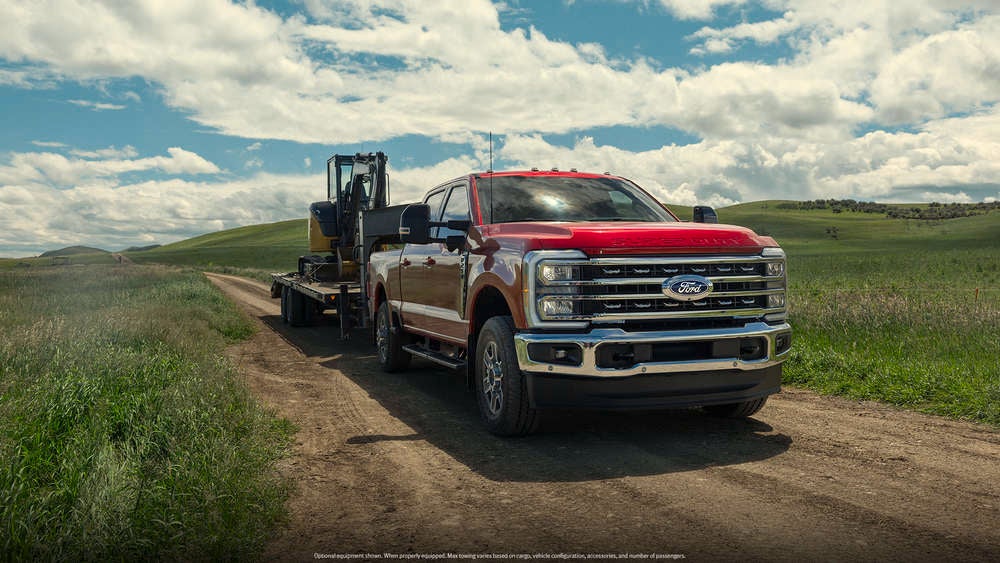
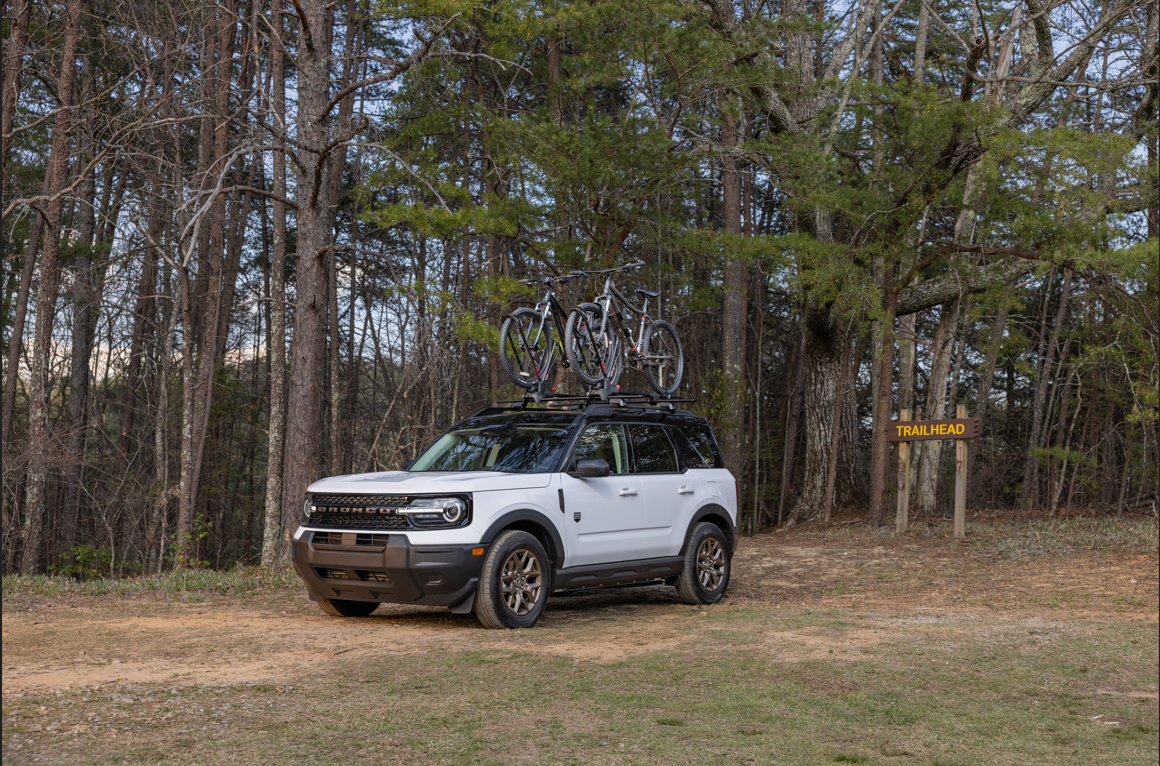
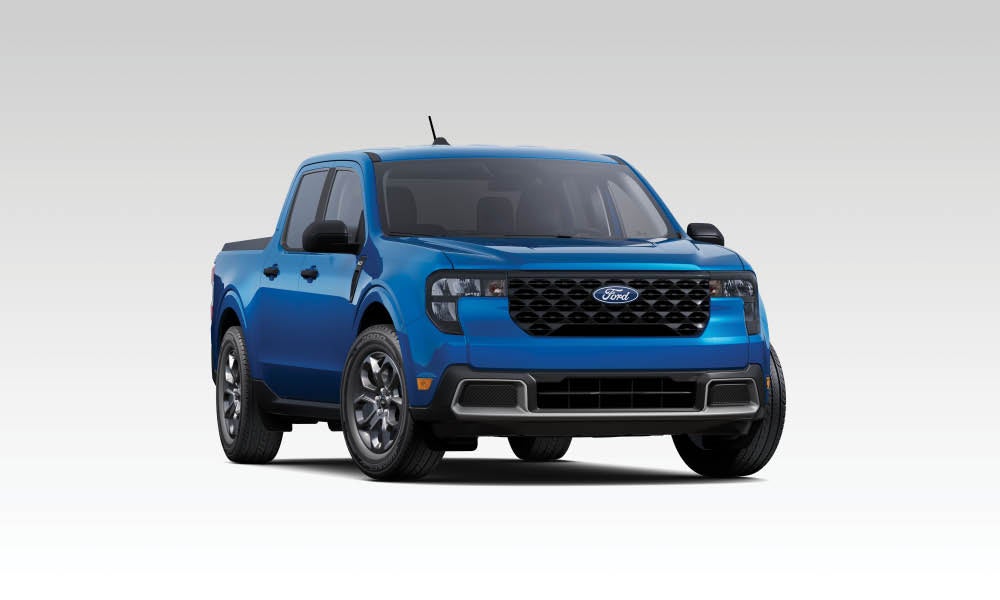
For drivers in Sealy and along the I-10 corridor west of Houston, that means looking beyond a broad brand reputation. An F-150 used for regular towing may need a different ownership plan than an Explorer used mainly for commuting and family travel. A Maverick XLT Hybrid, an Escape Active, or a Ford Blue Advantage vehicle may also fit different routines in very different ways.
Why Is Ford Reliability a Vehicle-Level Question?
Long-term reliability is best judged one vehicle at a time. Model year, trim, drivetrain, engine or powertrain, mileage, service history, and daily use all matter. A Ford that fits your routine is usually easier to maintain realistically over time than one that is asked to do more than its configuration was designed to handle.
Before choosing a vehicle, it helps to consider:
How far you drive in a typical week
Whether you tow, haul cargo, or carry work equipment
How many passengers and how much cargo space you need
Whether your routine includes stop-and-go driving, idling, or long highway trips
Which maintenance needs come with your chosen engine or powertrain
If you are comparing pre-owned options, Ryan Ford’s used Ford inventory and Ford Blue Advantage selection can help you compare vehicles with different histories, features, and ownership paths.
How Do You Choose the Right Ford for Long-Term Ownership?
The right vehicle is not simply the one with the most equipment. It is the one that fits your daily demands without placing unnecessary strain on the vehicle over time.
A helpful way to compare:
If you plan to tow or haul often, verify capability details for the exact vehicle. Towing and payload information can vary by model year, trim, engine, drivetrain, cab, bed, axle ratio, package, and installed equipment. The same is true for available technology, driver-assist features, and warranty or coverage details.
What Role Does Routine Service Play?
Routine service is one of the most practical ways to support long-term reliability. Ford owners should follow the maintenance information for the vehicle’s specific model year and configuration and use the owner’s manual and Ford owner resources as the guide.
Depending on the vehicle and how it is used, service may include:
Oil and filter service where applicable
Tire inspections and rotations
Brake inspections
Fluid checks
Battery testing
Filter replacement
Inspections related to towing, hauling, heavy cargo, or frequent idling
Service needs are not identical for every Ford. Age, mileage, climate, road conditions, and driving habits all affect what the vehicle may need over time.
If service convenience matters to your ownership plan, Ryan Ford offers ways to help owners stay on schedule, including the ability to schedule service online, use Ford Mobile Service where available, and request Ford Pickup & Delivery for participating service visits.
Why Should You Research the Exact Vehicle Before Buying?
Whether you are considering a new Ford, a used Ford, or a Ford Blue Advantage vehicle, it is important to research the exact unit rather than rely on general model information. The VIN, available history reports, maintenance records, and installed equipment can all affect long-term ownership.
Before making a decision, we suggest verifying:
Model year, trim, drivetrain, engine, or powertrain
VIN-specific equipment and installed packages
Available maintenance records and vehicle history information
Open recalls and applicable coverage details
Vehicle-specific capability, condition, and technology features
Driver-assist systems may be available on certain Ford vehicles depending on the model year and equipment. These systems are designed to assist in certain driving situations, but they do not replace an attentive driver, safe driving practices, or the driver’s responsibility to control the vehicle.
Find a Ford That Fits Your Ownership Goals
If you are still asking is Ford reliable, compare Ford Certified vehicles with their available history, warranty coverage, and inspection information in mind. At Ryan Ford, we can help you narrow your search based on the features and ownership priorities that matter to you. Contact us with questions about a specific vehicle, and confirm current pricing, availability, and equipment before making your decision.
Frequently Asked Questions
How Can I Check a Used Ford’s Maintenance History?
Ask to review available vehicle history information and maintenance records. It is also helpful to compare those records with the maintenance schedule in the owner’s manual and check for any open recalls.
Where Can I Find the Correct Maintenance Schedule for My Ford?
Use the owner’s manual and Ford owner resources for your vehicle’s model year. The recommended schedule may differ by model, powertrain, mileage, and operating conditions.
How Can Ford Blue Advantage Help Me Compare Used Ford Options?
Ask which Ford Blue Advantage program tier applies to the specific vehicle and request the applicable program documentation. That can help you understand the vehicle’s certification status and any coverage terms that may apply.
How Can I Confirm Which Driver-Assist Features a Used Ford Has?
Review the VIN-specific equipment information, any available window sticker information, and the owner’s manual for that model year. Feature availability and operation can vary by vehicle, trim, package, and configuration.