
Neither option is automatically better or less expensive. The right choice depends on how much you drive, how long you expect to keep the vehicle, how you use it, the specific lease or financing terms available to you and what you want to be able to do with the vehicle later.
Lease vs. Buy a Ford: The Short Version
These are starting points. Your actual Ford Credit agreement, financing terms, mileage needs, vehicle choice and future plans should determine the decision.
When Does Leasing a Ford Make Sense?
Leasing can make sense when you prefer a shorter vehicle cycle and your driving habits are reasonably predictable.
Ford Credit's Red Carpet Lease program offers multiple lease terms and mileage options. Your specific agreement determines your mileage allowance, payment obligations, wear-and-use requirements and lease-end responsibilities.
That makes estimating your real driving especially important.
Think about:
Your normal commute
Work-related driving
School and family transportation
Regular highway travel
Road trips
Weekend recreation
Expected changes in your household or job
If your driving changes significantly, the mileage allowance you originally selected may no longer fit your actual use.
Ford Credit states that mileage above the amount allowed in the lease agreement can result in an excess-mileage charge when a leased vehicle is returned. Review the mileage terms in your actual agreement before signing.
When Does Buying a Ford Make Sense?
Buying may make more sense when you plan to keep the vehicle longer or want more flexibility in how much you drive and how you use it.
Ford Credit's standard-purchase financing does not impose a mileage limitation. After you satisfy the obligations of the purchase contract, you own the vehicle and can decide whether to keep it, sell it or trade it later.
Buying may deserve stronger consideration if:
Your annual mileage is high or unpredictable
You plan to keep your Ford for many years
Your work or recreation may create heavier vehicle use
You want greater freedom to personalize the vehicle
You don't want lease-end mileage or wear-and-use requirements
Long-term ownership is important to you
Buying still comes with costs and responsibilities. Financing, insurance, maintenance, repairs, depreciation and eventual resale or trade value should all be considered.
Rather than deciding based only on a monthly payment, compare what each option means over the period you actually expect to use the vehicle.
Think About Which Ford Fits Your Timeline
Your vehicle needs today may not be the same several years from now.
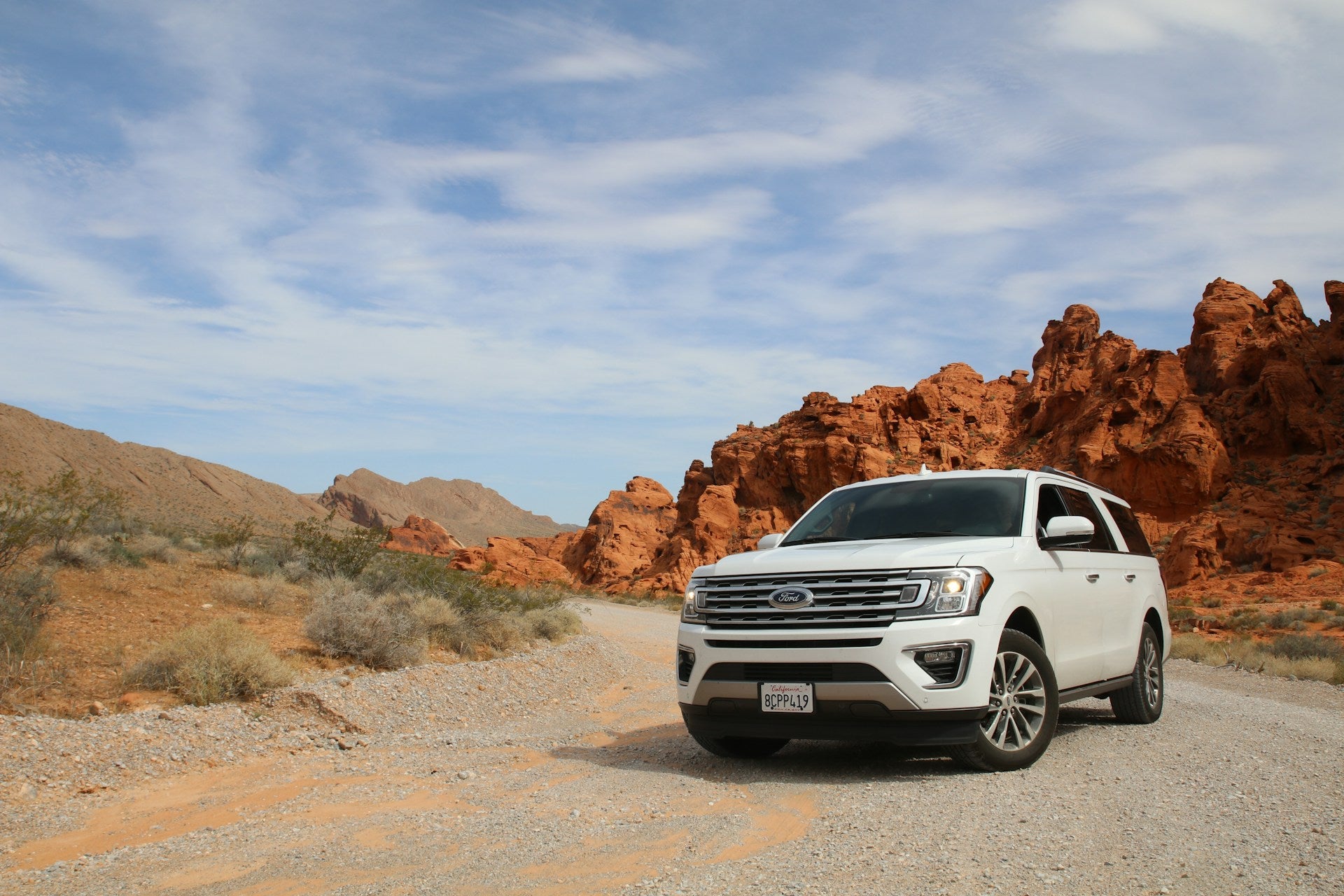
For example, someone who currently needs a smaller two-row SUV might consider an Escape or Bronco Sport. A household expecting to need three rows may instead evaluate an Explorer or Expedition.
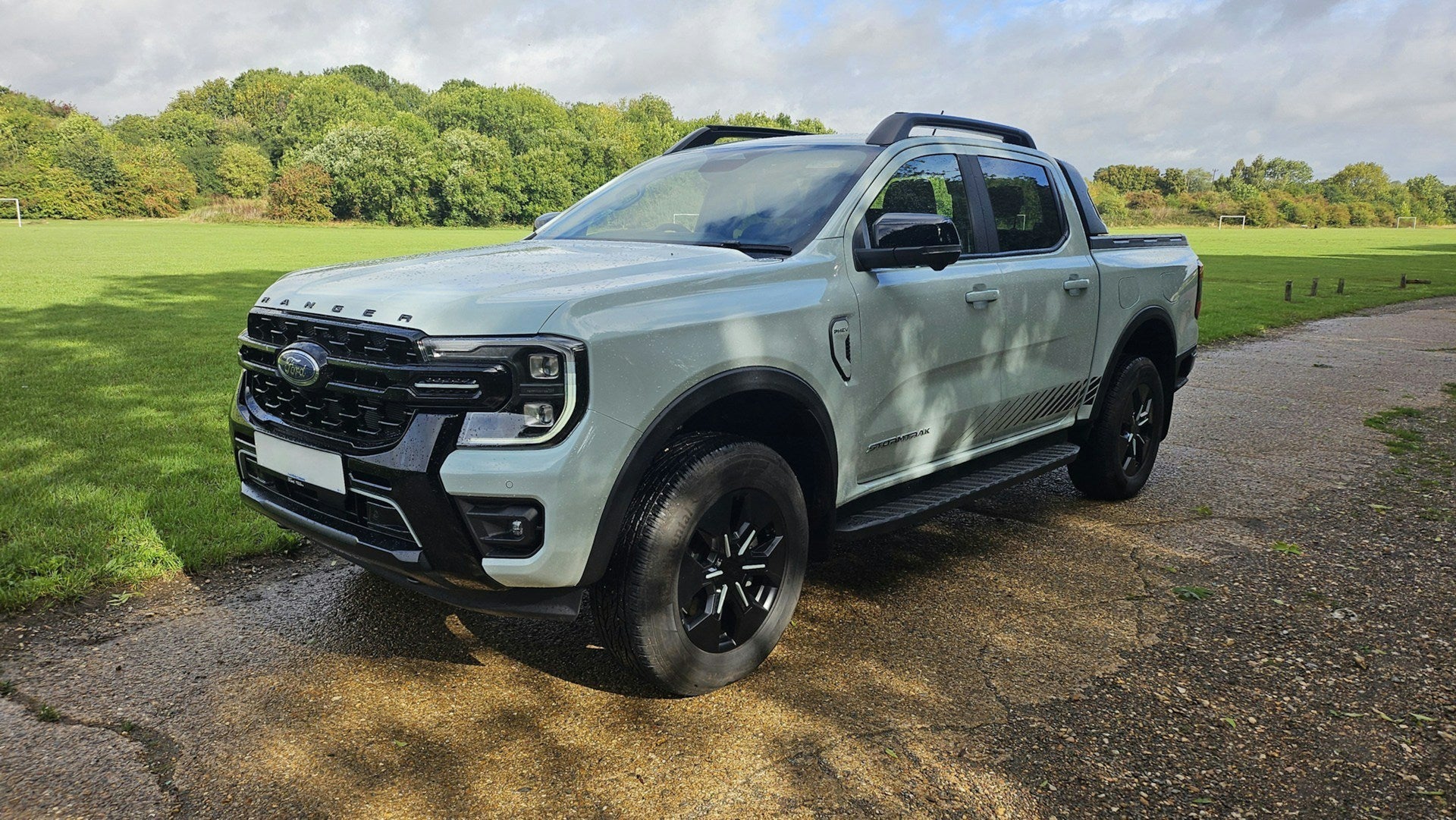
Truck shoppers should think about the same issue differently. A Ranger or F-150 may need to support commuting during the week and work, towing or recreation on the weekend.
If you expect your vehicle needs to change within a few years, a lease may deserve consideration because it provides a defined vehicle-use period followed by lease-end options.
If your needs are likely to remain stable and you expect to keep the same vehicle well beyond that period, buying may fit your plans better.
How Important Is Mileage When Deciding Whether to Lease or Buy?
Mileage is one of the clearest differences between leasing and buying.
Ford Credit's Red Carpet Lease offers different mileage options, but the mileage allowance becomes part of your lease agreement. If you return the vehicle with mileage above the contracted allowance, Ford Credit says the excess mileage is assessed a charge at lease end.
A standard vehicle purchase does not have a contractual mileage allowance.
That doesn't automatically mean buying is better for someone who drives a lot. It means you should estimate your mileage realistically before deciding.
Look at your actual driving from the past year and consider whether anything is likely to change.
If your commute is 50 miles today but could become 10 miles next year, or if your job could add significant travel, those possibilities belong in the lease-versus-buy discussion.
How Does Vehicle Wear Affect a Ford Lease?
Normal wear and use is expected on a leased Ford, but Ford Credit distinguishes normal use from excess wear and use.
Ford Credit's current guidance identifies potential excess wear-and-use issues such as certain vehicle damage, broken or missing parts, poor-quality repairs, mechanical or electrical malfunctions, and tires that are not an appropriate match for the vehicle.
Your Red Carpet Lease Agreement controls the applicable requirements.
This can matter if your Ford will regularly carry pets, children, tools, equipment or recreational gear, or if your work exposes the vehicle to conditions that could create heavier wear.
Buying doesn't eliminate the financial effect of vehicle condition. Damage and excessive wear can still affect repair costs and future resale or trade value. The difference is that a purchase does not subject the vehicle to contractual lease-return condition requirements.
What If You Need an F-150 for Towing or Hauling?
If you're deciding whether to lease or buy an F-150, start with the truck configuration you actually need.
Towing and payload can vary based on model year, powertrain, drivetrain, cab, bed, axle ratio, packages and other equipment. The advertised maximum for an F-150 does not mean every F-150 has that capability.
Ryan Ford's F-150 towing and payload guide explains how configuration affects those ratings.
Once you identify the appropriate truck, consider how you expect to use it during the lease or ownership period. Mileage, work use, towing frequency and expected wear can all be relevant to the lease-versus-buy decision.
Always confirm vehicle-specific towing and payload ratings and follow Ford's applicable towing guidance before towing or hauling.
What Happens at the End of a Ford Lease?
Ford Credit currently identifies three primary paths as you approach the end of a Red Carpet Lease:
Get another Ford.
Purchase your current leased Ford when a purchase option applies.
Return the leased Ford.
If a lease-end purchase option exists, Ford Credit says the purchase price can be found in the Red Carpet Lease Agreement or obtained through the appropriate Ford Credit or dealer channels.
Electric vehicles may not be eligible for purchase at lease end, so Ford Credit directs customers to their individual contract for details.
If you plan to return the vehicle, Ford Credit recommends preparing for its condition evaluation and offers a complimentary pre-inspection within 60 days of the lease-end date.
The specific obligations in your signed agreement control, so review your contract rather than assuming every lease has identical terms.
What Happens If You Exceed Your Lease Mileage?
If you return a Ford Credit lease with more mileage than the contract allows, Ford Credit states that the excess mileage is assessed a charge at lease end.
There is an important distinction if you decide to keep the vehicle.
Ford Credit currently states that if you purchase your leased vehicle at lease end, you are not charged for additional mileage. Other purchase obligations and terms still apply.
That does not mean you should choose a lease assuming you will simply buy the vehicle later. Your lease agreement and future needs should support the decision from the beginning.
Should Your Current Trade Affect the Decision?
Your current vehicle can affect either a lease or purchase transaction.
If you still owe money on your vehicle, obtain a current payoff amount and compare it with the vehicle's appraised value. Your payoff and appraisal are separate numbers, and the difference between them can affect the overall transaction.
You can begin with Ryan Ford's online trade appraisal.
If you're considering purchasing rather than leasing your next Ford, Ryan Ford's vehicle loan pre-approval guide can also help you prepare the information and documents you may want to have ready before applying.
Questions to Ask Before You Lease or Buy
Before deciding, ask yourself:
How many miles do I actually drive each year?
Is that mileage likely to change?
How long do I want to keep my next vehicle?
Could my passenger or cargo needs change?
Will the vehicle regularly be used for work, towing or hauling?
Am I comfortable with lease mileage and condition requirements?
Do I want to own the vehicle after completing my purchase contract?
What happens at the end of the lease I'm considering?
What are the total lease or financing terms, not just the monthly payment?
How does my current trade affect the transaction?
The more accurately you answer those questions, the more useful the lease-versus-buy comparison becomes.
Compare Leasing and Buying at Ryan Ford in Sealy
The decision doesn't have to start with a monthly payment. Start with the Ford you need and how you expect to use it, then compare the lease and purchase options available for that vehicle.
Browse Ryan Ford's new Ford vehicles, review the dealership's financing resources, or use the payment calculator as you consider your options.
Ryan Ford
3796 NE I-10 Frontage Rd.
Sealy, TX 77474
Sales: 866-401-7926
Local: 979-885-7700
Sales Hours: Monday-Friday 9:00 AM-7:00 PM; Saturday 9:00 AM-4:00 PM; Sunday closed
When you're ready to discuss a specific Ford and the options currently available for it, contact Ryan Ford.
Lease availability, eligibility, mileage options, pricing, incentives, financing terms and vehicle availability can change. Review the applicable Ford Credit agreement and confirm current vehicle-specific and transaction details before making a decision.
FAQs
Is it better to lease or buy a Ford?
It depends on how you drive and what you want from the vehicle. Leasing may fit someone who prefers changing vehicles every few years, has reasonably predictable mileage and is comfortable with lease requirements. Buying may fit someone who plans to keep the vehicle longer, has high or unpredictable mileage, or wants the flexibility of vehicle ownership.
Is there a mileage limit when you lease a Ford?
Yes. Ford Credit Red Carpet Lease agreements include a mileage allowance. Ford Credit currently offers multiple mileage options, and the allowance that applies to you is established by your agreement. Excess mileage can result in a charge when the vehicle is returned.
Is there a mileage limit when you finance a Ford?
Ford Credit's standard-purchase financing does not impose a mileage limitation. You own the vehicle after satisfying the obligations of the purchase contract.
Can I buy my leased Ford at the end of the lease?
You may have the option to purchase your Ford Credit Red Carpet Lease vehicle at lease end if a purchase option applies. Ford Credit says the lease-end purchase price can be found in your agreement or obtained through Ford Credit or your dealer. Electric vehicles may not be eligible for purchase at lease end, so review your specific contract.
What happens if I go over my Ford lease mileage?
Ford Credit states that excess mileage is assessed a charge at lease end when a returned vehicle exceeds the mileage allowed by the contract. If you purchase the vehicle at lease end, Ford Credit currently states that you will not be charged for additional mileage.
Does a leased Ford have to be in perfect condition when I return it?
No. Ford Credit allows for normal wear and use. Excess wear and use can result in charges, however, so review Ford Credit's current wear-and-use guidance and your Red Carpet Lease Agreement before returning the vehicle.
Can I trade my current vehicle if I decide to lease?
A trade can potentially be part of the transaction whether you're considering leasing or purchasing. The effect depends on the vehicle's appraisal, any outstanding loan balance and the specific transaction. Obtain your current payoff information and appraisal before deciding how to proceed.
Sources
- Ford Credit Financing Options — Ford Credit. Accessed October 2026.
- Ford Credit Lease-End Process — Ford Credit. Accessed October 2026.
- Ford Credit Wear and Use — Ford Credit. Accessed October 2026.
- Ford Credit: What Happens If I Exceed My Mileage Allowance? — Ford Credit. Accessed October 2026.
- Ford Credit: How Do I Buy My Leased Ford Credit Vehicle? — Ford Credit. Accessed October 2026.