Blog / Ford Dealership

2026 Ford Ranger: Trims, Capability, and Who It Fits Best

Ford Ranger

2026 Ford Ranger Trims, Engines, and Capability: What Each Version Offers

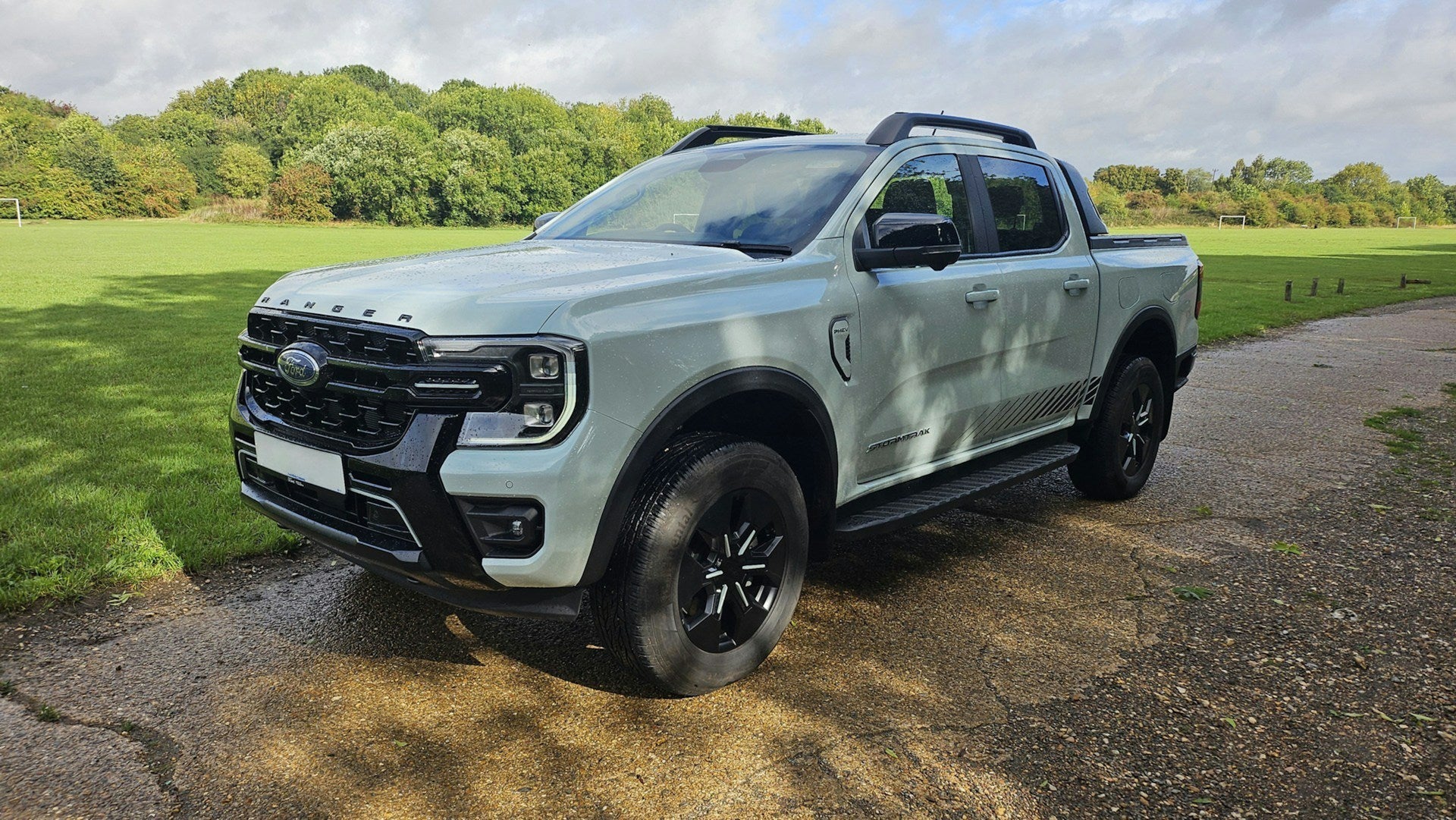
The 2026 Ford Ranger comes in four trims: XL, XLT, Lariat, and Raptor. Ford lists SuperCrew as the cab type on every one, each with a 59.6-inch Styleside bed. [1] What changes from trim to trim is the engine, the drivetrain, the equipment, and what the truck can tow and carry. The XL, XLT, and Lariat can reach a maximum available towing capacity of 7,500 pounds when properly equipped with the Trailer Tow Package, while the Raptor's maximum is 5,510 pounds. [1] Those are maximums, and the exact truck's ratings depend on its engine, drivetrain, and equipment.

Drivers around Sealy, Katy, Brookshire, Fulshear, Columbus, and Bellville use midsize trucks for very different jobs, so below we show each configuration's numbers alongside the configuration they apply to.

What Are the 2026 Ford Ranger Trims?


Trim

Engine

Drivetrain

What Ford Highlights

XL

2.3L EcoBoost

4x2 standard, 4x4 available

10-inch center display and 8-inch cluster display with SYNC 4A, Lane-Keeping System, cloth bucket seats, available FX4 Off-Road Package, available Trailer Tow Package [1]

XLT

2.3L EcoBoost; 2.7L EcoBoost V6 available

4x2 standard, 4x4 available

Co-Pilot360 Technology, SiriusXM with 360L, available Technology Package, available Advanced Towing Package, available power moonroof with power-sliding rear window, available power heated seats [1]

Lariat

2.3L EcoBoost; 2.7L EcoBoost V6 available

4x2 standard, 4x4 available

12-inch center and cluster displays, 360-degree camera, push-button start with Intelligent Access, power heated ActiveX-trimmed front seats with driver memory, B&O sound system, heated steering wheel [1]

Raptor

3.0L EcoBoost V6

4x4 standard

FOX 2.5-inch Live Valve shocks, Watts-link rear suspension, electronic-locking front and rear axles, seven selectable drive modes including Baja, 10.7 inches of ground clearance [1]

Some equipment above is optional or package-dependent, so confirm it on the exact truck's window sticker.

What Engines Does the 2026 Ranger Offer?


Engine

Horsepower

Torque

Offered On

EPA Estimate (City/Hwy/Combined)

2.3L EcoBoost I-4

270

310 lb-ft

Standard on XL, XLT, Lariat

4x2: 21/25/23; 4x4: 19/24/21

2.7L EcoBoost V6

315

400 lb-ft

Available on XLT, Lariat (4x4)

18/23/20

3.0L EcoBoost V6

405

430 lb-ft

Raptor only

16/18/17

Every engine pairs with a 10-speed automatic transmission. [1] Ford recommends 87 octane for the 2.3L and 2.7L and 91 octane for the 3.0L, and notes that actual mileage will vary. [1]

Does the 2026 Ranger Come in Different Cab and Bed Sizes?

For 2026, the cab is SuperCrew and the bed is 59.6 inches long at the floor, 48.2 inches wide between the wheelhouses, with 43.5 cubic feet of cargo volume. [1] The wheelbase is 128.7 inches, and overall length is 210.6 inches (210.9 on the Raptor). [1] The cabin seats five, with 34.6 inches of rear legroom. [1] If you want a longer bed or a different cab, compare against another Ford truck before you decide.

How Much Can a 2026 Ford Ranger Tow and Carry?


Configuration

Max Towing

Max Payload

GVWR

GCWR

2.3L EcoBoost, 4x2

7,500 lbs

1,767 lbs

6,050 lbs

12,370 lbs

2.3L EcoBoost, 4x4

7,500 lbs

1,763 lbs

6,170 lbs

12,590 lbs

2.7L EcoBoost V6, 4x4

7,500 lbs

1,513 lbs

6,170 lbs

12,745 lbs

3.0L EcoBoost V6, Raptor 4x4

5,510 lbs

1,373 lbs

6,790 lbs

11,465 lbs

Ford states these are maximums for properly configured trucks. [1][2] Opting for the larger engine or the Raptor trades payload for power: the 2.7L's maximum payload is about 250 pounds lower than the 2.3L 4x4's, and the Raptor's maximum towing is 1,990 pounds lower than the other trims.

Three things to know before you tow:

  • Ford says the Trailer Tow Package is required if you intend to tow with a Ranger. It is standard on the Raptor. [1] Ford's towing guide calls for it on trailers over 3,500 pounds and sets a 3,500-pound limit when towing with the bumper only. [2]

  • For conventional trailers over 2,000 pounds, Ford puts tongue weight at 10% of the loaded trailer weight. Tongue weight counts as part of payload. [2]

  • Payload is the combined weight of passengers and cargo the truck can carry, so passengers, bed cargo, accessories, and tongue weight all use it. [2]

Which Ranger Trim Fits Which Driver?

Based on Ford's specifications:

  • Work and value: The XL has the 2.3L engine, the 7,500-pound maximum towing, and the highest maximum payload, and FX4 is available on it.

  • Everyday comfort and technology: The XLT and Lariat add the available 2.7L V6 and more equipment, and both carry the 7,500-pound maximum with the tow package.

  • Hard off-road use: The Raptor adds the 3.0L V6, locking axles, and Live Valve shocks, with lower towing and payload maximums.

  • Light off-road use without the Raptor: The available FX4 Off-Road Package includes off-road tuned shocks, a steel bash plate, an electronic-locking rear differential, all-terrain tires, and Trail Control. [1]

What Should I Confirm on the Exact Truck?

Check the window sticker, the doorjamb label for payload, and Ford's owner's manual before you commit. Ford covers the Ranger with 3-year/36,000-mile bumper-to-bumper and 5-year/60,000-mile powertrain coverage, and the details for your truck are in its warranty documents. [1] If you can't find the Ranger you want on the lot, Ryan Ford offers Custom Order through Ford, and our team can help you configure it.

Where Can I See a Ford Ranger SuperCrew in Sealy, TX?

Browse our new Ford inventory or our Ford model research page to compare the trims above. You can schedule a test drive, request a trade appraisal, or start with our Finance Department using the payment calculator or credit application. Our Service Department can keep your truck maintained, and you can schedule service online.

Ryan Ford
 3796 NE I-10 Frontage Rd., Sealy, TX 77474
 Sales: 866-401-7926 | Service: 866-609-3673

  • Sales: Monday to Friday, 9:00 AM to 7:00 PM; Saturday, 9:00 AM to 4:00 PM

  • Service: Monday to Friday, 7:30 AM to 6:00 PM; Saturday, 8:00 AM to 2:00 PM

  • Closed Sunday

We are on the I-10 corridor, serving drivers in Sealy, Katy, Brookshire, Fulshear, Columbus, and Bellville. Tell us what you plan to haul and tow, and we will help you narrow down the 2026 Ranger that fits.

Sources
 [1] Ford, 2026 Ford Ranger
 [2] Ford, 2026 Ford RV & Trailer Towing Guide (Ranger page and Weight Limits section)
Claim Sheet


#

Claim

Source

Status

1

Four trims: XL, XLT, Lariat, Raptor

[1]

Verified

2

SuperCrew is the cab type for every trim; one Styleside bed

[1]

Verified. 

3

Bed 59.6 in long, 48.2 in between wheelhouses, 43.5 cu ft

[1]

Verified

4

Wheelbase 128.7 in; length 210.6 in (Raptor 210.9)

[1]

Verified

5

Seats five; rear legroom 34.6 in

[1]

Verified

6

Engine horsepower and torque; trim availability

[1]

Verified

7

Recommended fuel: 87 octane (2.3L, 2.7L), 91 octane (3.0L)

[1]

Verified

8

10-speed automatic with all engines

[1]

Verified

9

4x2 standard on XL, XLT, Lariat; 4x4 available; Raptor 4x4 standard

[1]

Verified

10

2.7L offered with 4x4

[1]

Verified in Ford's drivetrain and payload tables

11

EPA estimates by engine and drivetrain

[1]

Verified. Ford notes actual mileage will vary

12

Max towing 7,500 lbs (XL, XLT, Lariat) and 5,510 lbs (Raptor); package required

[1]; [2] Ranger page

Verified, and the two sources agree

13

GCWR by configuration

[1]; [2] Ranger page

Verified, and the two sources agree

14

Max payload by configuration

[1]

Verified in Ford's configuration table. Ford's own page also lists 1,788 lbs once in its FAQ, versus 1,767 lbs in its hero and spec table. The article uses the configuration table

15

GVWR by configuration

[1]

Verified

16

Trailer Tow Package required; needed over 3,500 lbs; 3,500-lb bumper-only limit

[1]; [2] Ranger page

Verified

17

Tongue weight is 10% of loaded trailer for conventional trailers over 2,000 lb; counts as payload

[2] Weight Limits section

Verified. This is Ford's general guidance, not a Ranger-only figure

18

Payload definition

[2] Weight Limits section

Verified

19

Trim features (XL, XLT, Lariat, Raptor)

[1]

Verified as Ford's feature lists. Some items are optional or package-dependent, so the article tells readers to confirm on the window sticker

20

FX4 package contents; available on XL

[1]

Verified

21

Raptor ground clearance 10.7 in

[1]

Verified

22

Warranty terms

[1]

Verified

23

Address, phones, hours, service area

ryanford.com Hours & Directions

Verified on the dealer site


Posted in:

Related Posts

F-350 Chassis Cab

Commercial Ford Trucks: Selecting a Chassis Cab for Your Business

How to Choose a Ford Chassis Cab for Your Business The right Ford chassis cab starts with the work the finished truck needs to do. Before choosing a model, think about the body being installed, expected payload, towing needs, crew size, jobsite conditions, wheelbase requirements, and the GVWR range that fits the completed vehicle. For businesses in Sealy and along the I-10 corridor west of Houston, that can lead to very different answers. A service company, contractor, ranch operation, delivery business, and towing-related operation may all need very different chassis, cab, and upfit combinations. That is why the best place to start is the completed work truck, not just the badge on the front fender. If you want to compare current options, start with Ryan Ford’s new commercial inventory, then review the broader market through the used inventory. If you are replacing an existing work truck, Ryan Ford also offers a trade appraisal, and businesses planning their next purchase can begin with the online finance application. Specifications, pricing, availability, equipment, body compatibility, and final ratings can vary by model year, trim, engine, drivetrain, wheelbase, upfit, axle ratio, and configuration, so confirm details for the specific vehicle with Ryan Ford and Ford before making a decision. Which Ford Chassis Cab Models Should You Compare? Ford’s current chassis cab lineup gives commercial buyers several classes to compare. In the 2026 model year, Ford offers Super Duty Chassis Cab models in F-350, F-450, F-550, and F-600 form. Ford inventory and model resources also show XL and XLT trims across the lineup, depending on the model. A practical starting point looks like this: Model Applications & Considerations F-350 Chassis Cab • Good place to start for lighter commercial upfits • Often worth comparing for service-body, utility-body, flatbed, and contractor applications • Final suitability still depends on cab style, engine, drivetrain, wheelbase, and GVWR configuration F-450 Chassis Cab • Worth comparing for heavier-duty service and towing-focused commercial use • Can make sense when the body, trailer, or work equipment demands more than a lighter chassis F-550 Chassis Cab • Often researched for dump, utility, towing, and larger vocational-body needs • Should be matched carefully to upfit weight and axle needs F-600 Chassis Cab • Designed for heavier commercial applications • Worth comparing when body weight, equipment, and duty cycle move beyond lighter setups If you want to review Ford’s current chassis-cab lineup before narrowing your search, it helps to compare the 2026 Super Duty model information, the 2026 Super Duty Chassis Cab towing guide, and the 2026 Ford RV and Trailer Towing Guide. Why Does the Completed Truck Matter More Than the Chassis Alone? A chassis cab is only the starting point. Once a body, tools, mounted equipment, passengers, fuel, accessories, and trailer-related loads are added, the truck’s real-world needs can change quickly. That is why commercial buyers should focus on: The intended body type Installed body weight Tool and cargo weight Passenger count Trailer type and loaded trailer weight Route conditions and worksite access A service body filled with tools can change available payload. So can liftgates, compressors, ladder racks, tanks, winches, drawers, and other equipment. Trailer tongue weight also matters if the truck will tow. How Should You Think About GVWR, Payload, and Towing? GVWR means Gross Vehicle Weight Rating. It is the maximum allowed weight of the truck itself plus the body, fuel, passengers, tools, cargo, and installed equipment. Payload is what remains after the vehicle’s weight is accounted for. GCWR refers to the combined weight of the loaded truck and loaded trailer. For chassis-cab buyers, these terms are not abstract. They shape whether the completed truck actually fits the work. A few reminders matter here: A higher chassis class does not remove the need to calculate finished weight Axle ratings still matter after the body and equipment are installed Towing ratings must match the exact truck and its equipment Upfit weight can reduce available payload quickly Ford’s towing information should be read as configuration-specific guidance, not a blanket promise for every truck in the lineup. Cab style, engine, axle ratio, drivetrain, wheelbase, hitch equipment, and body weight all affect the final answer. How Do Cab, Wheelbase, and Upfit Planning Work Together? Cab choice affects more than seating. A Regular Cab may leave more room for body length. A SuperCab or Crew Cab may better suit a team that travels together. The right answer depends on how the truck will be used during a normal workweek. Wheelbase and cab-to-axle measurements are just as important. A flatbed, service body, dump body, enclosed body, or tow body has to fit the chassis correctly. The upfit provider’s requirements matter as much as Ford’s base chassis information. Before narrowing your search, it helps to bring a simple work-truck outline: Intended body type Estimated installed body weight Tools, equipment, and cargo weight Passenger count Expected trailer weight Space needs for turning, parking, and jobsite access Future equipment plans if the business may grow into a heavier setup That preparation usually leads to a better commercial-truck decision than starting with a model name alone. What Powertrain and Worksite Features Should You Compare? Powertrain choice should support the work, not just the highest output figure. A truck that tows regularly, idles often, or carries heavy equipment all day may need a different setup than one used for lighter service calls or shorter local routes. Commercial buyers should compare: Engine availability for the specific chassis Drivetrain configuration PTO-related needs, if applicable Transmission and equipment compatibility Towing-related technology that may support daily work Available driver-assistance and towing-related systems are designed to assist the driver, but they do not replace attentive driving, proper loading, maintenance, or safe worksite practices. Can Service Planning Affect the Right Chassis-Cab Choice? Yes. Choosing the right work truck is also about how it will be maintained over time. A truck that fits your workload more closely can be easier to keep on schedule for routine service, inspections, and tire or brake wear management. If service convenience matters to your business, Ryan Ford also offers online service scheduling, Ford Mobile Service, and Ford Pickup & Delivery for participating service visits. Find a Chassis Cab That Fits Your Work Browse commercial Ford trucks in Sealy, Texas to compare Ford models and begin narrowing down the right starting point for your operation. At Ryan Ford, our team can help you consider the vehicle details that matter for your planned upfit and daily demands. For help with your next steps, contact us to discuss your needs. Please confirm specifications, equipment, pricing, and availability for the specific vehicle before making a decision. Frequently Asked Questions What Is the Difference Between a Chassis Cab and a Pickup Truck? A pickup usually includes a factory cargo bed. A chassis cab is designed to receive a vocational body or specialized commercial equipment. How Do I Know Which GVWR My Business Needs? Start with the completed vehicle weight, not the empty chassis. Include the body, tools, cargo, fuel, passengers, accessories, and expected trailer-related loads. Can a Chassis Cab Be Used for Towing and Carrying Equipment? Many chassis-cab configurations can be equipped for both, but ratings vary significantly by engine, cab, drivetrain, axle ratio, wheelbase, body weight, and installed equipment. Should I Choose the Upfit Before Choosing the Truck? Yes. The intended body and equipment should be identified early because cab-to-axle length, wheelbase, GVWR, axle ratings, and equipment needs can all affect which chassis is appropriate.

Ford Ownership

Can Ford Ownership Deliver Long-Term Reliability?

Ford Reliability: What Owners Should Consider Long Term If you are asking whether Ford is reliable for the long haul, the practical answer is that long-term reliability depends on the specific vehicle, how well it matches your needs, and whether it receives the maintenance its model year and configuration require. No brand or vehicle delivers the same result for every driver. For drivers in Sealy and along the I-10 corridor west of Houston, that means looking beyond a broad brand reputation. An F-150 used for regular towing may need a different ownership plan than an Explorer used mainly for commuting and family travel. A Maverick XLT Hybrid, an Escape Active, or a Ford Blue Advantage vehicle may also fit different routines in very different ways. Why Is Ford Reliability a Vehicle-Level Question? Long-term reliability is best judged one vehicle at a time. Model year, trim, drivetrain, engine or powertrain, mileage, service history, and daily use all matter. A Ford that fits your routine is usually easier to maintain realistically over time than one that is asked to do more than its configuration was designed to handle. Before choosing a vehicle, it helps to consider: How far you drive in a typical week Whether you tow, haul cargo, or carry work equipment How many passengers and how much cargo space you need Whether your routine includes stop-and-go driving, idling, or long highway trips Which maintenance needs come with your chosen engine or powertrain If you are comparing pre-owned options, Ryan Ford’s used Ford inventory and Ford Blue Advantage selection can help you compare vehicles with different histories, features, and ownership paths. How Do You Choose the Right Ford for Long-Term Ownership? The right vehicle is not simply the one with the most equipment. It is the one that fits your daily demands without placing unnecessary strain on the vehicle over time. A helpful way to compare: Ownership Need Ford Vehicles to Research What to Confirm Work, hauling, or towing F-150 XL, F-150 XLT, Ranger XLT, Super Duty trims Cab, bed, engine, drivetrain, axle ratio, towing equipment, and payload details Family transportation Explorer Active, Explorer ST-Line, Escape Active Seating layout, cargo flexibility, passenger needs, and maintenance planning Frequent commuting Maverick XLT Hybrid, Escape, other efficient Ford options Powertrain, mileage patterns, fuel-use expectations, and routine service needs Used or certified shopping Ford Blue Advantage vehicles Service records, vehicle history, recalls, and applicable coverage terms If you plan to tow or haul often, verify capability details for the exact vehicle. Towing and payload information can vary by model year, trim, engine, drivetrain, cab, bed, axle ratio, package, and installed equipment. The same is true for available technology, driver-assist features, and warranty or coverage details. What Role Does Routine Service Play? Routine service is one of the most practical ways to support long-term reliability. Ford owners should follow the maintenance information for the vehicle’s specific model year and configuration and use the owner’s manual and Ford owner resources as the guide. Depending on the vehicle and how it is used, service may include: Oil and filter service where applicable Tire inspections and rotations Brake inspections Fluid checks Battery testing Filter replacement Inspections related to towing, hauling, heavy cargo, or frequent idling Service needs are not identical for every Ford. Age, mileage, climate, road conditions, and driving habits all affect what the vehicle may need over time. If service convenience matters to your ownership plan, Ryan Ford offers ways to help owners stay on schedule, including the ability to schedule service online, use Ford Mobile Service where available, and request Ford Pickup & Delivery for participating service visits. Why Should You Research the Exact Vehicle Before Buying? Whether you are considering a new Ford, a used Ford, or a Ford Blue Advantage vehicle, it is important to research the exact unit rather than rely on general model information. The VIN, available history reports, maintenance records, and installed equipment can all affect long-term ownership. Before making a decision, we suggest verifying: Model year, trim, drivetrain, engine, or powertrain VIN-specific equipment and installed packages Available maintenance records and vehicle history information Open recalls and applicable coverage details Vehicle-specific capability, condition, and technology features Driver-assist systems may be available on certain Ford vehicles depending on the model year and equipment. These systems are designed to assist in certain driving situations, but they do not replace an attentive driver, safe driving practices, or the driver’s responsibility to control the vehicle. Find a Ford That Fits Your Ownership Goals If you are still asking is Ford reliable, compare Ford Certified vehicles with their available history, warranty coverage, and inspection information in mind. At Ryan Ford, we can help you narrow your search based on the features and ownership priorities that matter to you. Contact us with questions about a specific vehicle, and confirm current pricing, availability, and equipment before making your decision. Frequently Asked Questions How Can I Check a Used Ford’s Maintenance History? Ask to review available vehicle history information and maintenance records. It is also helpful to compare those records with the maintenance schedule in the owner’s manual and check for any open recalls. Where Can I Find the Correct Maintenance Schedule for My Ford? Use the owner’s manual and Ford owner resources for your vehicle’s model year. The recommended schedule may differ by model, powertrain, mileage, and operating conditions. How Can Ford Blue Advantage Help Me Compare Used Ford Options? Ask which Ford Blue Advantage program tier applies to the specific vehicle and request the applicable program documentation. That can help you understand the vehicle’s certification status and any coverage terms that may apply. How Can I Confirm Which Driver-Assist Features a Used Ford Has? Review the VIN-specific equipment information, any available window sticker information, and the owner’s manual for that model year. Feature availability and operation can vary by vehicle, trim, package, and configuration.

Ford F-250

Understanding Ford F-250 Super Duty Powertrains for Towing

Ford F-250 Super Duty Towing Powertrain Overview If towing is one of your main reasons for shopping a heavy-duty truck in Sealy, the right 2026 Ford F-250 Super Duty powertrain depends on more than horsepower or torque alone. Your loaded trailer weight, hitch type, cargo, passengers, axle ratio, cab style, bed length, drivetrain, and factory towing equipment all affect the rating of a specific truck. For a current-model overview, Ford lists four 2026 Super Duty engine choices. The 6.8L gas V8 is rated at 405 horsepower and 445 lb.-ft. of torque. The available 7.3L gas V8 is rated at 430 horsepower and 485 lb.-ft. of torque. The available 6.7L Power Stroke® V8 Turbo Diesel is rated at 475 horsepower and 1,050 lb.-ft. of torque. The available High-Output 6.7L Power Stroke® V8 Turbo Diesel is rated at 500 horsepower and 1,200 lb.-ft. of torque. Those figures give you a useful starting point, but the correct towing answer always comes from the exact truck and the exact trailer you plan to use. If you want to compare available trucks locally, start with Ryan Ford’s new Ford inventory, then review the used truck inventory and Ford Blue Advantage vehicles. Specifications, pricing, availability, and equipment can vary by model year, trim, package, drivetrain, cab, bed, axle ratio, and configuration, so confirm the details for the specific truck with Ryan Ford and Ford before making a final decision. What Powertrains Are Available in the 2026 F-250 Super Duty? Ford’s current Super Duty information gives F-250 shoppers a clear engine lineup to compare. Engine Horsepower Torque Key Details 6.8L Gas V8 405 hp 445 lb.-ft. Standard on F-250 XL 7.3L Gas V8 430 hp 485 lb.-ft. Available on XL and XLT 6.7L Power Stroke® V8 Turbo Diesel 475 hp 1,050 lb.-ft. Designed for heavier-duty towing High-Output 6.7L Power Stroke® V8 Turbo Diesel 500 hp 1,200 lb.-ft. Available on select configurations Ford’s 2026 Super Duty model overview, the F-250 XL model details, and the 2026 Super Duty technical specifications are useful places to review those current engine figures. Why Does the Whole Truck Matter More Than the Engine Alone? A higher torque figure does not mean every diesel F-250 tows the same amount. Ford towing ratings are configuration-specific. That means the final number depends on the truck’s engine, axle ratio, drivetrain, cab, bed, hitch setup, payload, and other factory equipment. For example, one F-250 Crew Cab 4x4 with diesel power may be configured very differently from another F-250 Regular Cab 4x2 with a gas engine. Even though both wear the same nameplate, their towing ratings, payload ratings, and trailer suitability can be very different. That is why the most useful towing comparison includes: Your trailer’s fully loaded weight, not just its empty weight Conventional tongue weight or fifth-wheel pin weight Passenger and cargo weight in the truck Hitch type and trailer brake setup Typical route, grades, and towing frequency Ford’s 2026 Super Duty towing guide makes the same point. Maximum towing figures apply only to properly equipped vehicles and vary based on configuration, cargo, accessories, and the number of passengers. Should You Choose a Gas or Diesel F-250? That depends on how often you tow, how heavy the trailer is, and how you use the truck the rest of the week. A gas F-250 can make sense if your work or recreation involves lighter trailers, occasional towing, or a preference for a gas-engine setup. The 6.8L gas V8 gives you the standard starting point, while the available 7.3L gas V8 is worth comparing if you want added gas-engine output. A diesel F-250 may deserve a closer look if your routine includes frequent towing, heavier equipment trailers, or longer hauling distances. The available 6.7L Power Stroke® diesel and the High-Output version bring much higher torque figures, but the truck still has to be matched to the trailer correctly. For many Sealy-area towing decisions, the better question is not simply gas or diesel. It is which exact truck fits the trailer, the cargo, the route, and the frequency of use. What Towing Equipment Should You Compare With the Powertrain? A capable engine is only part of a safe towing setup. The rest of the truck matters just as much. Trailer brakes, hitch equipment, mirrors, tire choice, cargo placement, and payload all affect the real towing experience. Ford also offers available towing-focused technology on current Super Duty trucks, including features such as Pro Trailer Backup Assist™, Pro Trailer Hitch Assist™, and Onboard Scales with Smart Hitch on certain configurations. These systems are designed to assist the driver, not replace attentive driving, proper loading, or correct trailer setup. If you expect to tow often, it helps to review: Hitch type and trailer connection requirements Trailer brake controller availability Mirrors and visibility needs Payload label information Tire and wheel setup Bed length if fifth-wheel or gooseneck towing is part of the plan If you are trading out of your current truck before moving into a different towing setup, Ryan Ford’s trade appraisal tool can help you prepare for the next step. How Should You Confirm the Right F-250 Setup? The best way to confirm a towing setup is to compare the exact truck, the exact trailer, and the exact equipment together. Door-jamb labels, the towing guide, the owner’s manual, and the truck’s installed equipment matter more than a broad lineup maximum. This is especially important for shoppers comparing: Regular Cab, SuperCab™, and Crew Cab layouts 4x2 and 4x4 drivetrains Different bed lengths Gas and diesel powertrains Conventional towing versus fifth-wheel or gooseneck towing If ownership support matters after the purchase, Ryan Ford also offers online service scheduling, Ford Mobile Service, and Ford Pickup & Delivery for participating service visits. Compare Powertrain Options With Confidence Review the Ford F-250 Super Duty in Katy to compare available configurations and focus on the equipment that fits your towing needs. Our team at Ryan Ford can help you narrow down the powertrain, cab, bed, and available towing equipment to consider. When you are ready to discuss your truck needs, contact us for personalized assistance. Frequently Asked Questions Which 2026 F-250 Engine Has the Most Torque? The available High-Output 6.7L Power Stroke® V8 Turbo Diesel has the highest published torque figure in the 2026 F-250 lineup at 1,200 lb.-ft. Torque alone does not determine the truck’s final towing rating. Is the 7.3L Gas V8 Better Than the 6.8L Gas V8 for Towing? Not automatically. The 7.3L gas V8 has higher published output, but the better choice depends on the exact truck configuration, trailer weight, payload needs, and how often you tow. Do I Need Diesel for Every Heavy Trailer? Not always. Some gas-engine F-250 configurations may fit certain towing needs well. The correct answer depends on the exact trailer, loading, route, and the truck’s published rating. Why Should I Bring My Trailer Details Before Comparing Trucks? Because loaded trailer weight, tongue or pin weight, passengers, cargo, hitch equipment, and route conditions all affect whether a specific F-250 configuration fits your towing needs.