Blog / Ford Dealership

Blog

All Ford Dealership
Ford Ranger

Ford Ranger Vs. Toyota Tacoma for Texas Work and Weekends

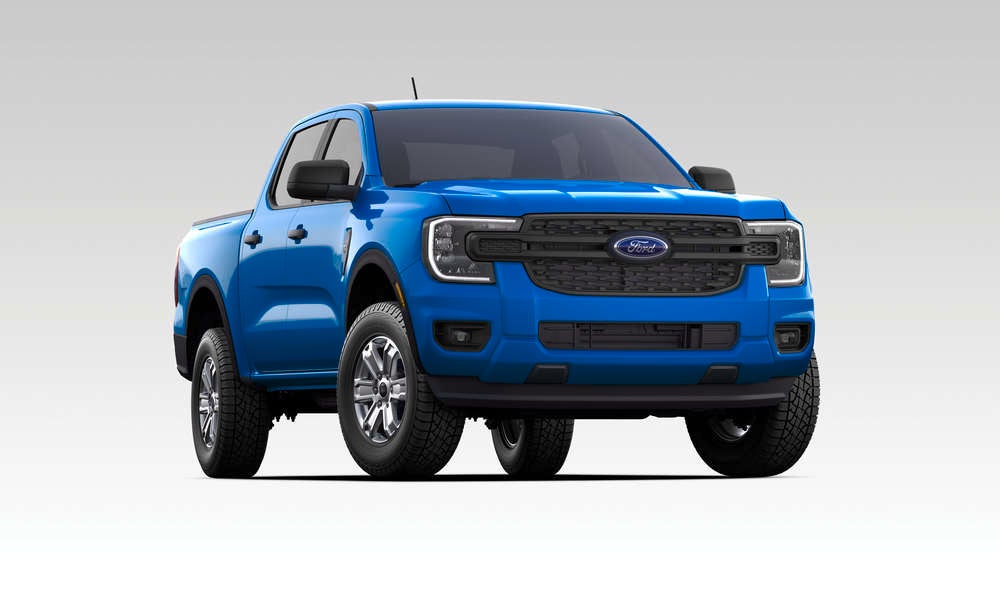
For drivers in Sealy and along the I-10 corridor west of Houston, the better choice usually comes down to how the truck will be used most often. In a current-model comparison, the 2026 Ford Ranger XLT SuperCrew 4x4 with the standard 2.3L EcoBoost® engine is rated at 270 horsepower and 310 lb.-ft. of torque. Ford also lists a maximum available towing rating of 7,500 pounds with the available Trailer Tow Package, and the Ranger XLT page lists a maximum available payload of 1,763 pounds for the 2.3L 4x4 configuration. A 2026 Toyota Tacoma TRD Sport Double Cab 4x4 with the turbocharged 2.4L engine and automatic transmission is rated at 278 horsepower and 317 lb.-ft. of torque. If you want to compare current configurations before narrowing your decision, it can help to start with Ryan Ford’s new Ford Ranger inventory, then look at the broader market through the used truck inventory and available Ford Blue Advantage vehicles. Specifications, pricing, availability, and equipment can vary by model year, trim, package, drivetrain, cab, bed, axle ratio, and vehicle configuration, so confirm the exact details for the specific truck with Ryan Ford and the manufacturer before making a decision. What Is The Best Way To Compare These Two Trucks? Start with the exact trucks, not just the model names. Ford’s Ranger XLT model details and the 2026 Ranger order guide confirm that Ranger XLT uses the 2.3L EcoBoost® engine as standard, offers available 4x4, and uses a SuperCrew® body style. Toyota’s Tacoma full specs show the current TRD Sport 4x4 powertrain figures and highlight how much the Tacoma lineup can vary by cab, bed, and powertrain. That matters in Sealy because a midsize truck may need to handle weekday commuting, jobsite errands, ranch or property tasks, and weekend towing or travel. A headline maximum can be useful, but it does not answer every real-world question about the specific truck in front of you. How Should You Compare Towing And Payload? Towing and payload deserve the closest review because these numbers can change quickly based on configuration. Ford lists a maximum available 7,500-pound towing rating for properly equipped 2026 Ranger XLT models with the available Trailer Tow Package. Toyota lists Tacoma towing up to 6,500 pounds and payload up to 1,705 pounds, but those are lineup figures, not a promise for every trim. For Sealy drivers who tow only a few times a year, the most important number is not the biggest published figure. It is the rating for the exact truck you plan to own. Trailer weight, hitch equipment, trailer brakes, bed cargo, passengers, and trailer tongue weight all affect what a truck can handle safely and legally. A simple real-world checklist can help: How much weight will usually be in the bed? How many passengers are typically in the truck? Will tools or work gear stay in the truck full time? Will the trailer have meaningful tongue weight? Does your route include county roads, gravel, mud, or property access where 4x4 may help? If towing is one of the first reasons you are considering a midsize truck, the Ranger gives you a stronger starting point on maximum available towing. If towing is occasional and your priority is a wider range of Tacoma body styles or powertrain choices, Toyota gives you more lineup variety to compare. What About Cab Layout And Bed Choices? This is one of the clearest differences between the two trucks. The Ranger keeps things simpler. The 2026 Ranger lineup uses a four-door SuperCrew layout, so shoppers are comparing trims and equipment more than body styles. That can make the shopping process easier if you already know you want four full doors and rear-seat access. Tacoma gives shoppers more ways to configure the truck. Depending on trim, Toyota offers XtraCab and Double Cab layouts and available 5-foot or 6-foot beds. That can be helpful if bed length matters more than rear-seat room, or if you want a certain mix of cargo space and passenger space. For a work-and-weekend truck, think beyond spec sheets. Consider rear-seat access, how often adults will ride in back, where small tools or personal items will be stored, and whether a longer bed would actually solve a daily problem for you. How Do Technology Features Compare? Technology can shape how a truck feels every day, especially if it will spend a lot of time on I-10 or around town in Sealy. The Ranger XLT includes a standard 10-inch center display, and a 12-inch center display is available. Tacoma uses an 8-inch standard touchscreen and offers a 14-inch touchscreen on certain versions. That does not make one truck automatically better for everyone. Some drivers care more about a larger standard screen. Others care more about top-end screen size or trim flexibility. The better fit depends on whether your priority is standard convenience, available upgrades, or the trim level you actually want to buy. Driver-assist and convenience technology should also be reviewed truck by truck. Ford driver-assist features are designed to assist the driver and do not replace attentive driving or safe vehicle operation. As with towing figures, feature availability can change by trim and package, so check the equipment list for the exact Ranger you are considering. What Should You Think About Beyond The First Test Drive? Long-term fit matters. If your truck will be used for work during the week and personal time on weekends, comfort, operating costs, and service convenience all deserve a place in the comparison. It can also help to compare more than one purchase path. Some drivers may want a new Ranger, while others may prefer to compare a later-model used truck or a certified option first. If you are replacing a current vehicle, a quick trade appraisal can help clarify your next step before you commit to a specific truck. Ownership support matters, too. If service convenience is part of your long-term decision, Ryan Ford offers Saturday service scheduling, Ford Mobile Service, and free service pickup and delivery for eligible service visits. How Can You Make The Right Choice In Sealy? If your decision starts with towing confidence, a straightforward SuperCrew layout, and strong capability from the 2.3L EcoBoost® engine, the Ranger is the more compelling place to start. If your decision starts with more cab and bed combinations, available hybrid power, or certain Tacoma-specific trim choices, the Toyota lineup may deserve a closer look. Either way, the best comparison is always between two exact trucks equipped for the work, passengers, cargo, and roads you expect most often. Confirm specifications, pricing, availability, and equipment for the specific vehicle with Ryan Ford and the vehicle's manufacturer before making a purchase decision. Compare the Details That Matter Most When you are ready to discuss a specific truck, contact us for personalized assistance. Questions about which Ranger fits your work? Call (979) 885-7700 or stop by Ryan Ford, in Sealy, Texas, USA. FAQs Should I Choose A Ranger Or Tacoma If I Tow Only A Few Times Each Year? Base the decision on the heaviest loaded trailer you realistically expect to tow, not only how often you tow. Passengers, bed cargo, trailer tongue weight, and the required towing equipment all matter just as much as the published towing figure. Does Four-Wheel Drive Make A Midsize Truck Better For Every Sealy Driver? Not necessarily. Four-wheel drive may be useful for certain roads, property access points, muddy conditions, or weekend travel, but it is not automatically the right fit for every driver. Your normal use should guide the choice. How Can I Compare Two Trucks With Different Trims And Packages? Compare the exact vehicles side by side. Review engine, drivetrain, cab, bed, towing equipment, payload rating, technology, and included safety features instead of relying only on trim names. Can I Confirm The Specifications Of A Specific Ford Ranger Before Buying? Yes. Review the published ratings and installed equipment for the exact Ranger you are considering. Specifications, pricing, availability, and equipment can change by model year, trim, package, drivetrain, cab, bed, axle ratio, and vehicle configuration, so final confirmation matters.
Ford

How to Read a Vehicle History Report and Spot Red Flags

Vehicle History Report Red Flags Every Buyer Should Know A vehicle history report can help you review a vehicle's reported title history, ownership timeline, mileage entries, damage-related records, service entries, and recall information. It is a useful research tool, but it is not a final verdict on the vehicle. A clean report can be reassuring, yet it does not guarantee that every past event was reported. For Sealy shoppers comparing used vehicles across Katy, West Houston, and nearby communities, the best approach is to pair the report with a test drive, a visual inspection, and a careful review of the specific vehicle listing. If you are starting your search, Ryan Ford's used vehicle inventory and certified pre-owned inventory can help you compare available options. Start With the Basics on the Report A vehicle history report uses the vehicle identification number, or VIN, to gather available records from participating sources. What appears can vary by provider and by the records connected to that specific vehicle. Missing information does not always mean an event never happened. A practical first review should include: Matching the VIN on the report to the VIN on the vehicle and title documents Checking that the year, make, model, and trim description reasonably match the vehicle Comparing reported mileage entries with the odometer reading Reviewing title, ownership, damage, service, and recall sections in that order If you are comparing certified options, Ryan Ford's Ford Blue Advantage overview can also help you understand how certification fits into the broader used-vehicle shopping process. Follow the Ownership and Mileage Timeline Carefully Reading the report from top to bottom often makes the story easier to understand. Look for a reasonable sequence of registrations, ownership changes, mileage entries, inspections, and title activity. Mileage deserves a close look. Entries that move backward, large unexplained gaps, or odometer-related title disclosures should be reviewed carefully. A mismatch is not automatic proof of wrongdoing, but it does deserve an explanation and supporting documentation when possible. Service records can add context as well. Regular maintenance entries may be helpful, but an empty service section does not prove maintenance was skipped. Not every shop reports to every provider. Watch for Title and Damage Red Flags Some findings deserve more than a quick glance. Title brands such as salvage, rebuilt, flood, or junk can affect ownership history and future value. Since title-brand rules can vary by state, it helps to review official title-information resources and ask clear questions about supporting paperwork. Pay special attention to entries involving: Reported accidents or damage incidents Airbag deployment records Insurance total-loss events Structural-damage-related information, when available Theft-related records or ownership changes that do not fit the seller's description For title-history background, the National Motor Vehicle Title Information System resource is a helpful reference point when you want to better understand official title and branding information. Check Recalls Through an Official VIN Lookup A vehicle history report may include recall information, but that section should not be your only recall check. Recall status can change, and the most current information should be verified close to the time of purchase. The most direct way to do that is through NHTSA's official recall lookup resources. A VIN-based recall check can help you confirm whether an open safety recall is listed at the time you are reviewing the vehicle. Confirm What the Report Cannot Tell You A history report cannot inspect the vehicle sitting in front of you. It may not show every repair, maintenance visit, title event, flood exposure, or current mechanical concern. If something was never reported to a participating source, it may not appear. Before making a decision, it helps to: Match the VIN across the vehicle, report, and title paperwork Look closely at body panels, paint, tires, interior wear, and warning lights Take a thorough test drive and note braking, steering, shifting, and unusual noises Ask follow-up questions when the report and the vehicle do not seem to match Arrange an independent pre-purchase inspection by a qualified mechanic, even if the report is clean or the vehicle is certified If you are replacing your current vehicle, Ryan Ford's trade appraisal tool and finance page can also help you prepare while you compare used-car options. Keep Each Finding in Context The best way to read a vehicle history report is to look for patterns, verify inconsistencies, and keep each finding in context. A reported event does not always mean you should rule out a vehicle, but it should never be ignored when documentation or a closer inspection could provide better answers. Confirm specifications, pricing, availability, equipment, certification status, and vehicle-specific details for the exact vehicle with Ryan Ford before moving forward. Those details can vary by model year, trim, package, condition, and configuration. FAQs Does a Clean Vehicle History Report Mean the Vehicle Has Never Been Damaged? No. A clean report means no damage-related event was found in the records available to that provider. Events that were never reported may not appear, which is why an independent mechanical inspection, visual checks and a test drive still matter. Should I Avoid Every Vehicle With an Accident on Its Report? Not necessarily. The important questions are what happened, how the vehicle was repaired, whether any title issues are involved, and how the vehicle presents today. A report should lead to better questions, not automatic assumptions. Move Forward With Greater Confidence Browse our certified pre-owned inventory resources to continue comparing pre-owned options with the details that matter most. Ryan Ford can help you review available information and focus on the condition, records, and features that fit your priorities. When you are ready for personalized assistance, contact us with your questions.

Tires

Warning Signs Your Tires Need Attention Before Safety Is at Risk

How to Spot Tire Problems Before They Affect Safety Uneven tread wear, recurring pressure loss, visible tire damage, vibration, pulling, and sudden handling changes are all signs that your tires should be checked. Even if the vehicle still feels drivable, a tire concern can become more serious during highway travel, wet weather, or a fully loaded trip. If you notice a change in how your vehicle rides, steers, or holds air, scheduling an inspection is a smart next step. For drivers in Sealy and nearby Katy, Bellville, Brookshire, Fulshear, Rosenberg, and Columbus, Ryan Ford offers a tire finder, an online service scheduler, current service and parts specials, and general maintenance resources to help you plan the next step. Catch Tire Trouble Early Not every tire problem starts with a flat. A slow leak, mild vibration, or worn patch of tread can be easy to overlook. Still, these issues can worsen over time. Some concerns call for prompt inspection; others require stopping as soon as it is safe and arranging assistance. Do not continue driving on a tire with a sidewall bulge or bubble, exposed cords, or rapid pressure loss. If handling suddenly becomes unstable, slow down carefully, stop in a safe location and arrange assistance. A quick walkaround can help you catch changes earlier. Pay attention to new warning lights, visible surface damage, changes in steering feel, or anything unusual you hear or feel on the road. Uneven Tread Wear Is a Clear Warning Sign Tread should wear fairly evenly across the tire. If one area looks more worn than another, the tire may not be contacting the road as intended. Uneven wear does not always have one simple cause, which is why an inspection is more useful than guessing. During a visual check, look for: Wear concentrated along one edge More wear through the center of the tread Patchy or inconsistent tread depth A scalloped or wavy tread pattern Ford owner resources can help you review the guidance for your specific vehicle, including tire information and maintenance details. You can access those through Ford's Owner's Manual resources. Pulling, Vibration, and New Noises Need Attention A steering-wheel shake, vibration through the seat, or a new thumping sound should not be ignored. Tire issues can cause those symptoms, but so can wheel, alignment, suspension, or brake-related conditions. If you notice a change, try to note when it happens: At certain speeds While braking After hitting a pothole or curb During turns Only on specific road surfaces That kind of detail can help make the inspection more productive. Sidewall Damage and Repeated Air Loss Deserve Prompt Care A tire sidewall can be damaged by curbs, potholes, road debris, or other impacts. Cuts, cracks, bulges, bubbles, or exposed material deserve prompt attention. Internal damage is not always obvious from a quick glance. Repeated low-pressure warnings also deserve more than another refill of air. The concern may involve a puncture, valve issue, wheel problem, or another condition that needs a closer look. Ford owner guidance is also important here. The tire pressure monitoring system is an alert system, not a substitute for regular tire checks. Ford owner materials direct drivers to use the recommended cold tire pressure shown on the vehicle's tire information label and in the applicable Ford documentation for that vehicle. Do not assume the maximum pressure listed on the tire sidewall is the correct operating pressure for your Ford. Use the Right Tire Pressure Information for Your Ford The correct tire pressure can vary by model, model year, trim, tire size, and configuration. That is why vehicle-specific guidance matters. Before adjusting tire pressure, check: The tire information label on your vehicle Your Ford Owner's Manual Any vehicle-specific maintenance guidance tied to your VIN or configuration Ryan Ford can also help you review the right tire options and service needs for your vehicle if you are unsure what applies. Common Tire Questions Drivers Ask Before Service Can I Rely on the Tire Pressure Monitoring System Alone? No. It can alert you to certain pressure problems, but it does not replace regular visual checks and vehicle-specific pressure guidance from Ford. Does Uneven Tread Wear Always Mean I Need New Tires? Not always. The right recommendation depends on tread condition, tire age, visible damage, and the reason the wear developed. An inspection can help determine whether the next step may involve rotation, balancing, alignment-related service, repair assessment, or replacement. What Tire Pressure Should I Use for My Ford Vehicle? Use the recommended cold tire pressure shown on your vehicle's tire information label and in the applicable Ford documentation for your specific vehicle. Should I Drive on a Tire With a Sidewall Bubble or Visible Damage? Do not drive on a tire with a sidewall bulge or bubble, exposed cords, or other structural damage. If you discover the problem while driving, stop as soon as it is safe and arrange roadside assistance. Use a suitable spare only as directed by your Owner’s Manual. Know When to Schedule an Inspection If your vehicle is losing air repeatedly, pulling to one side, vibrating, showing unusual tread wear, or displaying visible tire damage, it is time to have it checked. Tire concerns can also overlap with wheel, alignment, suspension, or brake issues, so a professional inspection can help narrow down the cause. Because recommended tire pressure, tire size, service needs, and replacement considerations can vary by model year, trim, tire package, and vehicle configuration, confirm the details for your specific Ford with Ryan Ford and current Ford owner materials before making a service decision. Choose Tires With Greater Confidence Use our tire finder guide to explore replacement tire options for your vehicle. Ryan Ford can help you compare tire options that fit your driving needs and vehicle requirements. If you have questions before making a decision, contact us and our team will be glad to help.

Ford

What Determines Your Ford Trade-in Value Before You Shop

What Drives Your Ford Trade-In Offer A Ford trade-in offer is based on the specific vehicle being appraised, not just the model name or a quick online estimate. An online estimate is a starting point; its terms may require verification of the vehicle’s condition, equipment and history. Confirm with Ryan Ford whether the estimate is conditional and what inspection is needed before a final offer is made. If you are researching trade-in value in Sealy, Katy, Fulshear or Brookshire, it helps to gather your vehicle details before you shop. Ryan Ford's trade appraisal tool, used vehicle inventory, and finance page can help you prepare for the next step. How Vehicle Details Set the Baseline A trade appraisal starts with the exact vehicle. Year, trim, mileage, drivetrain, powertrain, body style, factory equipment, and overall condition can all shape the starting point for an offer. Two vehicles with the same model name can still appraise differently because they are equipped differently or have had very different ownership histories. A VIN helps identify the specific vehicle accurately. If you still have the original window sticker or service records, those can also help clarify how the vehicle was built and maintained. Items that may influence the baseline review include: Model year and trim Mileage Drivetrain and powertrain Factory-installed packages or equipment Overall interior and exterior condition Aftermarket accessories may matter too, but they do not automatically add the same amount as their original purchase price. The effect depends on the vehicle, the installation quality, and how broadly that equipment may appeal to the next buyer. Why Condition and History Matter Condition is a major part of a trade appraisal. An appraiser may review visible wear, warning lights, tire condition, glass, paint, interior wear, odors, keys, remotes, and signs of needed repair. Normal wear is different from damage that may require more extensive reconditioning. It also helps to bring any records that explain the vehicle's history. Helpful documents may include: Service records Oil-change or tire receipts Repair invoices Current registration Title or loan information, if applicable Vehicle eligibility can depend on the appraisal program. Tell Ryan Ford about any salvage or rebuilt title, import history, or significant modifications, and confirm whether the vehicle qualifies under the terms of the appraisal tool you use. How Market Demand Can Affect the Offer Trade-in value is not based only on the vehicle itself. Local market demand can also influence how a vehicle is appraised. Body style, mileage, age, condition, and regional demand can all affect how a trade is evaluated in the Sealy, Fulshear, Katy, and West Houston area. That is one reason an older estimate may not match a current appraisal. Market conditions can change, and your vehicle may also have changed since the earlier estimate through added miles, wear, or repairs. If you are comparing your next vehicle at the same time, Ryan Ford's new Ford inventory and pre-owned inventory can help you line up the trade conversation with your next purchase plan. Prepare Before You Bring Your Ford In A little preparation can make the process easier. Before your appraisal, gather the items that help verify ownership, condition, and payoff details. Bring or organize: Driver's license and registration Title, if applicable Every key, remote, and key fob Current payoff information if the vehicle is financed Service or repair records you want the appraiser to review Vehicle value and trade equity are not the same. If you still owe money on the vehicle, the current payoff amount helps determine whether you have positive equity to apply toward another purchase or a remaining balance to resolve. FAQ Should I Repair Minor Damage Before Trading My Ford? It depends on the issue. Some minor concerns may be worth addressing, while others may cost more to repair than they are likely to change in the appraisal. An in-person review can give you a clearer idea before you decide. Can I Trade In a Vehicle With a Loan, and How Long Is an Appraisal Valid? You can generally trade a vehicle that still has a loan, but the payoff amount must be confirmed with your lender. Appraisal timing and validity can vary based on market conditions, vehicle condition, and program terms, so confirm the current appraisal details with Ryan Ford at the time of your visit. Before making a purchase decision, confirm the vehicle's specifications, pricing, equipment, incentives, availability, financing details, and trade-in appraisal terms with Ryan Ford. Those details can vary by model year, trim, package, condition, market conditions, and individual vehicle history. Start With a Clearer Trade-In Plan Use our trade appraisal tool tool to begin gathering details for your current vehicle before you shop. At Ryan Ford, we can help you understand the next steps and prepare for your vehicle transition. If you have questions along the way, contact us for assistance.

Ford SUV

How to Choose a Ford SUV for Car Seats, Cargo, and Weekends

Find the Right Ford SUV for Family Adventures The right Ford SUV for your family is the one that fits your real routine, not simply the one with the most seats or the largest cargo claim. Start by checking where child seats need to go, how much cargo space remains with those seats in use, and whether the vehicle still feels comfortable for school runs, errands, and weekend travel. Ford SUV space can vary a great deal by model year, trim, seating layout, and equipment, so it is important to compare the exact vehicle you are considering. If you are starting your search, Ryan Ford's model showroom, Bronco Sport research page, and custom factory order page can help you begin narrowing down your options. Choose Family Space Before Choosing a Trim Before focusing on color, trim, or appearance, think about how your SUV will be used most days. A smaller SUV may fit well if you usually carry a few passengers and lighter gear. A larger two-row or three-row SUV may make more sense if your family often carries extra riders, bulkier cargo, or travel equipment. Start with questions like these: How many people ride with you most days? Which child seats need to stay installed? What needs to fit behind the last occupied row? Do you regularly carry sports gear, pets, folding chairs, or luggage? Will towing be part of your family's plans? Ford's SUV lineup overview is a helpful starting point for understanding which models may fit your household before you compare the details of a specific vehicle. Test Child-Seat Fit Where Your Family Will Sit Seat count alone does not tell you enough. A rear-facing child seat can change front-seat comfort, and multiple child seats can change second-row access, buckle reach, and third-row usability. The most useful test is a real fit check with the seats your family actually uses. Bring your child seats and any items that affect everyday setup, such as a stroller or diaper bag. Then check: LATCH and tether-anchor locations Buckle access for booster-seat riders Front-seat room after child seats are installed Second-row door opening and entry space Third-row access, if that matters for your family Ford's Owner's Manual resources are important here because child-seat guidance and seating-position rules can vary by vehicle. Always follow the applicable Ford Owner's Manual and the child-seat manufacturer's instructions for the exact vehicle and seat being used. Check Cargo Space With Seats in Real Use Cargo volume figures can be useful, but they do not tell the whole story. A stroller might fit, but still leave little room for groceries, backpacks, or sports gear. A three-row SUV may add passenger flexibility, but cargo room behind the last row can be much different when every seat is occupied. Try packing for the way your family actually travels. Useful test items may include: A stroller or wagon A cooler and folding chairs Sports bags or dance gear A travel crib or pet crate Luggage for a weekend trip When you compare vehicles, look at the shape of the cargo area, the height of the load floor, liftgate access, and how the seatbacks fold. Those details can matter just as much as the published cargo total. Think About Weekend Travel and Towing Carefully If your family plans include towing, do not assume every version of a Ford SUV offers the same capability. Ford's towing guides and towing resources make clear that towing capacity depends on the exact model year, engine or powertrain, drivetrain, towing equipment, and other configuration details. The same careful approach applies to available all-wheel drive, four-wheel drive, drive modes, and driver-assistance features. Those features can be helpful, but they do not replace attentive driving or change the need to match the vehicle to your family's actual use. If you are also planning the financial side of your next SUV, Ryan Ford's finance page and trade appraisal tool can help you prepare while you compare vehicles. Build a Simple Family SUV Scorecard A basic scorecard can make comparisons easier and more practical. Rate each SUV based on the things that affect your day-to-day use, not just the features that stand out on a window sticker. Focus on questions such as: How many passengers do you carry most often? How many child seats are needed, and of what type? Is third-row access a regular need? How much cargo must fit without folding seats? Will the SUV fit your garage, parking spaces, and normal routes? This kind of side-by-side review can help keep the decision grounded in your actual routine rather than a single feature or broad model impression. FAQs Do We Need a Third Row? Not always. A third row can be useful if grandparents, friends, teammates, or relatives often ride along. It can also help when your family wants separate seating zones. Still, the better answer depends on how often you will use that extra row and how much cargo still needs to fit behind it. Will the Stroller Fit? The most reliable approach is to compare the exact vehicle's cargo layout and then test your stroller in person. Remember to leave room for the items that usually travel with it, including groceries, backpacks, diaper bags, and sports gear. Is Bigger Always Better? No. A larger SUV may offer more room, but it can also change parking ease, garage fit, maneuverability, and everyday operating costs. The better choice is the one that fits your normal passenger load and cargo without making daily use harder than it needs to be. Compare Space Before You Choose Use our Ford model showroom to compare the layouts and features that matter most to your routine. Ryan Ford can help you narrow down options based on your car seats, cargo needs, and weekend plans. Because equipment, pricing, availability, and specifications can vary by model year, trim, package, and configuration, confirm the details for the specific vehicle with our team. When you are ready for help, contact us.

Ford EV

What First-Time EV Drivers Should Know Before Charging Away From Home

First-time EV drivers should plan charging stops before leaving home, know which stations work with their vehicle, and keep a reasonable battery buffer instead of waiting until the battery is very low. Ford says the Ford app can help drivers find public charging stations along their route, including chargers in the BlueOval Charge Network, and that Plug & Charge may be available at compatible public chargers. If you are preparing for your first trip away from home, that kind of planning can make public charging feel much more manageable. At Ryan Ford, we encourage shoppers to think about charging as part of their normal driving routine, not as a last-minute task. Our EV overview page and Ford model showroom can help you compare current EV options and ownership considerations before you choose a vehicle. Start Every Public Charging Stop With a Plan Before leaving home, choose a charging stop that fits your route and identify a backup location nearby. That extra step can help if a charger is occupied, unavailable, or less convenient than expected once you arrive. Ford's public charging tools support route-based planning, which is especially helpful for drivers traveling between Sealy, Katy, Houston, and other Texas destinations. If you are still deciding which EV fits your routine, Ryan Ford's custom factory order page can also help you start a conversation about the Ford EV you want. Understand the Difference Between Charging Types Not every charger serves the same purpose. Home charging may fit everyday use, while public Level 2 charging may make sense during a longer stop. DC fast charging may be more useful on a road trip when a compatible station is available. Before heading to a station, confirm details such as: Connector compatibility with your Ford EV Whether the station requires a network account or app Available power level Posted instructions and parking layout Current station status when that information is available Ford's EV charging information also explains the difference between home charging and public charging support, which can help first-time drivers understand what to expect before they leave. Plan Range Around Real-World Driving The range shown in your vehicle is an estimate, not a guarantee for every trip. Ford says remaining range estimates can be affected by traffic, ambient temperature, and driving speed. Energy use can also change with passengers, cargo, climate control, road conditions, and longer highway driving. That is why it helps to leave yourself a comfortable margin rather than arriving at each charging stop with very little battery remaining. A little extra charge gives you more flexibility if your first-choice charger is busy or if your route changes. If you are comparing Ford EVs for your routine, Ryan Ford's electric vehicle resources can help you think through charging access, commute habits, and ownership questions before you buy. Set Up Helpful Charging Habits Before Your First Trip A little preparation can make your first public charging stop feel far less unfamiliar. Before you need a charger, it helps to: Set up any charging-network accounts your route may require Review payment and session-start instructions Confirm your vehicle's connector compatibility Learn how to begin and end a charging session Keep any needed charging equipment in the vehicle Ford says that after enrolling in the BlueOval Charge Network and adding a payment method in the Ford app, drivers can use Plug & Charge at supported compatible stations to start charging and handle payment automatically. Features, charging equipment, and charging access can vary by model year, vehicle, software, network, and configuration, so confirm the details for the specific Ford EV you are considering with Ryan Ford and current Ford materials. Choose a Ford EV That Fits Your Charging Routine A comfortable EV experience starts with the right fit for your daily life. Commute distance, seating needs, cargo space, home charging access, and longer-trip habits may all matter as much as a headline range figure. Whether you are comparing fully electric models or deciding if another electrified option may fit better, Ryan Ford can help you look at the practical side of EV ownership. If you want help narrowing down your options, you can also reach out to our team with questions about current Ford EV choices and charging considerations. Plan Your Next Charge With Confidence For more guidance on Ford EV charging in Sealy, TX, review the available EV resources and consider which charging options fit your daily routine. Ryan Ford can help you compare Ford EV models and discuss charging considerations as you narrow your choices. If you have questions or would like assistance, contact us to speak with our team.

F-150 XL

How to Choose a Work-Ready Truck for Towing, Payload, and Crew Size

Choose a Work-Ready Truck for Towing, Payload, and Crew Size The right work truck starts with your actual job requirements. Before you compare Ford trucks, write down what you tow, what you carry in the truck, how many people ride with you, and what equipment needs to fit on a normal workday. Ford's towing resources explain that towing capacity refers to the highest possible weight of a fully loaded trailer the vehicle can safely tow, which is one reason the exact truck configuration matters so much. If you are shopping in Sealy, Katy, or the Houston area, that practical checklist is a better starting point than choosing a truck by trim name alone. Because towing, payload, equipment, pricing, and availability can vary by model year, cab, bed, engine, drivetrain, axle ratio, tow package, and upfits, always confirm the details for the specific truck with Ryan Ford and current Ford materials before you buy. Start With the Work You Actually Do A work truck should suit your everyday jobs while remaining within its rated limits for the heaviest loads you actually plan to carry or tow. Think about the trailer you pull most often, the tools and materials you carry every week, and whether the truck also needs to serve as daily transportation between jobsites. That planning is easier when you compare the types of trucks and vans Ford offers. Ryan Ford's model showroom, F-150 inventory, and Transit Commercial inventory can help you look at work-ready options before you visit. Bring a simple list that covers: Your typical loaded trailer weight The people who ride in the truck regularly Tools, parts, or materials carried in the bed or cab Storage, bed length, and access needs Whether you expect to add racks, boxes, or other upfits Match the Truck to Loaded Trailer Weight An empty trailer number is not enough. What matters is the loaded trailer weight with equipment, cargo, fluids, attachments, and anything else you actually transport. Ford's official towing guides and towing resources are useful here because they explain that towing figures depend on the exact vehicle and proper equipment. That means you should review more than one line on a spec sheet. Hitch type, trailer equipment, axle ratio, engine choice, drivetrain, and the actual truck configuration all affect what a specific vehicle is designed to handle. If your work involves towing regularly, bring details such as: Typical loaded trailer weight Hitch type Trailer style and cargo type Attachments or accessories that change the load Those details create a more accurate starting point than a rough estimate based on an empty trailer. Count Every Pound in Your Payload Plan Payload is the combined weight of passengers and cargo carried by the truck. Added accessories and upfits use some of its available capacity, as does trailer tongue weight or fifth-wheel/gooseneck pin weight when towing. It adds up quickly on a work truck. Ford's towing materials emphasize weight limits and setup details, which is why a realistic payload plan should include both your normal workday and your heavier days. It is easy to focus on what is visible in the bed and forget about the people, gear, and accessories that count too. A useful checklist includes: Everyone who normally rides in the cab Tools and equipment stored in the truck Materials moved between jobs Added racks, boxes, liners, or other upfits Rather than relying on a broad model-level maximum, check the labels and documentation for the individual truck you are considering. Ford also directs owners to vehicle-specific information through its Owner's Manual resources, which can help you review the guidance tied to the exact vehicle. Stay within the truck’s Gross Vehicle Weight Rating (GVWR), each Gross Axle Weight Rating (GAWR), Gross Combined Weight Rating (GCWR), and applicable trailer and hitch limits. Being below the maximum trailer rating alone does not establish that the loaded combination is within all limits. Choose a Cab and Bed That Support the Job Cab size affects more than comfort. It changes rear-seat access, storage options, and how well the truck works for a crew. A truck used mostly by one driver may need something different than one carrying two or three workers every day. Bed setup matters just as much. A longer bed may make more sense for certain tools, materials, or equipment, while a different cab and bed combination may work better if your crew rides together often. The goal is not choosing the biggest option by default. The goal is choosing the configuration that supports your routine without creating a daily compromise. If your needs are very specific, Ryan Ford's custom factory order page can also help you start a conversation about truck configurations that better fit your operation. Review the Full Purchase Plan Before You Decide Before settling on a truck, review the complete picture. That includes your trailer weight, expected payload, crew count, cab and bed needs, upfit plans, route conditions, and how the truck may need to support your business over time. If you plan to trade in another vehicle, Ryan Ford's trade appraisal tool can help you prepare. If financing is part of the conversation, our finance page can help you review the next steps before applying. Financing approval and terms depend on lender review and the details of the transaction. Current pricing, incentives, taxes, fees, optional equipment, upfits, and availability can vary by truck, so confirm those details for the specific vehicle with Ryan Ford before making a final decision. Build Your Work-Ready Truck Plan Today A work-ready truck choice becomes clearer when you begin with real loads, real crew needs, and real jobsite demands. Start with the trailer you actually tow, count the weight you actually carry, choose a cab and bed that fit your normal routine, and confirm the exact truck's configuration before you move forward. Find a Truck That Fits Your Workday Browse our Ford F-150 inventory in Sealy, Texas to compare options for towing, payload, and crew needs. At Ryan Ford, we can help you review the features and configurations that matter for your operation. When you are ready to discuss your next truck, contact us for assistance.

Ford

Ford Certified Pre-Owned: Certification & Shopping Current Inventory

A Ford Certified Pre-Owned vehicle must meet Ford Blue Advantage program requirements before it can be listed as certified. Ford's current program information says Ford Blue Advantage includes Gold Certified, EV Certified, and Blue Certified vehicles, with certification based on factors such as age, mileage, inspection requirements, and coverage details. If you are considering a certified pre-owned Ford near Katy, the most useful next step is reviewing the exact certification tier, vehicle history information, warranty documents, and current listing details for the specific vehicle you want. Because certified inventory, pricing, mileage, equipment, and certification status can change, always confirm the details for the specific vehicle with Ryan Ford before making plans to visit. Know What Ford Blue Advantage Certification Means Ford Blue Advantage is Ford's certified used-vehicle program. Not every used Ford qualifies, and not every certified vehicle carries the same tier or benefits. Ryan Ford's Ford Blue Advantage overview explains that the program includes three certification levels: Gold, EV, and Blue. That is why it helps to look beyond the phrase "certified pre-owned" and review the individual vehicle carefully. When comparing a listing, focus on: The certification tier shown on the vehicle Model year, trim, mileage, and drivetrain Vehicle history report availability The warranty and roadside-assistance documents tied to that unit The listed equipment and photos for the exact vehicle If you want to compare what's currently available, Ryan Ford's certified pre-owned inventory and broader used vehicle inventory can help you narrow the list before you visit. See How Gold, EV, and Blue Certified Tiers Differ Ford's current program page says the tiers are not the same. Ryan Ford's Ford Blue Advantage overview states: Gold Certified vehicles are qualifying Ford models up to 6 years old with fewer than 80,000 miles that pass a 172-point inspection. Coverage includes a 12-month/12,000-mile Comprehensive Limited Warranty and a 7-year/100,000-mile Powertrain Limited Warranty, whichever comes first in each case. Comprehensive coverage begins at the expiration of the Ford New-Vehicle Limited Warranty or the certified purchase date, whichever is later. Powertrain coverage runs from the original Ford New-Vehicle Limited Warranty start date, not the certified purchase date. See the warranty documents for coverage details, exclusions and any applicable deductible. EV Certified vehicles are part of the Ford Blue Advantage program and have their own inspection and coverage standards. Blue Certified vehicles pass a 139-point inspection and carry separate program terms from Gold Certified vehicles. You can review the current tier information through Ryan Ford's certified pre-owned program page and Ford Blue Advantage. Rather than assuming one tier is always the better fit, compare the specific vehicle based on its age, mileage, equipment, condition, and the program documents attached to that exact listing. Review Inspection, Coverage, and History Details Certification should be reviewed as a package, not just as a badge. The inspection matters, the coverage matters, and the vehicle history matters too. Before moving forward on a specific vehicle, confirm: The certification tier shown in the listing The inspection level tied to that tier Vehicle history report availability Current warranty and roadside-assistance documents Any time or mileage qualifiers listed in the program materials Ryan Ford's certified overview also says Gold Certified vehicles include a 14-day/1,000-mile Money Back Guarantee, whichever comes first, at participating Ford dealers, subject to the program terms shown on that page. If a vehicle is represented under Ford Blue Advantage, read the current dealer paperwork and program details closely instead of assuming every certified Ford includes the same benefits in the same way. Use Current Inventory Details to Compare Vehicles Live inventory is the most practical place to begin because it reflects the vehicles currently listed for sale. As you compare vehicles, use the listing details together with the certification information instead of relying only on photos or a model name. It may also help to prepare the next steps while you shop. If you plan to trade in your current vehicle, Ryan Ford offers a trade appraisal tool. If you expect to finance your purchase, our finance page can help you prepare for the application process. Vehicle history, certification status, pricing, taxes, title, license, fees, optional products, and equipment can all vary by unit, so confirm the current details for the specific certified vehicle with Ryan Ford before making a final decision. Shop Certified Inventory With Confidence A strong certified pre-owned choice starts with the exact vehicle, then continues with the certification tier, inspection information, history details, warranty documents, and purchase terms. Comparing those items side by side can help you focus on the Ford that fits your needs instead of relying on a label alone. Find a Ford That Fits Your Needs Browse our certified pre-owned inventory at Ryan Ford in Sealy, Texas to compare available vehicles and their listed details in one place. Our team at Ryan Ford can help you narrow your options based on the features and vehicle type that matter to you. If you have questions about a specific vehicle, contact us for assistance.

Used Trucks

Used Trucks Near Katy: What to Compare Before Choosing a Pickup

The right used truck should fit how you plan to use it most days. Before choosing one, compare the exact vehicle's cab style, bed setup, condition, history, feature content, and towing-related equipment instead of relying only on model name, mileage, or appearance. If you are shopping near Katy, Ryan Ford's used vehicle inventory is a practical place to start comparing available pickups. Because used truck specifications, towing equipment, payload-related labels, pricing, certification status, and features can vary by model year, trim, engine, drivetrain, axle ratio, cab, bed, package, and prior ownership, always confirm the details for the specific truck with Ryan Ford before you buy. Start With Your Everyday Truck Needs Begin with an honest look at how the truck will be used most often. A pickup for commuting between Katy, Sealy, and West Houston may need something different than a truck used for jobsite duty, weekend towing, family trips, or home projects. Before narrowing your choices, make a short checklist that covers: Preferred cab style and seating needs Bed length and cargo access priorities Towing or hauling plans Features you expect to use regularly A budget that includes more than the purchase price If you want to compare more than one option, Ryan Ford's pre-owned inventory and Ford Blue Advantage inventory page can help you sort through available vehicles before you visit. Compare Cab, Bed, and Towing Equipment Carefully Cab layout affects how a truck works for passengers, child-seat access, storage, and everyday comfort. Bed length matters too, especially if you regularly carry tools, materials, outdoor gear, or larger equipment. Two used trucks with the same nameplate can still feel very different because of configuration. Towing and payload-related details should be checked even more carefully. Ford's towing resources explain that towing capacity depends on the exact vehicle configuration and proper equipment. Ford also notes in its towing materials that required and recommended towing equipment can vary by application. You can review that through Ford's official towing guides and towing resources. That is why it is important to confirm the exact truck's engine, drivetrain, axle ratio, tow package, hitch equipment, and labels rather than assuming every version of a pickup is rated the same way. Look Beyond Mileage and Inspect Condition Mileage tells only part of a used truck's story. Previous use, maintenance history, repair history, and present condition all matter. A lower-odometer truck is not automatically the better fit if its condition or equipment does not match your needs. During a walk-around and test drive, look closely at: Tires with even, consistent wear Bed rails, tailgate, hitch areas, and tie-down points Interior wear that seems in line with the vehicle's age and mileage Lights, screens, cameras, and other equipped features Unusual sounds, vibrations, or braking concerns during the drive If you have questions about a truck's future maintenance needs, Ryan Ford also offers a service scheduling page and Ford parts resources for support after the sale. Review History, Recalls, and Certification Status Available history reports and service records can help you understand prior ownership, maintenance patterns, and reported events. If anything in the paperwork is unclear, ask for an explanation before moving forward. It is also smart to check open recalls close to the time of purchase. Ford provides an official recall lookup tool that allows VIN-based recall checks. If a truck is represented as certified, review the certification details carefully. Ford Blue Advantage says certified used vehicles must pass a detailed inspection before they qualify for program coverage. You can review the current program through Ford Blue Advantage, and Ryan Ford's certified pre-owned overview can help you understand how that program fits into your local shopping process. Not every used truck will be Ford Blue Advantage certified, so verify the status of the exact vehicle you are considering. Include Trade-In and Financing in Your Comparison The truck itself is only one part of the decision. If you are comparing multiple pickups, it helps to review your trade-in and financing options at the same time so you can evaluate the full transaction clearly. Ryan Ford offers a trade appraisal tool if you plan to bring in your current vehicle, and our finance page can help you prepare for the next step if you expect to apply for credit. Approval and terms depend on the details of each application and lender review. Take a Test Drive That Matches Real Use Your test drive should reflect how you actually plan to use the truck. If possible, drive on local streets and at highway speeds. Pay attention to steering feel, braking, visibility, ride comfort, cabin noise, seat comfort, step-in height, and bed access. Check controls, step-in height and bed access while safely parked. During the drive, evaluate equipped systems only when conditions allow and follow the Owner’s Manual. If the truck includes trailer-related equipment, cameras, or driver-assist features, confirm what is actually installed on that specific vehicle before making assumptions based on trim name alone. Compare Available Pickups at Ryan Ford When you review used trucks with us, bring your checklist and compare each vehicle's cab, bed, condition, equipment, history, and comfort side by side. That makes it easier to choose a pickup that suits your work, family, and weekend plans without overgeneralizing from one model name or one headline feature. Find a Pickup That Fits Your Needs Browse our selection of used trucks near Katy to compare available options at your own pace. At Ryan Ford, we can help you review vehicle details and narrow down choices that fit your priorities. When you are ready for additional assistance, contact us to plan your next steps.

Ryan Ford

Used Ford Vehicles for Sale Near Katy: What to Check Before You Buy

Before buying a used Ford, focus on the exact vehicle, not just the model name. A smart used-vehicle review should include fit for your daily needs, the vehicle history, open-recall status, visible condition, feature operation, and a meaningful test drive. If you are shopping near Katy, Ryan Ford's used vehicle inventory is a practical place to start comparing available options. Because used Ford vehicles can vary by model year, trim, engine, drivetrain, cab or body style, equipment, and prior ownership history, always confirm the details for the specific vehicle with Ryan Ford before you buy. Match the Vehicle to Your Daily Needs Start with how you plan to use the vehicle most often. A Ford used mainly for commuting may call for different space, technology, or capability than one used for family travel, work equipment, or weekend hauling. Before narrowing your list, review: The exact vehicle listing and VIN Seating and cargo needs for your household Features you expect to use regularly The vehicle's model year and configuration Any available window sticker, owner's materials, or history information If capability, towing equipment, powertrain details, or technology features matter to you, verify them on the specific vehicle instead of assuming they apply to every version of that model. Inspect the Vehicle Carefully Inside and Out A slow walk-around can reveal useful details before you drive. Look at the paint, body panels, glass, lights, wheels, tires, and trim. Uneven panel gaps, noticeable paint differences, or signs of prior repair are worth asking about. Inside the cabin, test the features you plan to use. Try the seat adjustments, windows, locks, climate controls, display, ports, and any camera or driver-assist features that are equipped on that vehicle. Used Ford vehicles can differ significantly in technology content from one trim or model year to another. It also helps to ask about the condition of common wear items, including: Tires and brakes Battery condition Wiper blades and windshield condition Filters and recent fluid service Exterior and interior lighting If you want service support after the sale, Ryan Ford also offers a service scheduling page and Ford parts resources for future maintenance planning. Check Vehicle History, Recall Status, and Program Details Paperwork matters just as much as appearance. Review the VIN, title status, mileage, ownership history, and any available vehicle history report. If something is unclear, ask for an explanation before moving forward. Open recall status should also be checked close to the time of purchase. Ford provides an official recall lookup tool where owners and shoppers can search by VIN for current recall information. If a used vehicle is represented under the Ford Blue Advantage program, review the current program terms carefully. Ford Blue Advantage says certified used vehicles must pass a detailed multi-point inspection before becoming Gold, EV, or Blue Certified. You can review current program information through Ford Blue Advantage. Not every used Ford vehicle will be Ford Blue Advantage certified, so confirm the status of the exact vehicle you are considering. Take a Test Drive That Feels Relevant A short drive around the block is not enough if you are serious about the vehicle. If possible, drive on both local roads and a higher-speed route. Pay attention to steering feel, braking, ride quality, visibility, noise, acceleration, and transmission behavior. While safely parked, check smartphone connection, rear-seat access, cargo usability and other features that require your attention. During the drive, evaluate equipped systems only when conditions allow and follow the Owner’s Manual. If trailer-related equipment is present, confirm what is actually installed on that vehicle before assuming it includes every available towing feature for that model line. Prepare Your Trade-In and Financing Questions If you are comparing more than one used Ford, keep notes on condition, comfort, features, and any questions that came up during the test drive. It also helps to prepare your trade-in and financing information before your visit. Ryan Ford offers a trade appraisal tool if you plan to bring in your current vehicle, and our finance page can help you review the next step if you expect to apply for credit. Vehicle pricing, taxes, title, license, fees, availability, certification status, and equipment can all vary by vehicle, so confirm the current details for the specific used Ford with Ryan Ford before making a final decision. Find a Vehicle That Fits Your Needs Browse our selection of used cars in Sealy, TX to compare options that suit your priorities and budget. At Ryan Ford, we can help you review available vehicles and answer your questions as you narrow your choices. When you are ready for assistance, contact us to connect with our team.

Ford Financing

Ford Financing Near Katy: What to Prepare Before You Apply

Preparing a few details in advance can make the Ford financing process easier to organize. Ford Credit's online credit application FAQ says applicants may need their Social Security number or ITIN, date of birth, employment status or annual income, address and whether they own or rent, monthly mortgage or rent amount, and email address. Ford Credit also says preparing for the dealership can include gathering financial documents, proper identification, and proof of insurance. If you plan to apply through Ryan Ford, having those details ready can help you move through the process with fewer surprises. Submitting an application does not guarantee approval, a specific rate, a specific payment, a loan term, or vehicle availability. Final decisions depend on lender review and the exact vehicle and agreement involved. Know What Ford Credit May Ask For Before you begin an application, it helps to organize the information Ford Credit says may be required for online credit review. According to Ford Credit's credit application FAQ, that information can include: Social Security number or ITIN Date of birth Employment status or annual income Current address Whether you own or rent Monthly mortgage or rent amount Email address Ford Credit's new-vehicle financing page also says it helps to gather financial documents, proper identification, and proof of insurance before your dealership visit. If you plan to apply with a co-buyer, each applicant should be ready to provide their own information and any requested supporting documents. Review Your Budget Before You Pick a Vehicle A clear budget gives you a better starting point before you choose a vehicle or complete an application. Think beyond the purchase price and include taxes, title, license, insurance, optional products, and other charges that may apply. It also helps to understand that MSRP is not the same as Ryan Ford's current selling price on a specific vehicle. If you are still comparing options, you can browse our new Ford inventory, review our used vehicle inventory, or submit a vehicle finder request before you apply. Before narrowing your choices, make a short list of what matters most: The Ford model or body style you want New or used vehicle preferences Features you want for commuting, family use, or travel Your planned down payment Your preferred loan term Whether you expect to trade in another vehicle Having those priorities in mind can make your financing conversation more focused. Get Trade-In Information Ready If you plan to trade in your current vehicle, gathering the basics ahead of time can save time later. Be ready with the year, make, model, VIN, approximate mileage, current loan information if applicable, and anything else that affects ownership or payoff. Ryan Ford also offers a trade appraisal tool that can help you prepare before your visit. If you still owe money on your current vehicle, it is a good idea to check your current payoff information with your lender instead of relying on an older statement. Check Your Credit Information for Accuracy Credit information is one part of the financing process, so it is smart to review your own records before you apply. If you notice information that looks inaccurate in your personal credit history, work directly with the appropriate reporting source before submitting your application if possible. Ford Credit's credit education resources explain that credit history can affect vehicle financing decisions and terms. A credit score by itself does not promise a certain approval result, payment, or rate, and lender review still determines the final outcome. Use Official Channels and Stay Organized A simple checklist can help you stay prepared. Keep your personal information, housing details, employment and income information, budget notes, trade-in details, and any requested documents together before you begin. If a document is not immediately available, it still helps to know where to find it. When you are ready to move forward, Ryan Ford's finance page can help you start the process, and our contact page is available if you need help with the next step. Before applying for a specific vehicle, always confirm current pricing, incentives, taxes, fees, availability, and vehicle-specific details with Ryan Ford. Those details can vary by model year, trim, package, configuration, lender, and agreement terms. Take the Next Step With Clear Financing Support Visit Ryan Ford’s finance page to review your next steps for Ford financing near Katy and access the application when you are ready. Our team at Ryan Ford can help you understand the next steps and discuss the vehicle options that fit your plans. If you have questions before applying, contact us for assistance.

Ford

Buying Vs. Leasing a Ford: Questions Katy-Area Shoppers Should Consider

Buying and leasing can both make sense, but they fit different goals. If you expect to keep your Ford for years, ownership may suit you better. If you want a defined term and plan to revisit your options sooner, leasing may be worth a closer look. Ford Credit says it offers options for both leasing and purchasing, so the better choice depends on how long you plan to keep the vehicle, how much you drive, and how you want your agreement to work. For Katy-area drivers, daily commutes, family schedules, Houston-area travel, and weekend trips can all shape that decision. Before choosing a path, compare the full agreement and your expected use of the vehicle instead of focusing on one monthly number alone. Start With Your Timeline and Driving Habits A purchase may be the better fit if you want long-term control over when to keep, sell, or trade your vehicle. Leasing may appeal if you prefer a shorter commitment and expect to consider another Ford when the term ends. Before comparing offers, ask yourself: How long do you expect to keep your next Ford? How much do you usually drive in a year? Could your commute, household size, or travel routine change soon? Do you want the option to build equity over time? Would a defined agreement term make planning easier? If you are still narrowing down the right vehicle, you can compare our new Ford inventory, browse used vehicles, or submit a vehicle finder request before moving into the finance discussion. Compare Buying Costs and Leasing Costs Carefully The Ford buying vs. leasing decision should be evaluated over the full time you expect to have the vehicle. When buying, that may include the selling price, down payment, trade value, financing charges if applicable, taxes, title, license, insurance, maintenance, and what the vehicle may be worth later as a trade or resale. With a lease, the contract should clearly explain the payment structure, term, mileage allowance, upfront amounts, end-of-term conditions, and any other applicable charges. Ford Credit's finance information explains that it offers both purchase and lease options, while its Red Carpet Lease information says lease terms and mileage choices can be tailored to the agreement. If you want to prepare your numbers in advance, Ryan Ford offers an online finance page and a trade appraisal tool to help you organize the conversation before your visit. Why Mileage Matters More With a Lease Mileage deserves an honest look before you sign. A Katy-to-Houston commute, school drop-offs, errands, family visits, and road trips can add up quickly. Ford Credit's lease FAQ states that if you exceed the mileage allowed in your lease contract, you may have an added charge at lease-end. That does not automatically make leasing the wrong choice. It simply means your contract terms need to match how you actually drive. If you are considering a lease, review the mileage allowance closely and make sure it fits your routine. Buying may feel more comfortable for drivers who expect to keep driving well beyond a lease term, although future trade or resale value can still be affected by mileage, condition, service history, and market conditions. Think About Flexibility at the End of the Agreement Ownership can appeal to drivers who want to keep the vehicle after the loan is paid off or who value the option to sell or trade on their own timeline. Leasing may fit drivers who want a set term and a clear point to reassess what they need next. Ford Credit's lease-end resources say there are multiple paths at the end of a lease, including getting a new Ford, returning the current vehicle, or, if the contract provides that option, purchasing the leased vehicle. Ford Credit also notes that electric vehicles may not be eligible for purchase at lease-end and that shoppers should refer to their contract for details. That is why it is important to read the lease-end terms early, not only when the agreement is almost over. Look Beyond the Payment Amount A lower monthly payment does not automatically mean one path will cost less over your full timeline. A better comparison looks at what you will spend, how you will use the vehicle, what flexibility matters to you, and what happens when the agreement ends. When you compare a specific Ford, separate the manufacturer pricing information from Ryan Ford's current selling price and review all disclosures carefully. Taxes, title, license, fees, optional equipment, dealer-installed accessories, incentives, and vehicle availability can all affect the numbers. If you are comparing a specific vehicle, always confirm pricing, incentives, taxes, fees, availability, and vehicle-specific details with Ryan Ford. Equipment, programs, and agreement terms can also vary by model year, trim, package, configuration, lender, and contract. Make Your Next Ford Decision With Confidence At Ryan Ford, our team can help you compare the details that matter for your household and driving needs. Review Ford buying vs. leasing options with a clearer understanding of how each path may fit your plans. If you have questions or would like personalized guidance, contact us to start the conversation.

Contact Us

Fill out this form below and we'll contact you shortly
*Required Fields